Detailed 2014 Kia Sorento Serpentine Belt Diagram and Routing Guide
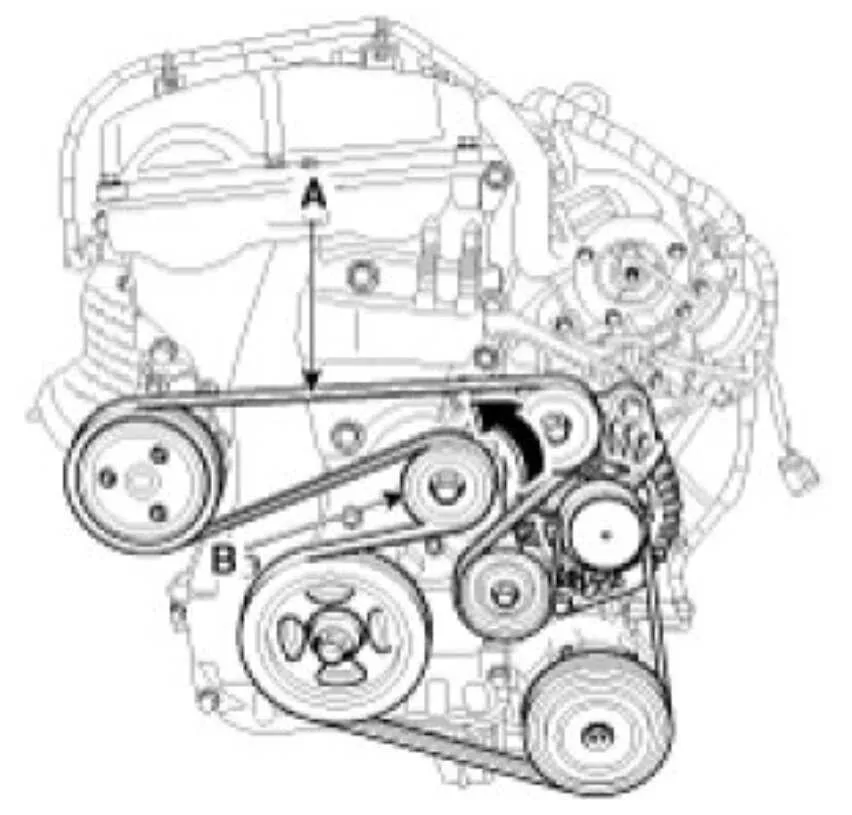
Locate the serpentine belt routing diagram in the engine bay or the owner’s manual before attempting any adjustments. For the 2014 Kia Sorento, the belt drives the alternator, power steering pump, water pump, and air conditioning compressor, making proper alignment critical for smooth operation.
Follow the belt path precisely to avoid misalignment that could cause premature wear or engine noise. The diagram shows the tensioner pulley placement, idler pulleys, and the correct direction around each accessory. Misrouting even a single loop can lead to slipping or failure under load.
Check the tensioner mechanism while inspecting the belt. The automatic tensioner maintains proper pressure, but signs of wear or stiffness indicate it may need replacement alongside the belt. Always rotate the engine by hand to verify alignment before running the motor.
Keep a printed or digital copy of the belt diagram for reference during maintenance. Positioning the belt correctly during installation reduces stress on pulleys and prevents unnecessary engine downtime, ensuring the Sorento operates reliably.
2014 Kia Sorento Belt Diagram Guide
Locate the serpentine belt routing diagram on the driver’s side engine compartment, near the radiator support, before attempting removal. Follow the diagram precisely to avoid misalignment or damage to accessories.
The 2014 Kia Sorento with a 2.4L engine routes the belt as follows:
- Crankshaft pulley at the bottom center
- Alternator at the top right
- Power steering pump to the left of the alternator
- Air conditioning compressor positioned below the alternator
- Tensioner pulley near the center right
For the 3.3L V6 engine, belt routing differs slightly:
- Crankshaft pulley at the bottom center
- Alternator at the top left
- Power steering pump directly above the crankshaft pulley
- Air conditioning compressor on the lower right side
- Idler pulley between the alternator and A/C compressor
- Tensioner pulley on the lower left
Always release tension using a 14mm or 15mm wrench on the tensioner pulley before removing the old belt. Inspect all pulleys for wear or misalignment. Align the new belt according to the diagram, ensuring ribs fit correctly into grooves on each accessory.
Check belt tension manually after installation. It should deflect about half an inch under moderate thumb pressure. Run the engine for one minute, then recheck alignment and tension. Replace any pulley showing wobble, noise, or visible damage to maintain smooth operation.
Keep a printed diagram in the glove box for future reference. This avoids incorrect routing and prolongs the life of the serpentine belt and engine accessories.
Locate and Identify Each Belt on the 2014 Kia Sorento Engine
Begin by opening the hood and positioning yourself in front of the engine. The 2014 Kia Sorento typically has two main belts: the serpentine belt and the timing belt. The serpentine belt runs along the front of the engine, looping around the alternator, power steering pump, water pump, and air conditioning compressor. Look for a single, wide rubber belt with multiple ribs; this is your serpentine belt.
The timing belt is located behind the engine cover on the passenger side. Remove the cover to access it. The timing belt connects the crankshaft to the camshaft, synchronizing engine valve movement. It appears as a narrower rubber belt with teeth, unlike the smooth serpentine belt. Check for printed markings or part numbers on the belt for easier identification.
Trace each belt along its path and compare it with the factory belt routing diagram. The serpentine belt will have a continuous path over multiple pulleys, while the timing belt fits tightly between the camshaft and crankshaft gears. Use a flashlight to inspect hard-to-see areas and confirm which belt is which. Mark the pulleys lightly with chalk if necessary to remember the routing before removal.
Ensure the engine is cool before touching the belts. Press lightly on each belt to check for cracks or fraying. The serpentine belt should have slight tension, whereas the timing belt must remain perfectly aligned. Replace any belt showing wear to prevent engine damage and maintain smooth operation.
Step-by-Step Replacement Process for Serpentine and Timing Belts
Begin by disconnecting the battery to prevent accidental engine starts. Position the vehicle on a level surface and lift it with jack stands for better access to the belts. Remove the engine covers and components obstructing the serpentine belt, including the alternator or power steering brackets if necessary.
Locate the belt tensioner and rotate it using a wrench to release tension. Slide the serpentine belt off the pulleys, noting the routing either through a diagram or by taking a photo. Inspect all pulleys and the tensioner for wear before installing the new belt. Position the new serpentine belt along the correct path and slowly release the tensioner, ensuring the belt seats properly in every pulley groove.
For the timing belt, rotate the crankshaft until the engine marks align at top dead center. Remove the timing cover carefully and loosen the tensioner. Remove the old timing belt, inspecting the water pump, camshaft, and crankshaft seals for leaks or wear. Install the new timing belt, maintaining proper alignment of all timing marks. Adjust the tensioner to apply the correct belt tension and rotate the engine manually at least two full revolutions to confirm alignment.
Reinstall all removed covers, brackets, and the serpentine belt components. Reconnect the battery and start the engine, listening for unusual noises and checking for smooth operation. Verify that all belts run quietly and maintain proper tension during operation.
Troubleshooting Common Belt Wear and Alignment Issues
Inspect the serpentine belt on your 2014 Kia Sorento for cracks, fraying, or glazing every 12,000 miles. Use a flashlight to check the ribbed side for uneven wear patterns that indicate misalignment. Replace any belt showing multiple cracks wider than 1/32 inch or worn ribs.
Check pulley alignment by visually confirming that all pulleys sit in the same plane. Use a straightedge across the front of the pulleys to detect deviations greater than 1/16 inch. Misaligned pulleys can cause squealing noises and accelerate belt deterioration.
Tension should measure between 180 and 250 pounds on the longest span for proper operation. Use a belt tension gauge to verify, or press with your thumb to feel for 1/2 inch deflection under moderate pressure. Over-tightened belts strain bearings, while loose belts slip, reducing accessory performance.
Listen for high-pitched squeaks during startup or rapid acceleration. These often indicate worn tensioners or idler pulleys. Rotate each pulley by hand; rough rotation or noticeable play requires immediate replacement. Ensure tensioners provide consistent pressure throughout the belt path.
Inspect the belt route against the official 2014 Kia Sorento belt diagram. Misrouting, especially around the alternator or A/C compressor, produces irregular wear. Correct routing prevents premature failure and maintains proper accessory function.
Finally, apply a thin layer of silicone spray on pulley surfaces only if recommended in the service manual. Avoid lubricating the belt itself, as oils accelerate cracking. Recheck belt alignment and tension after any replacement to secure smooth operation.