John Deere X320 Deck Belt Diagram and Maintenance Instructions
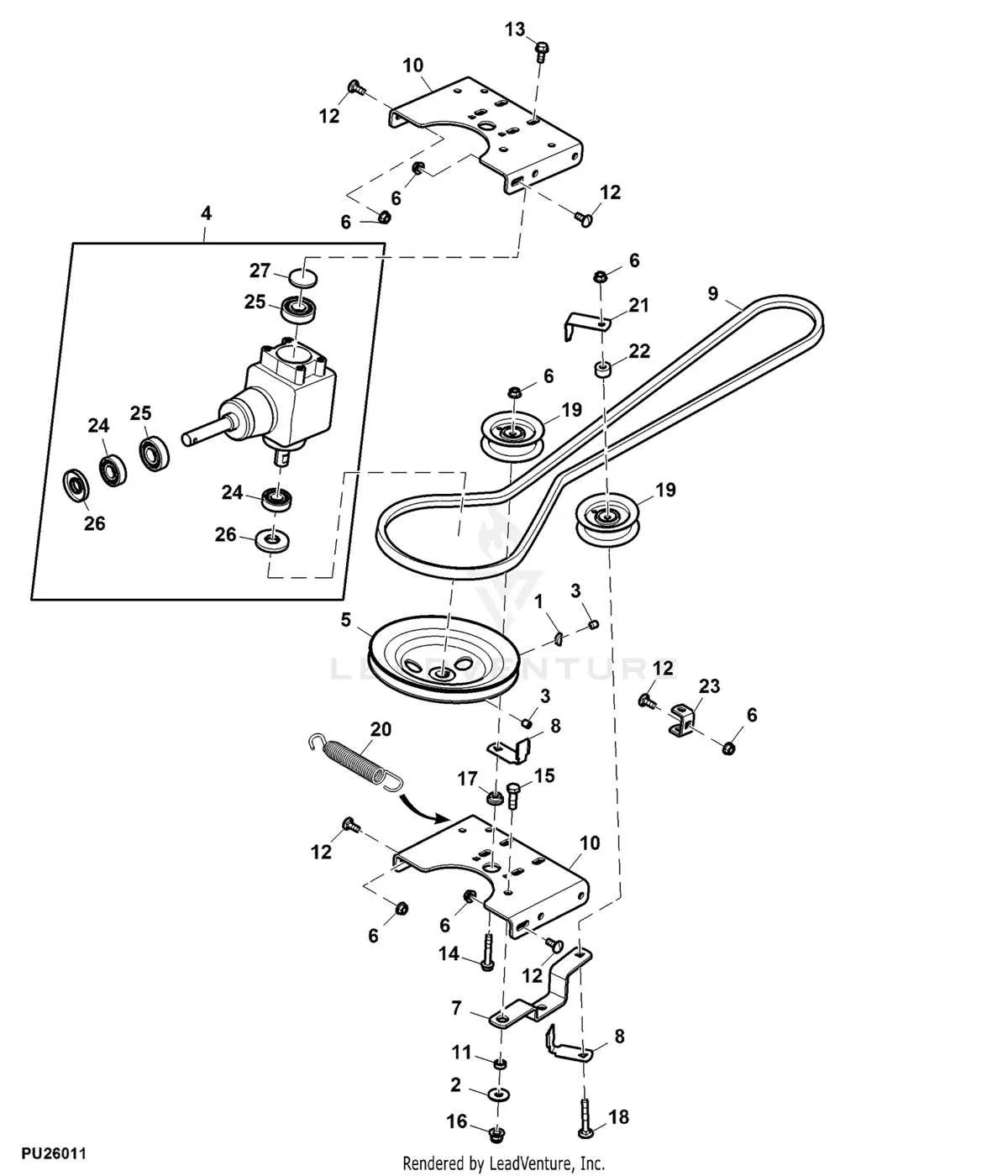
To replace or maintain the deck belt on your John Deere X320, follow this diagram carefully. It will save you time and effort when ensuring the belt is routed correctly, avoiding potential issues with your mower’s performance.
The diagram layout clearly shows the exact path for the deck belt around pulleys, spindles, and the tensioner. By following the diagram step-by-step, you can avoid common mistakes that might lead to improper tension or belt wear.
Start with the tensioner–it’s crucial that the belt is not too tight or too loose. Follow the path shown for the pulleys, noting the direction of rotation. Proper routing ensures the belt moves smoothly, without slipping or getting caught on the mower frame. Adjust the tensioner last to ensure the belt is adequately stretched without excessive slack.
Remember to check the belt’s condition regularly. If there are any signs of fraying or cracking, replace it immediately. A worn-out belt can cause the deck to malfunction or even snap during use. Follow the diagram for a perfect fit and reliable performance.
John Deere X320 Deck Belt Diagram
To replace or troubleshoot the deck belt on your John Deere X320, start by ensuring you have the correct replacement belt for your mower model. The belt routing diagram is located on the deck or in the operator’s manual. Follow this guide carefully to avoid mistakes during installation.
1. Start by raising the mower deck to its highest position. This gives you better access to the deck components and belt area. Once the deck is elevated, ensure the machine is turned off and the key is removed for safety.
2. Locate the idler pulley and tensioner in the belt system. These are key parts that keep the belt tight and working properly. You’ll need to release the tension on the belt by either loosening the idler or moving the tensioner away from the belt path.
3. Remove the old belt by sliding it off the pulleys and components. Be mindful of the direction of the belt as you remove it so you can install the new one correctly.
4. Install the new belt by following the diagram exactly. Ensure the belt is routed through the idler pulleys, around the deck spindles, and over the motor pulley. The belt should be snug but not overly tight to prevent premature wear.
5. Check the alignment of the belt once installed. The belt should follow the routing paths shown in the diagram, with no twisting or misalignment. If the belt seems loose, adjust the tensioner to apply proper tension.
6. Test the mower by starting it and running the deck at a slow speed. Listen for any unusual sounds that might indicate a misalignment or incorrect belt tension. If everything sounds normal, your replacement is complete.
Ensure you follow the diagram and these steps carefully to keep your mower operating smoothly and extend the life of the deck components.
How to Identify the Correct Belt Routing for John Deere X320
Check the belt routing diagram specific to the John Deere X320 to ensure accurate placement. The routing diagram provides a step-by-step guide for proper belt installation, ensuring smooth operation of the mower’s deck system.
Start by locating the two main pulleys: the engine pulley and the deck pulley. The drive belt must loop around these pulleys, maintaining tension for effective power transfer. Pay attention to the direction in which the belt wraps around each pulley to avoid incorrect routing.
The belt should pass through the idler pulleys, which regulate tension. Ensure the belt fits into the grooves of the idler pulleys without excessive slack. The tension is critical, as a loose or tight belt can cause wear or reduce mower performance.
Once the belt is routed correctly, check the belt’s position relative to the deck spindles. It should sit properly in the grooves of the spindles, ensuring the blades rotate smoothly during operation.
If in doubt, consult the mower’s manual or a replacement part guide to cross-reference the belt size and routing specifics for your model. Keep an eye out for wear signs on the belt to determine when it’s time for a replacement.
Step-by-Step Guide to Replacing the Deck Belt on John Deere X320
Start by parking your John Deere X320 on a flat surface and ensuring the engine is off. Set the parking brake for added safety.
Next, raise the mower deck to its highest setting using the deck lift lever. This will give you more room to work with.
Disconnect the battery to avoid any electrical issues during the process.
Locate the deck belt, which runs around the pulleys. You’ll need to remove the mower deck for easier access. Start by removing the four deck mounting bolts using a wrench or socket. Carefully lift the deck off the tractor and set it aside.
With the deck removed, examine the belt routing diagram for the John Deere X320, which can usually be found on the deck itself or in the owner’s manual.
To remove the old belt, start by loosening the tension on the belt using the idler pulley. This is usually done by turning a bolt or loosening a spring that holds the pulley in place. Once the tension is released, slide the belt off the pulleys.
Before installing the new belt, compare it with the old one to ensure it is the correct size and type. Place the new belt around the pulleys, following the routing diagram carefully. Make sure the belt is properly seated in each pulley groove.
After positioning the belt, apply tension by adjusting the idler pulley. This will hold the belt securely in place.
Once the belt is correctly installed, place the mower deck back under the tractor. Align it with the mounting points and reattach the four mounting bolts to secure the deck in place.
Reconnect the battery and lower the deck to its operating position.
Finally, test the mower to ensure the belt is functioning properly. Start the engine and engage the blades to check for smooth operation.
Common Issues with the Deck Belt and How to Fix Them on John Deere X320
If your John Deere X320’s deck belt is slipping or not functioning properly, the most common cause is wear and tear over time. Check for visible signs of damage, such as cracks, fraying, or stretching. If the belt appears damaged, replace it with a new one. Make sure to use a genuine John Deere replacement belt for best results.
If the belt is not tracking correctly, it could be misaligned. Inspect the pulleys to ensure they are clean and free of debris. Misalignment can also be caused by worn bearings or a damaged tensioner. Adjust the tensioner or replace the bearings if necessary to restore proper belt movement.
A loose deck belt can lead to poor performance. Check the tension by pressing on the belt. If it’s too loose, tighten the tensioner according to the specifications in the owner’s manual. Be cautious not to overtighten, as this can cause unnecessary strain on the components.
Noisy operation might be caused by a worn or damaged idler pulley. Inspect the pulley for any signs of wear or rust. If it’s damaged, replace it. A noisy belt can also indicate that the belt is too tight, which may require adjustment to alleviate stress on the system.
If the belt keeps coming off, check the pulleys and belt guides for any irregularities or damage. Sometimes, debris buildup or a worn pulley can cause the belt to slip off its track. Clean the components thoroughly and replace any damaged parts to prevent future issues.