2010 Kia Sedona Serpentine Belt Diagram with Routing Path and Pulley Locations
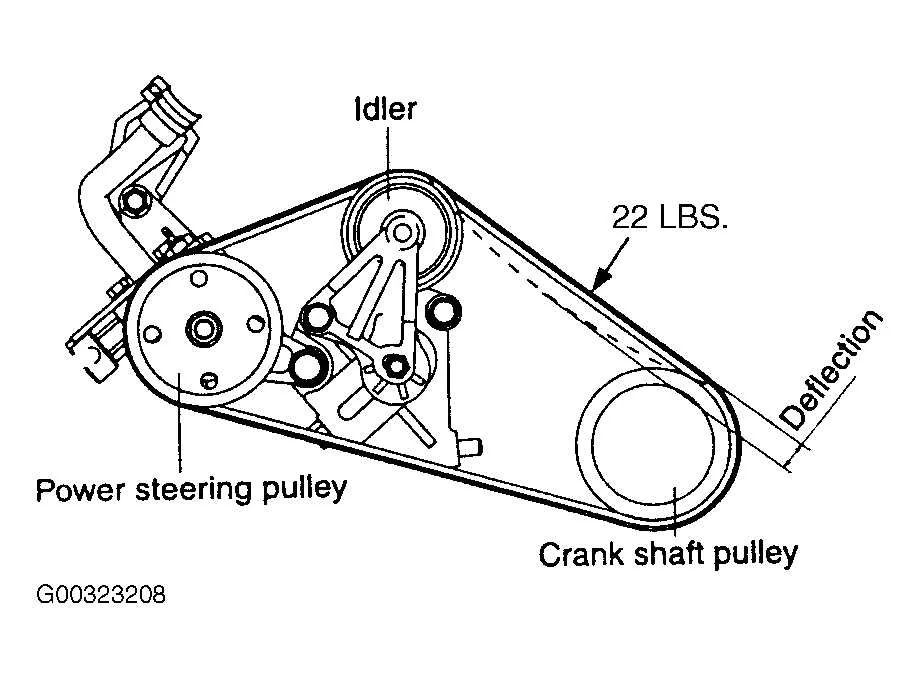
Check the serpentine belt routing before removing the old belt to avoid installation errors. On the 2010 Kia Sedona, the belt weaves through several pulleys, including the crankshaft, alternator, power steering pump, AC compressor, and tensioner. A quick photo or sketch of the layout helps prevent confusion when fitting the new belt.
Inspect the tensioner pulley and idler bearings for wear before reinstalling. If any pulley shows rough rotation or noise, replace it immediately to avoid future slippage or belt misalignment. Always use a 15mm wrench or appropriate tool to release tension and route the new belt smoothly around each pulley.
After fitting the belt, double-check alignment across all grooves. A misaligned belt can cause noise or premature wear. Start the engine briefly and observe the belt’s movement–steady tracking means correct routing. Keep the diagram accessible in your service area for quick reference during future maintenance.
2010 Kia Sedona Serpentine Belt Diagram
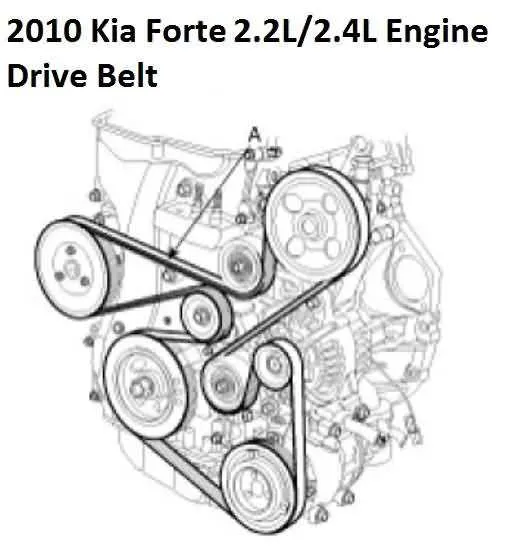
Check the belt routing before removing the old serpentine belt on your 2010 Kia Sedona. The correct path begins at the crankshaft pulley and moves clockwise. Route the belt under the tensioner, over the alternator, around the power steering pump, and across the A/C compressor. Make sure the belt sits properly inside each pulley groove without twists or misalignment.
Use a 17mm wrench or serpentine belt tool to rotate the tensioner clockwise and relieve pressure. Slide the new belt onto the final pulley, then slowly release the tensioner to secure the belt in place. Inspect all pulleys for wear and confirm that the belt tracks smoothly during engine start-up. A quick check of belt tension and alignment ensures quiet operation and prevents premature wear.
If the diagram under the hood label is missing, create a simple sketch before removal. This saves time and avoids routing errors during installation. Always choose an OEM-quality belt sized specifically for the 3.8L V6 engine to maintain proper accessory performance.
How to Locate and Identify the Serpentine Belt Routing on a 2010 Kia Sedona
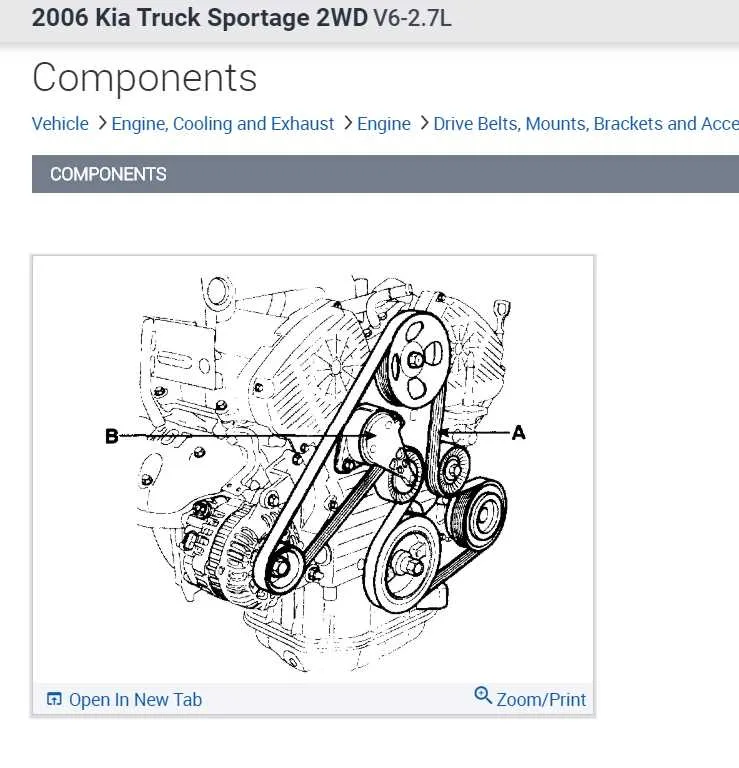
Open the hood and secure it with the support rod before inspecting any components. Focus on the passenger side of the engine bay, where the serpentine belt assembly is mounted on the front of the engine.
Check the radiator support or underside of the hood for a factory routing diagram sticker. If it’s missing, follow these steps to trace the belt path manually:
- Locate the crankshaft pulley at the bottom center – this is the main drive pulley.
- Find the alternator pulley above and slightly to the left of the crankshaft.
- Identify the power steering pump pulley toward the top right.
- Spot the A/C compressor pulley near the lower right section of the engine.
- Locate the idler pulley and the automatic tensioner – these are smaller pulleys that maintain proper tension and routing.
Sketch the belt path before removal. The serpentine belt on a 2010 Kia Sedona wraps around each pulley in a continuous loop, following a specific direction. Pay attention to the ribbed and smooth sides – the ribbed surface must align with ribbed pulleys, while the smooth side contacts flat pulleys.
To release tension, use a wrench on the tensioner bolt and rotate it counterclockwise. This will allow the belt to loosen and be removed easily. When installing a new belt, confirm that it sits evenly within each pulley groove and follows the original routing pattern.
After installation, rotate the engine manually one full turn using a socket on the crankshaft bolt to ensure proper alignment before starting the engine.
Tools and Steps Required to Replace the Serpentine Belt Safely
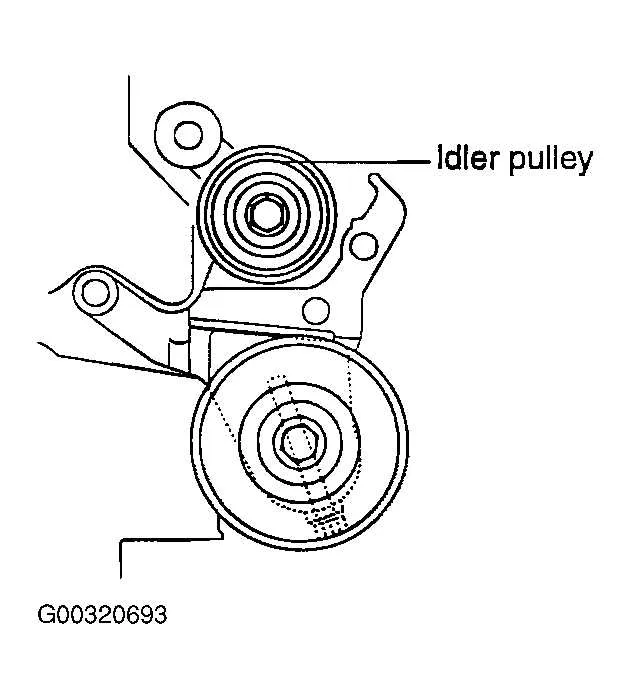
Use a 3/8-inch drive ratchet or a serpentine belt tool to release tension from the belt tensioner. A new belt matching the exact length and rib count of the old one is also necessary. Keep a flashlight nearby for clear visibility around pulleys and routing paths.
Before removing the old belt, draw a quick diagram of its routing or use the factory label under the hood as a guide. This prevents misalignment during installation. Next, insert the ratchet into the tensioner’s square hole, rotate it clockwise, and slide the belt off the nearest pulley while maintaining steady control.
Check all pulleys for dirt, wear, or damage before fitting the new belt. Clean them with a dry cloth if needed. Position the new belt around the pulleys following the correct route, leaving the tensioner pulley for last. Rotate the tensioner again, slip the belt over, and gently release pressure.
After installation, inspect each pulley to confirm proper seating of the belt ribs. Start the engine and observe for smooth, quiet operation. If you hear squealing or see wobbling, shut off the engine immediately and realign the belt. This step ensures the system runs smoothly and extends the lifespan of your 2010 Kia Sedona’s accessory components.
Common Installation Mistakes and How to Verify Correct Belt Alignment
Always seat the serpentine belt fully into each pulley groove before applying tension. Misaligned ribs often occur when the belt rides one rib off on the alternator or power steering pulley, leading to squealing or premature wear. Use a flashlight to inspect every pulley from above and below, confirming that each rib tracks evenly across all contact points.
Do not twist or force the belt into position. A twisted belt creates uneven tension and can slip under load. Instead, rotate the tensioner slowly using the proper tool and slide the belt smoothly onto the final pulley. Avoid prying tools or sharp objects that could damage the belt surface.
After installation, spin the pulleys by hand to check for smooth rotation and proper alignment. Any wobble, vibration, or side tracking indicates a pulley or tensioner issue that needs correction. Confirm the tensioner pointer rests within the correct range–too tight stresses bearings, too loose causes slippage.
Start the engine and observe the belt’s movement for one full rotation. The belt should run true, with no oscillation or lateral drift. If the belt shifts, recheck pulley alignment, especially on the idler and tensioner. Reinspect after a short drive to ensure consistent tracking and tension stability.