John Deere X380 Belt Diagram and Assembly Guide for Maintenance and Repair
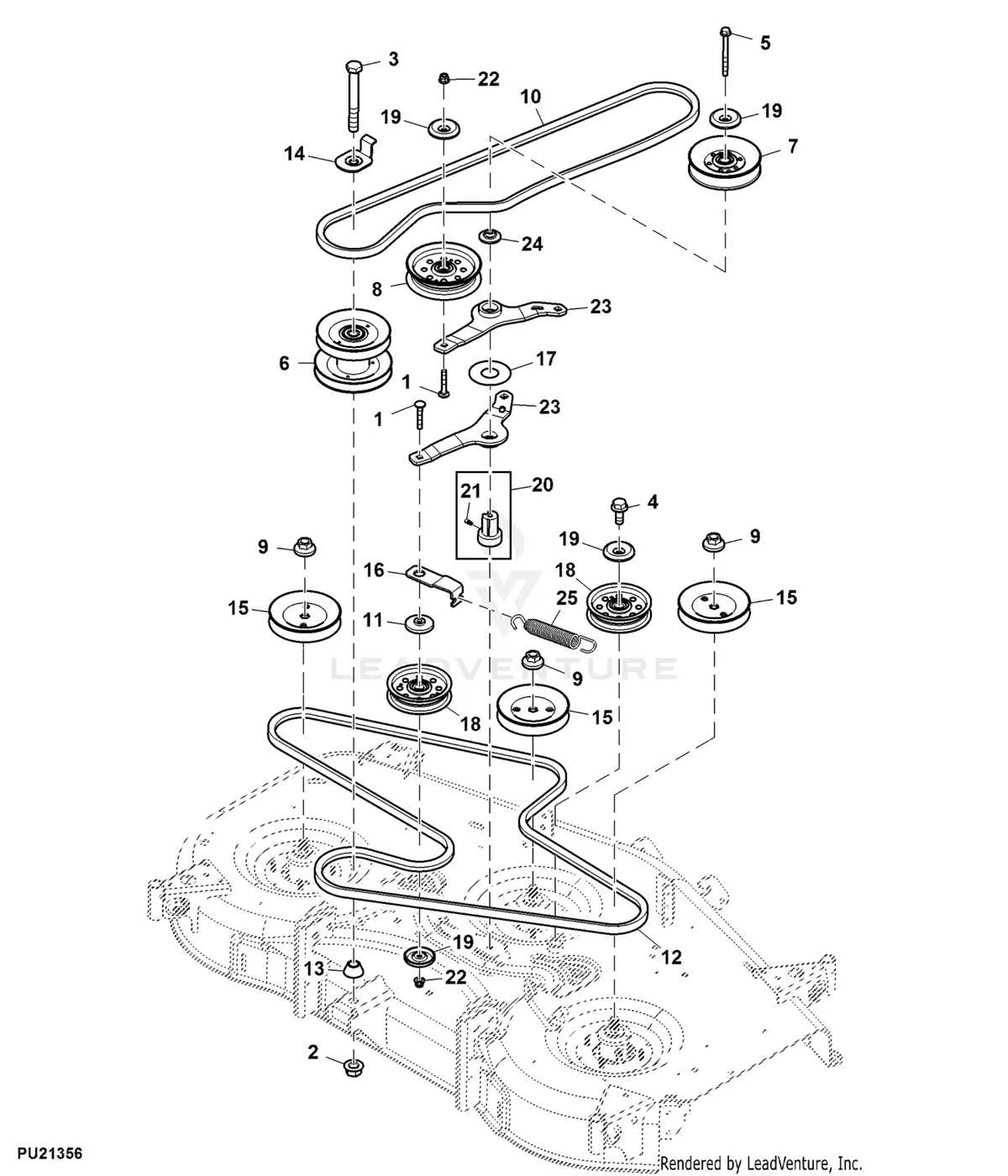
To replace or troubleshoot the belt on your John Deere X380, you need a clear and precise diagram to ensure proper installation. The belt routing diagram serves as a visual guide, showing how each belt should be positioned and routed through pulleys. Without this diagram, incorrect placement can lead to malfunction or damage to the mower’s engine and cutting deck.
Start by locating the drive belt diagram in the owner’s manual or on the mower’s deck. Pay close attention to the routing paths, especially around the engine pulleys and deck spindles. Be sure to check the belt tensioner, which plays a crucial role in maintaining the belt’s proper tension for optimal performance.
The diagram typically includes detailed steps for removing the old belt, installing a new one, and adjusting the tension. Follow each step precisely to avoid skipping any critical part of the process. This ensures that the mower runs smoothly and efficiently, prolonging the life of your equipment.
John Deere X380 Belt Diagram
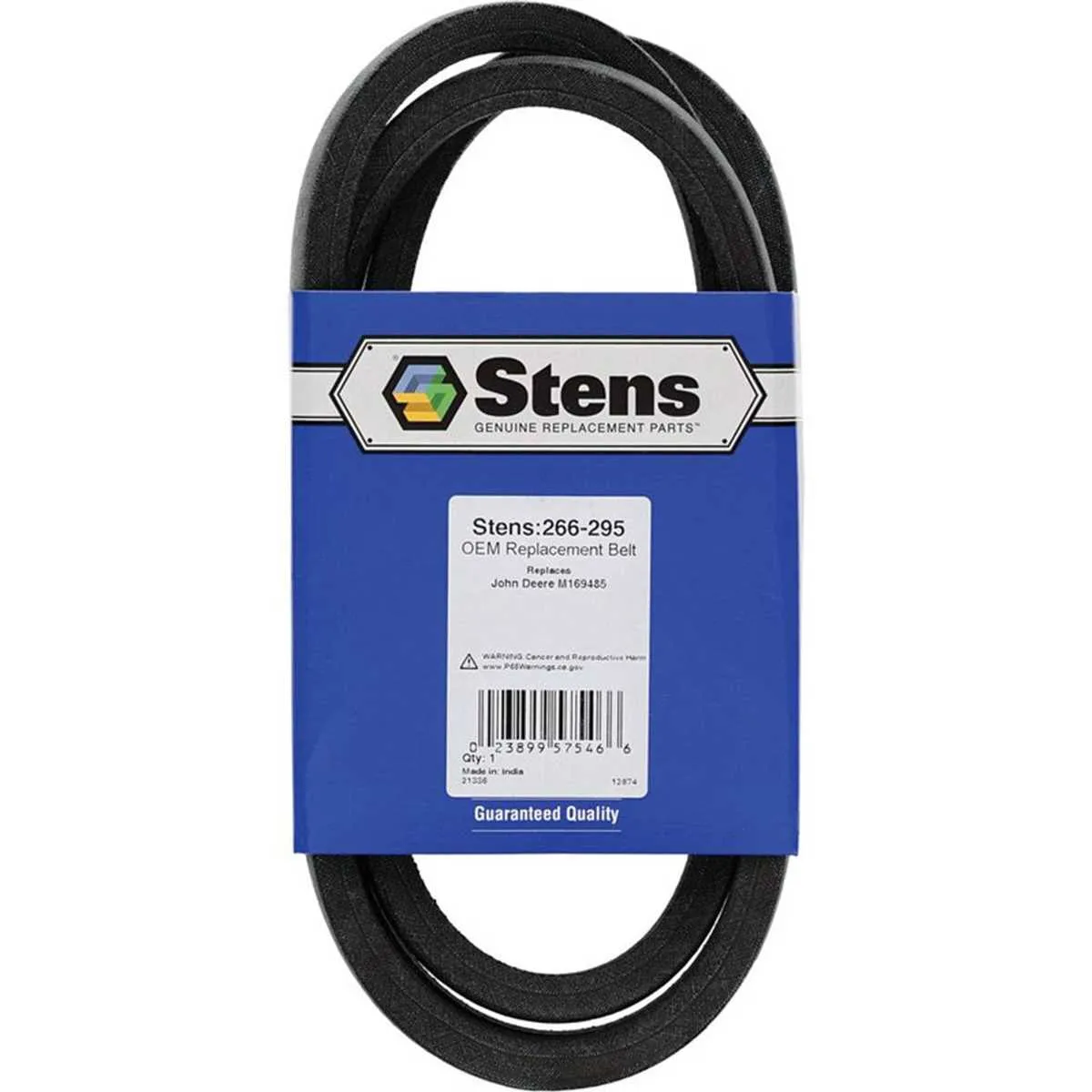
The John Deere X380 lawn tractor requires precise belt routing for optimal performance. The belt connects the engine’s drive system to the mower deck, enabling it to cut grass efficiently. Ensure the belt is properly installed to avoid wear, slipping, or damage to your mower.
To replace the belt or fix any issues, follow the diagram below. First, disengage the PTO and turn off the engine. Then, remove the deck by detaching the pins and lifting it off the tractor. Lay out the belt to observe the path and ensure proper alignment during installation.
Here’s the standard belt routing for the John Deere X380:
- The drive belt runs from the engine’s PTO clutch, across the pulley system, and down to the transmission input shaft.
- The mower deck belt loops around the spindle pulleys and engages with the tensioner, which keeps the belt tight.
- The tensioner pulley, typically located on the left side of the deck, maintains the right tension for the belt to operate smoothly.
When installing, make sure to check for wear on the pulleys and idler arms. A worn pulley can cause uneven belt tension and premature failure. If the belt is frayed or cracked, it’s time for a replacement. After replacing, manually rotate the belt to ensure everything moves freely.
Consult the owner’s manual for specific details on belt size and tension settings. Double-check the routing before reinstalling the deck and re-engaging the PTO.
How to Identify the Correct Belt Path on the John Deere X380
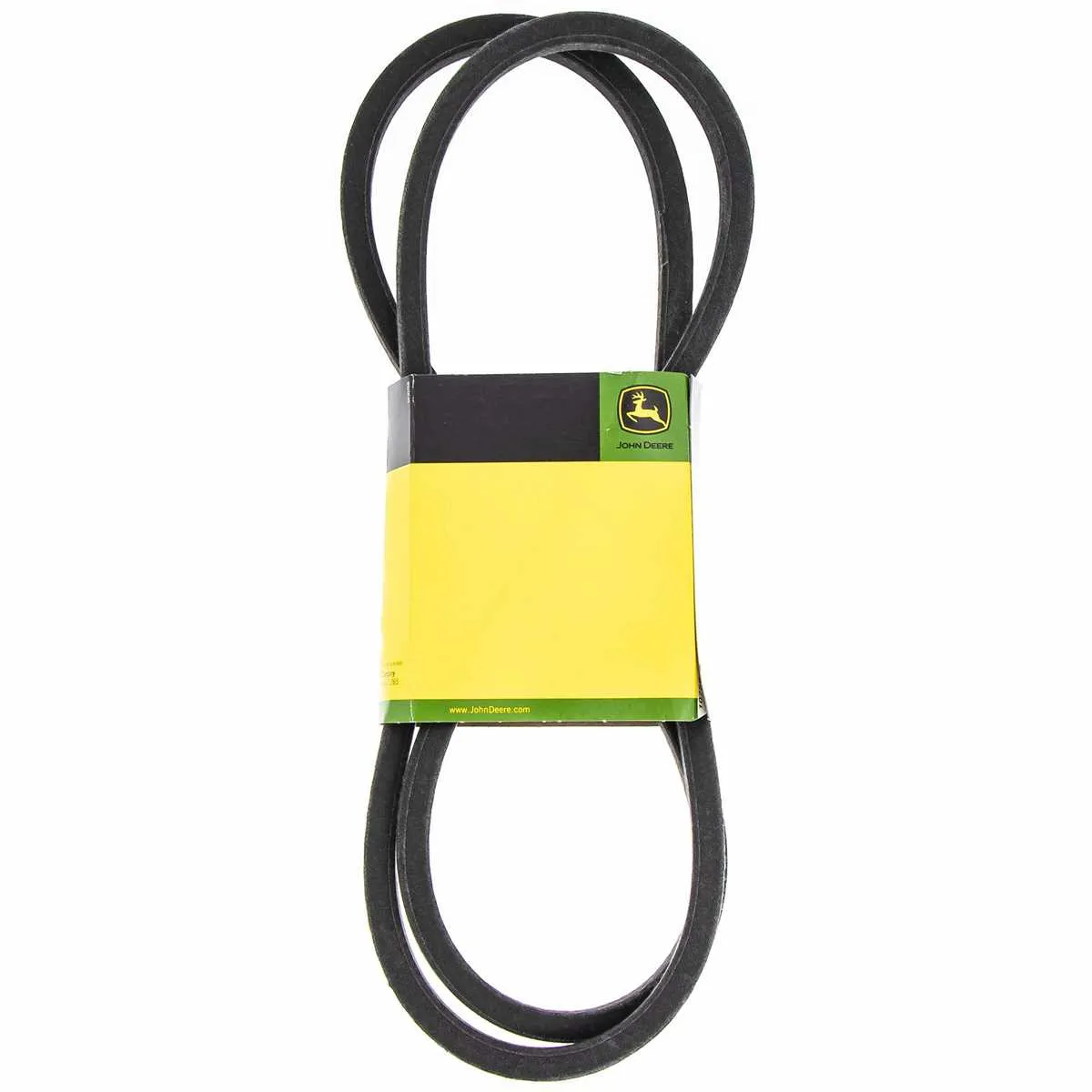
To identify the correct belt path on your John Deere X380, first, consult the operator’s manual. It contains a detailed diagram of the belt routing, which is your reference point for correct installation.
Start by locating the idler pulleys and drive pulleys. The belt should follow a specific path that runs smoothly over each, ensuring proper tension and engagement with the engine and mower deck. Verify the orientation of the belt relative to each pulley. If the belt seems too loose or misaligned, it can cause inefficient operation or premature wear.
Ensure the belt sits properly in the grooves of the pulleys. The grooves prevent the belt from slipping off during operation. Pay special attention to the direction of rotation for each pulley, as this impacts how the belt moves. The front deck idler pulley should allow the belt to move in a consistent direction, not allowing it to slack or twist.
Next, check the routing for any obstructions or debris. Sometimes dirt or grass buildup can affect belt movement, causing it to wear out quicker. Clean around the pulleys regularly to ensure smooth performance.
Finally, after routing the belt, manually turn the pulleys to make sure the belt tracks correctly. If the belt looks misaligned during this test, double-check the routing steps in your manual to correct the path.
Step-by-Step Guide to Replacing the Belt on a John Deere X380
1. Lift the mower deck: Begin by raising the mower deck to its highest position using the deck lift lever. This provides you with enough space to work under the machine.
2. Disconnect the spark plug wire: For safety, disconnect the spark plug wire to prevent any accidental starts while working.
3. Remove the mower deck: Use a wrench to remove the deck from the mower. Typically, you’ll need to disconnect the deck’s suspension arms and remove the belt guard to gain access to the belt system.
4. Locate the old belt: Identify the current belt routing, paying close attention to how it’s threaded around the pulleys. This will help when installing the new belt. If necessary, refer to the belt diagram for the X380 model.
5. Remove the old belt: Loosen any tension on the belt by removing the tension spring and any pulleys that might be blocking the belt. Carefully slide the old belt off the pulleys and discard it.
6. Install the new belt: Begin by threading the new belt through the appropriate pulleys. Be sure to follow the original belt routing from the diagram. Ensure that the belt fits properly on each pulley and is seated correctly.
7. Reattach the tension spring: Once the belt is in place, reattach the tension spring to apply the necessary tension to the new belt. Make sure the spring is secure and the belt has the correct amount of slack.
8. Reinstall the mower deck: Place the mower deck back onto the tractor, reconnect the suspension arms, and ensure everything is tightened properly.
9. Test the mower: Reconnect the spark plug wire and test the mower to make sure the belt is functioning correctly. Listen for any unusual noises, and double-check the belt’s tension after running the mower for a short time.
With these steps completed, your John Deere X380 should be ready to go with a fresh belt. Regular maintenance can extend the life of your equipment, so consider inspecting the belt periodically for wear.
Common Belt Issues on the John Deere X380 and How to Fix Them
If your John Deere X380 is showing signs of poor belt performance, you may be dealing with common belt issues that are easy to identify and fix.
- Slipping Belt: This is one of the most frequent problems. It can occur due to worn-out or loose belts. A slipping belt reduces the mower’s efficiency and can cause excessive wear on the engine.
- How to Fix: Check the belt tension and adjust it as necessary. The belt should have some slack, but not be too loose. If it seems overly stretched or cracked, it’s time to replace it.
- Belt Wear and Tear: Belts wear out over time, especially with frequent use. Cracks, fraying, or missing chunks are clear signs of damage.
- How to Fix: Inspect the belt thoroughly for signs of damage. Replace any belt that shows visible wear to avoid it snapping during operation.
- Belt Alignment Problems: Improper alignment can lead to uneven wear and premature damage. The belt might slip off its pulleys if not aligned properly.
- How to Fix: Inspect the pulleys and ensure they are aligned correctly. Tighten any loose bolts or adjust the position of the components. Realign the belt and make sure it sits properly on each pulley.
- Belt Misrouting: A belt routed incorrectly can cause inefficient operation and even breakage.
- How to Fix: Always refer to the John Deere X380 belt diagram to ensure the belt is routed in the correct path. Following the manufacturer’s guidelines will prevent unnecessary wear.
- Belt Pulley Issues: Damaged or worn pulleys can cause the belt to function improperly. A rough, uneven, or misaligned pulley will wear down the belt quicker.
- How to Fix: Inspect the pulleys for any signs of damage or wear. Replace damaged pulleys and clean any debris that might affect their smooth rotation.
- Excessive Heat: Overheating can soften the rubber in the belt, causing it to stretch and wear out faster.
- How to Fix: Make sure the engine is running within the proper temperature range. Clean any debris from the engine that might cause it to overheat. If overheating persists, consult a professional mechanic.
By staying on top of these common issues and addressing them quickly, you can maintain the performance and longevity of your John Deere X380’s belt system. Regular inspections and maintenance will keep your mower running smoothly throughout the season.