Detailed Diagram and Layout of LA130 Deck Belt for Accurate Installation and Maintenance
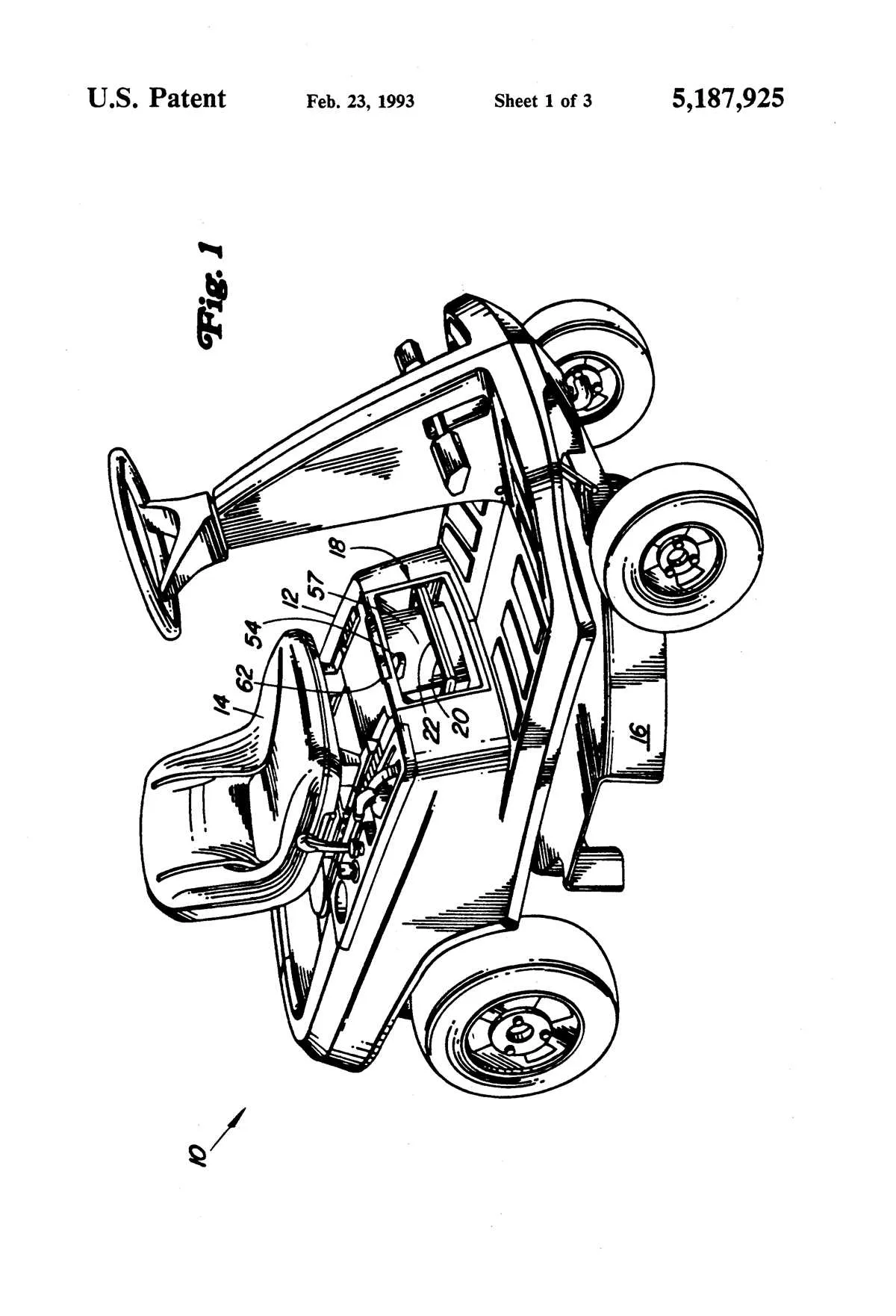
Check the belt routing before replacing or adjusting the deck belt to prevent misalignment that can damage the mower. The La130 model typically uses a single V-belt connecting the engine pulley to the deck spindles. Identifying the correct path ensures smooth operation and consistent cutting performance.
Follow the diagram carefully to position the belt around the engine pulley, idler pulleys, and deck spindles. Start by looping the belt around the engine pulley, then route it through the tensioner or idler pulleys, ensuring proper contact with each spindle pulley. Misrouting can lead to slipping or premature wear.
Inspect the pulleys and tensioner before installing the belt. Remove debris, check for wobbling, and verify that all pulleys spin freely. A properly aligned belt on a clean, well-lubricated deck reduces vibration, maintains cutting consistency, and extends the lifespan of both the belt and the mower components.
Replace worn belts promptly to maintain optimal performance. Compare the old belt with the new one to confirm length and width match. Use the diagram as a reference during installation to avoid unnecessary adjustments and ensure safe operation.
La130 Deck Belt Diagram
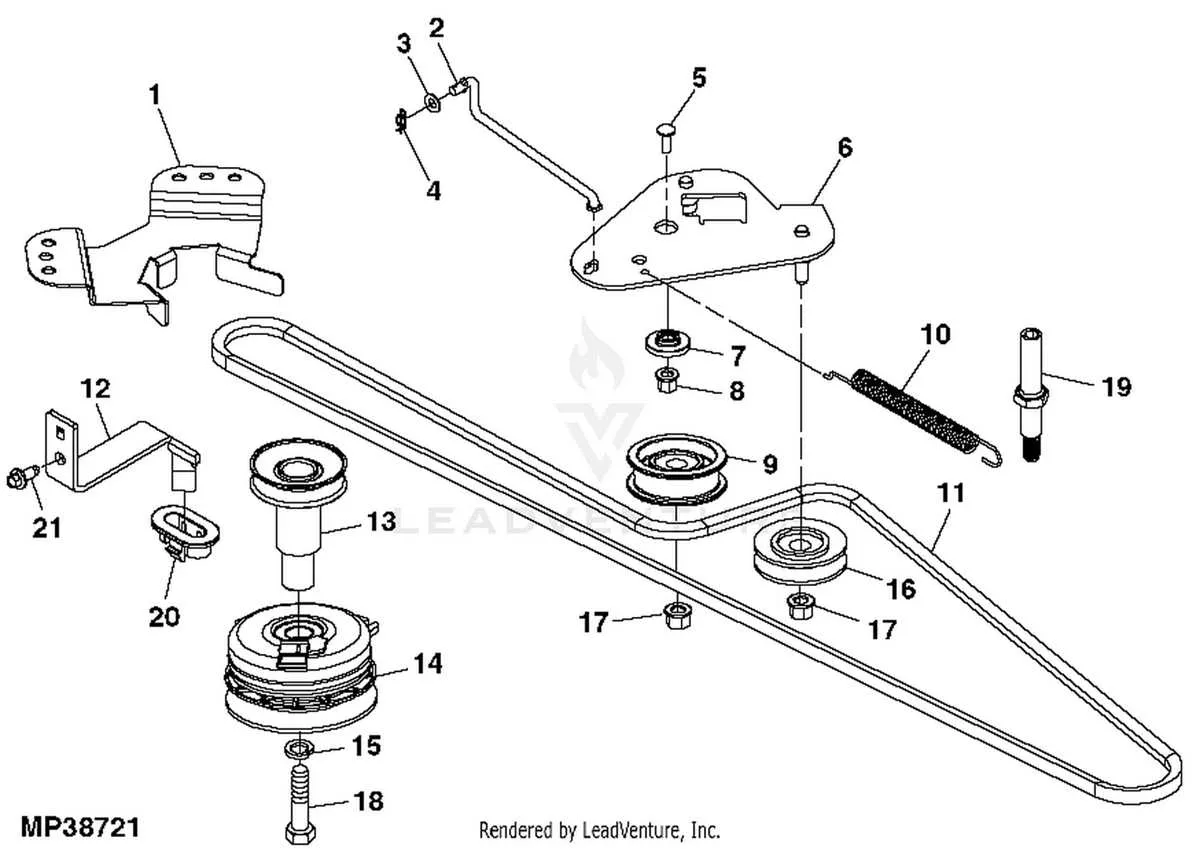
Locate the mower deck and identify the spindle pulleys, idler pulleys, and drive pulley. Place the belt over the engine pulley first, then route it around the idler pulley closest to the deck’s front. Wrap the belt around each spindle pulley in sequence, following the tension path shown in the manufacturer’s diagram. Ensure the belt sits firmly in the pulley grooves without twisting. Verify the routing by manually rotating the pulleys to confirm smooth movement and correct tension. Adjust the idler pulley if the belt slips or makes noise, keeping the spring loaded properly. Check for wear, cracks, or fraying along the belt edges and replace immediately if any damage is visible. Store the belt away from heat and chemicals to prevent premature deterioration.
Identifying Belt Routing Paths on La130 Mower Deck
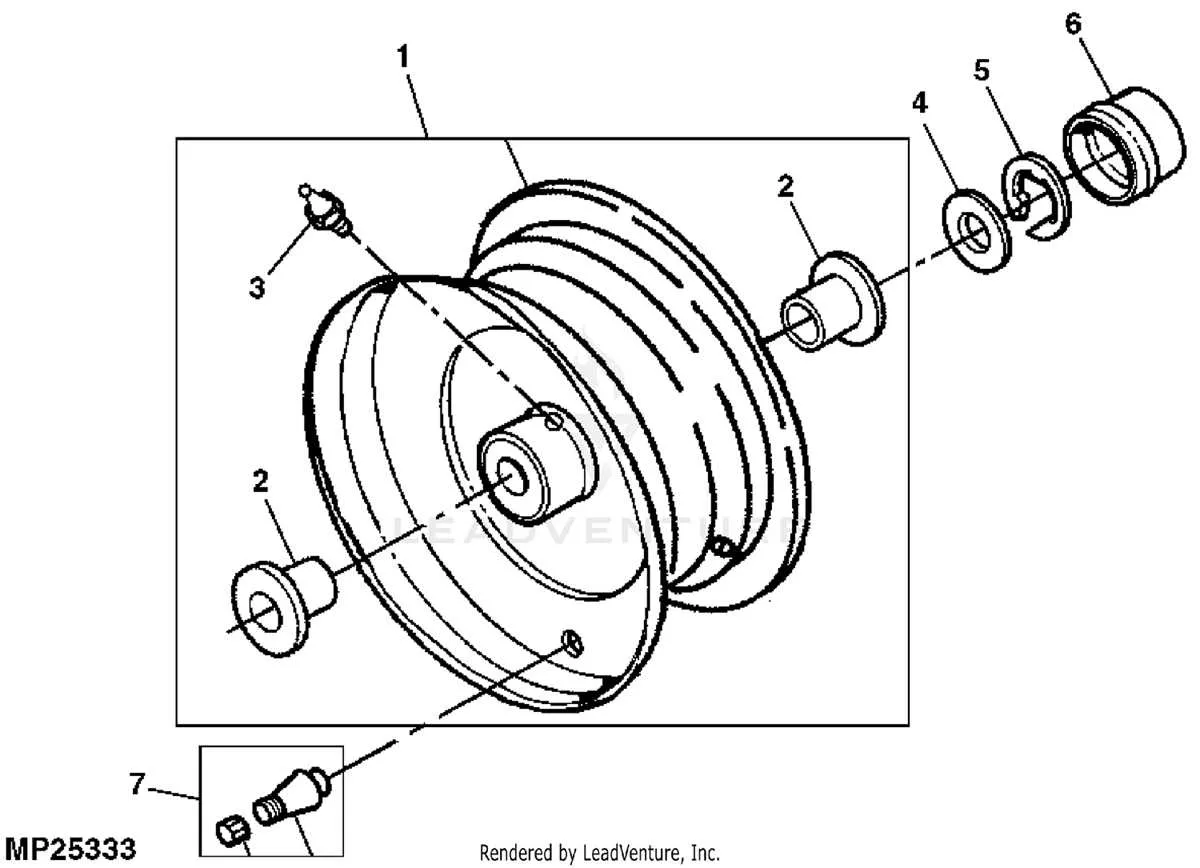
Check the belt tensioner first to determine the correct entry point for the belt. Position the belt over the drive pulley attached to the engine shaft, ensuring it seats properly in the pulley grooves. Follow the belt path along the idler pulleys, maintaining smooth contact without twisting.
Use the following steps for accurate routing:
- Loop the belt around the main deck pulleys, keeping the ribbed side aligned with the pulleys’ grooves.
- Route the belt under the tensioner arm, applying slight pressure to guide it into position.
- Pass the belt around the idler pulleys, checking each pulley spins freely without obstruction.
- Ensure the belt wraps around the blade spindles in the proper direction indicated by the deck diagram.
- Verify the belt contacts all pulleys fully before engaging the deck lever.
Use the deck’s printed routing diagram as a visual reference. Confirm the belt maintains consistent alignment and tension throughout the path to prevent slipping or premature wear. Inspect the pulleys for debris or damage while routing the belt, as any obstruction can alter the belt’s path and affect mower performance.
Regularly follow this sequence whenever reinstalling or replacing the belt. Keeping the belt properly seated along the specified routing path ensures smooth rotation of the mower blades and reduces strain on the drive system.
Replacing a Worn or Broken La130 Deck Belt Step by Step
Disconnect the spark plug to prevent accidental startup. Remove the mower deck by loosening the deck hangers and lowering the deck to a flat surface. Take note of the belt routing using the La130 deck belt diagram for reference.
Release belt tension by sliding the idler pulley away from the belt. Carefully lift the old belt off the pulleys, noting the orientation and path around each pulley. Inspect all pulleys for wear or damage, and replace any that show cracks, missing teeth, or excessive wobble.
Position the new belt under the deck, threading it through the same pulleys as the original. Ensure it sits correctly on the spindle pulleys and fits snugly against the idler pulley. Loop the belt over the engine pulley last, keeping it aligned with all guides and not twisted.
Reapply tension by moving the idler pulley back into position, ensuring the belt is taut but not overstretched. Rotate the pulleys by hand to confirm smooth movement and proper tracking. Make small adjustments if the belt shifts off-center.
Reinstall the mower deck by lifting it back into position and securing the deck hangers. Reconnect the spark plug and test the mower at low throttle, observing the belt for any slipping or abnormal noise. Adjust idler tension slightly if the belt slips during the test run.
Proper alignment and tension will extend the life of the new belt and maintain optimal cutting performance. Inspect the belt periodically and replace it immediately if fraying, cracking, or stretching appears.
Troubleshooting Slipping or Misaligned Deck Belts on La130
Check belt tension immediately if the deck belt slips during operation. Loosen the idler pulley slightly, then adjust the belt until it sits firmly in the pulleys without excessive force. A properly tensioned belt should deflect about ½ inch under moderate thumb pressure.
Inspect the belt for cracks, fraying, or glazing on the surface. Replace any belt showing wear signs, as a worn belt often causes misalignment and slippage. Always use a belt matching the exact part number specified for the La130 model to ensure correct fit.
Examine the pulleys for debris, bent edges, or damage. Clean pulleys with a dry cloth and ensure they rotate smoothly on their shafts. Bent or damaged pulleys force the belt off track and accelerate wear.
Check the alignment of the deck and engine pulleys. Use a straight edge or laser guide across pulley faces; the belt should sit parallel without twisting. Adjust the deck mounting brackets or idler arm if misalignment exceeds ⅛ inch across the width.
Lubricate pivot points on the idler arm with light machine oil. Stiff or corroded pivots prevent proper belt tracking, causing slippage under load. Avoid oil contact with the belt itself, as this reduces grip.
Run the mower at low speed after adjustments and observe the belt. Listen for squealing or chattering noises, which indicate tension issues or pulley misalignment. Make incremental tension corrections until the belt runs smoothly without lateral movement.