2007 Ford Taurus serpentine belt diagram with routing details and pulley placement guide
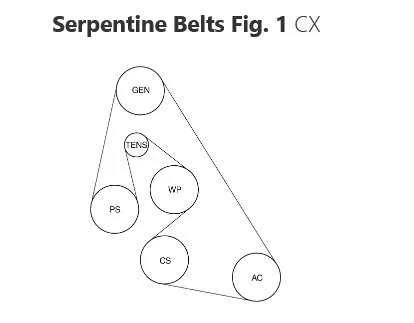
Replace the serpentine belt on a 2007 Ford Taurus only after checking its routing and confirming the correct tension path. The diagram helps ensure the belt sits properly on each pulley, preventing slippage and premature wear.
The 2007 Taurus typically uses a single serpentine belt to drive the alternator, power steering pump, water pump, and air conditioning compressor. A spring-loaded tensioner keeps the belt tight, and the diagram shows exactly how the belt weaves through these components.
Before installing the new belt, inspect the pulleys for debris or uneven wear. Align the belt according to the diagram, making sure the ribs match the grooves on every pulley. Once the belt is in place, release the tensioner slowly to lock the belt under the right pressure.
Following the diagram not only ensures proper operation but also saves time during installation. A correctly routed belt keeps all accessories running smoothly and protects the engine from overheating or loss of power steering assistance.
2007 Ford Taurus Serpentine Belt Diagram
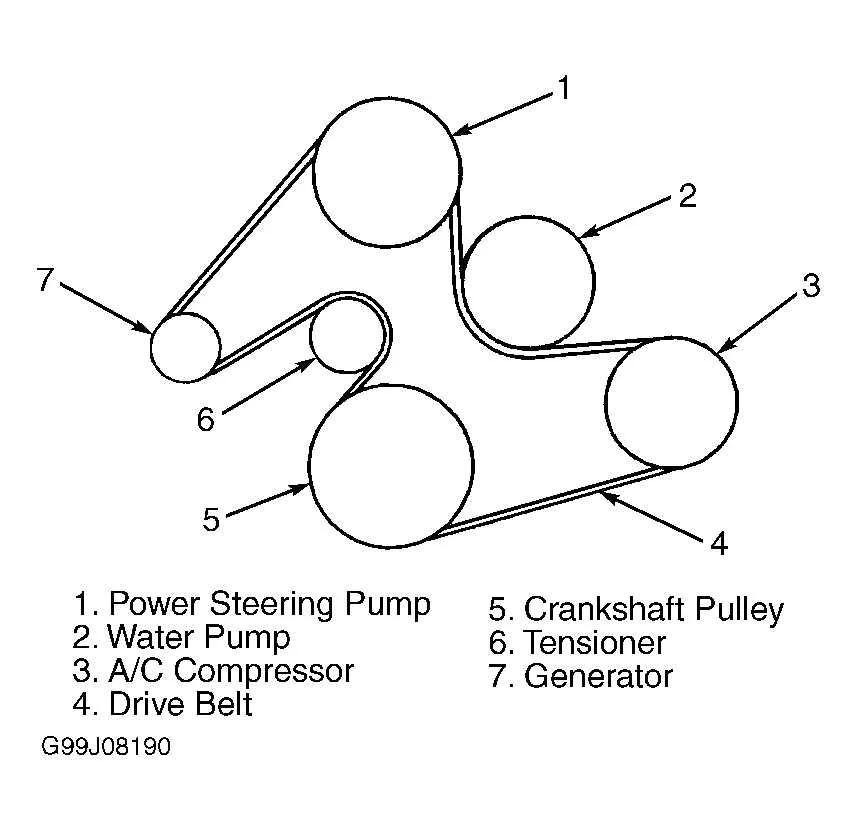
Check the routing sticker under the hood first. If it is missing, follow this layout for the 3.0L V6 engine: the belt moves from the crankshaft pulley to the power steering pump, then wraps around the alternator, continues to the idlers, and finally connects to the air conditioning compressor and tensioner.
Always release the tensioner with a breaker bar before sliding the belt off. When installing, place the belt around all pulleys except the alternator last, then rotate the tensioner to slip it over. Ensure the ribs sit perfectly inside each pulley groove to avoid squealing or premature wear.
Tip: Keep a notepad sketch of the routing before removal, especially if replacing the tensioner or idler at the same time. A correctly routed serpentine belt guarantees proper operation of the alternator, water pump, and power steering system.
Location of the Serpentine Belt Routing Diagram Under the Hood
Check the radiator support area on the 2007 Ford Taurus first. The factory usually places a white or silver sticker there with the complete serpentine belt routing diagram. Look directly above the grille opening or slightly to the passenger side of the upper radiator support for a rectangular decal.
If the sticker is missing, inspect the underside of the hood near the latch. Some vehicles carry the diagram in this position for quick reference during belt replacement. Move along the hood’s inner surface, focusing on flat sections near the center or the driver’s side.
As an alternative, glance at the strut tower or the fan shroud. These locations may also carry a smaller diagram sticker. If you cannot locate it anywhere under the hood, check the owner’s manual diagrams to confirm the routing before installing a new belt.
Step-by-Step Belt Routing for the 2007 Ford Taurus Engine
Check the tensioner first and make sure it moves smoothly. Use a 3/8-inch drive ratchet to rotate it and release belt tension.
- Position the belt over the crankshaft pulley at the bottom of the engine.
- Loop it around the A/C compressor pulley on the lower passenger side.
- Route the belt upward around the power steering pump pulley on the upper passenger side.
- Guide it across the alternator pulley near the top center.
- Move it downward around the idler pulley next to the alternator.
- Run it over the water pump pulley, which is driven in the opposite direction.
- Finish by pulling the belt across the tensioner pulley. Rotate the tensioner again to slip the belt into place.
Check alignment on every pulley before releasing the tensioner completely. A single rib out of place can shred the belt quickly.
Spin the pulleys by hand and confirm smooth movement. Once everything lines up, start the engine and let it idle while you observe the belt tracking.
Common Issues When Replacing the Serpentine Belt and How to Avoid Them
Check the belt routing carefully before removal, since installing the new belt incorrectly can lead to misaligned pulleys and poor accessory performance. Take a clear photo of the original layout or keep a printed diagram for quick reference.
Inspect the tensioner before installing the new belt. A weak spring or a seized pulley often causes squealing or premature belt wear. Replace the tensioner if it does not rotate smoothly or lacks proper resistance.
Clean the pulley grooves to remove dirt or rubber residue. Debris trapped in the grooves prevents the belt from seating correctly and may cause slipping under load.
Avoid using a belt that feels too loose or requires excessive force to install. Both issues suggest an incorrect belt size. Verify the part number against the vehicle specifications to ensure proper fit.
After installation, start the engine and observe the belt path closely. Any wobbling or noise points to misalignment, which usually comes from a bent pulley bracket or uneven wear. Correct the alignment immediately to prevent damage.