Craftsman T310 Belt Diagram Detailed Guide for Identification and Replacement
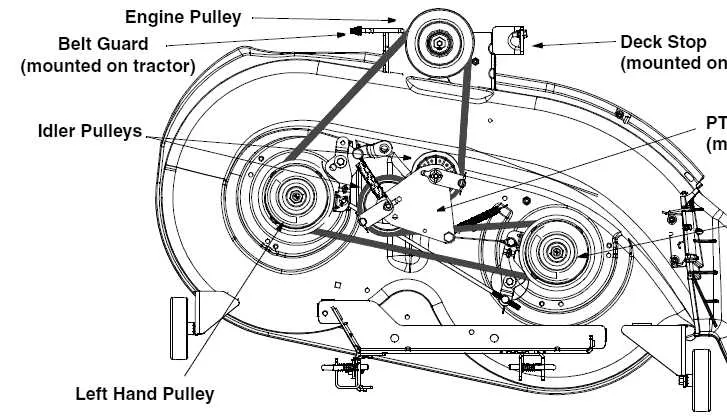
Consult the Craftsman T310 belt diagram before attempting any maintenance to ensure each belt is routed correctly. Misaligned belts can cause uneven wear on pulleys and reduce mower performance.
Identify each drive belt individually by matching its length and path to the diagram. The T310 uses separate belts for the mower deck and the transmission, so labeling them during removal helps prevent mistakes during reinstallation.
Inspect belt condition regularly by checking for cracks, fraying, or glazing. Replacing worn belts on schedule prevents slippage and maintains smooth operation of both the blades and the drive system.
Follow the correct tensioning procedure for each belt. The deck belt requires specific idler adjustments, while the transmission belt relies on proper alignment of pulleys to avoid unnecessary strain or premature failure.
Use the diagram as a reference whenever performing adjustments or part replacements. Having a printed or digital copy on hand reduces errors and ensures each belt returns to its exact routing, preserving mower efficiency and extending component life.
Comprehensive Guide to Craftsman T310 Belt Diagram for Maintenance and Replacement
Locate the belt routing diagram near the mower deck or inside the operator’s manual before starting any maintenance. Correct routing prevents slippage and uneven wear.
Inspect the drive belt for cracks, fraying, or glazing before removal. A worn belt reduces cutting efficiency and may damage pulleys.
- Removing the Belt:
- Engage the parking brake and disconnect the spark plug for safety.
- Raise the mower deck to its highest position.
- Release tension on the idler pulley using a wrench or ratchet.
- Carefully slide the belt off the pulleys following the diagram’s path in reverse.
- Inspecting Pulleys and Idlers:
- Check pulleys for wear, rust, or wobbling.
- Ensure the idler springs maintain proper tension.
- Replace damaged or bent pulleys to avoid belt misalignment.
- Installing the New Belt:
- Follow the diagram to route the belt around engine, deck, and idler pulleys.
- Keep the belt aligned in pulley grooves to prevent derailment.
- Apply tension on the idler pulley gradually to seat the belt properly.
- Rotate the pulleys by hand to confirm smooth movement before starting the engine.
Regularly clean the deck and pulleys to remove grass buildup. Lubricate idler pivot points lightly to maintain smooth operation.
Replace the belt immediately if you notice unusual noise, vibration, or skipping during operation. Following the diagram precisely ensures the mower performs consistently and extends the belt’s lifespan.
Locating and Identifying All Belts on the Craftsman T310
Locate the main drive belt by removing the mower deck and inspecting the pulleys connected to the engine and transmission. The drive belt runs from the engine crankshaft pulley to the transaxle, looping around an idler pulley to maintain tension.
The mower deck blades each use a separate deck belt. Identify these by tracing the belt path from the engine pulley down to the deck spindles. Ensure the belt sits correctly on the deck pulleys and idlers to prevent slipping or premature wear.
Check the tensioner belt next, which engages the blade clutch. It runs over a spring-loaded idler located near the engine. Verify the belt is aligned with the tensioner pulley and moves smoothly when the clutch is engaged or released.
Inspect any auxiliary belts, including those for attachments or PTO-driven accessories. These belts are smaller and often located near the rear of the mower or under protective covers. Confirm the part numbers printed on each belt for accurate identification.
Mark each belt and pulley location before removal to ensure proper reinstallation. Use the diagram in the owner’s manual as a reference, matching belt widths and lengths precisely. Clean pulleys of debris before fitting new belts to avoid misalignment or accelerated wear.
Step-by-Step Belt Removal and Installation Process
Begin by ensuring the mower is powered off and the spark plug is disconnected. This prevents accidental engine start and provides a safe working environment.
Locate the drive belt under the mower deck and note its routing around pulleys and the tensioner. Taking a photo can help during reinstallation.
Release the tensioner by pulling it away from the belt. On the Craftsman T310, this typically involves rotating the spring-loaded arm counterclockwise to relieve tension.
Slide the belt off the pulleys carefully, starting with the smaller idler pulley. Avoid forcing the belt, as this may damage the pulleys or the belt itself.
Inspect pulleys and the tensioner for wear or debris. Clean any dirt or grass buildup before installing the new belt.
Position the new belt according to the diagram. Wrap it around the engine pulley first, then route it around the deck and idler pulleys in the correct order.
Re-engage the tensioner by allowing the spring-loaded arm to press against the belt, ensuring proper tension. The belt should sit snugly without excessive slack.
Manually rotate the pulleys to verify smooth movement and proper alignment. Check that the belt tracks correctly in all pulley grooves.
Reconnect the spark plug and test the mower at low speed. Listen for unusual noises and visually confirm the belt runs without slipping or misalignment.
Troubleshooting Common Belt Wear and Misalignment Issues
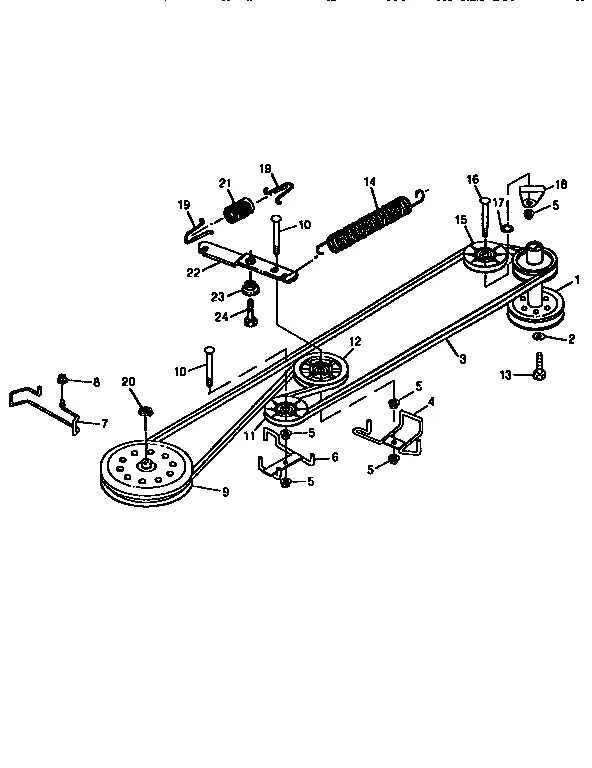
Inspect the Craftsman T310 belts for visible fraying, cracking, or glazing. Frayed edges indicate excessive lateral movement or misalignment, while glazing suggests slipping under load.
Check pulley alignment using a straightedge or laser guide. Misaligned pulleys cause uneven wear and premature belt failure. Adjust the motor mount or idler positions to ensure the belt tracks centrally on each pulley.
Examine tension with a belt tension gauge. Under-tensioned belts slip and generate heat, leading to glazing, while over-tensioned belts stress bearings and accelerate edge wear. Adjust tension to the manufacturer’s recommended specification, usually measured in deflection per inch of belt span.
Look for contamination from oil, grease, or debris on the belt or pulleys. Clean both surfaces with a cloth and mild detergent; avoid harsh solvents that degrade rubber. Contaminated belts lose grip and wear unevenly.
Inspect idlers and pulleys for wear or damage. Worn grooves or bent pulleys can force the belt off-track. Replace defective components promptly to prevent repeated failures.
Rotate the belts periodically if the design allows, promoting even wear across the entire surface. Regular inspection after 25–50 hours of operation helps detect issues before significant damage occurs.
Listen for unusual noises, such as squealing or chirping, during operation. These often indicate slipping or misalignment. Adjust tension and alignment immediately to prevent further deterioration.