Honda Accord Serpentine Belt Diagram and Engine Belt Routing Guide
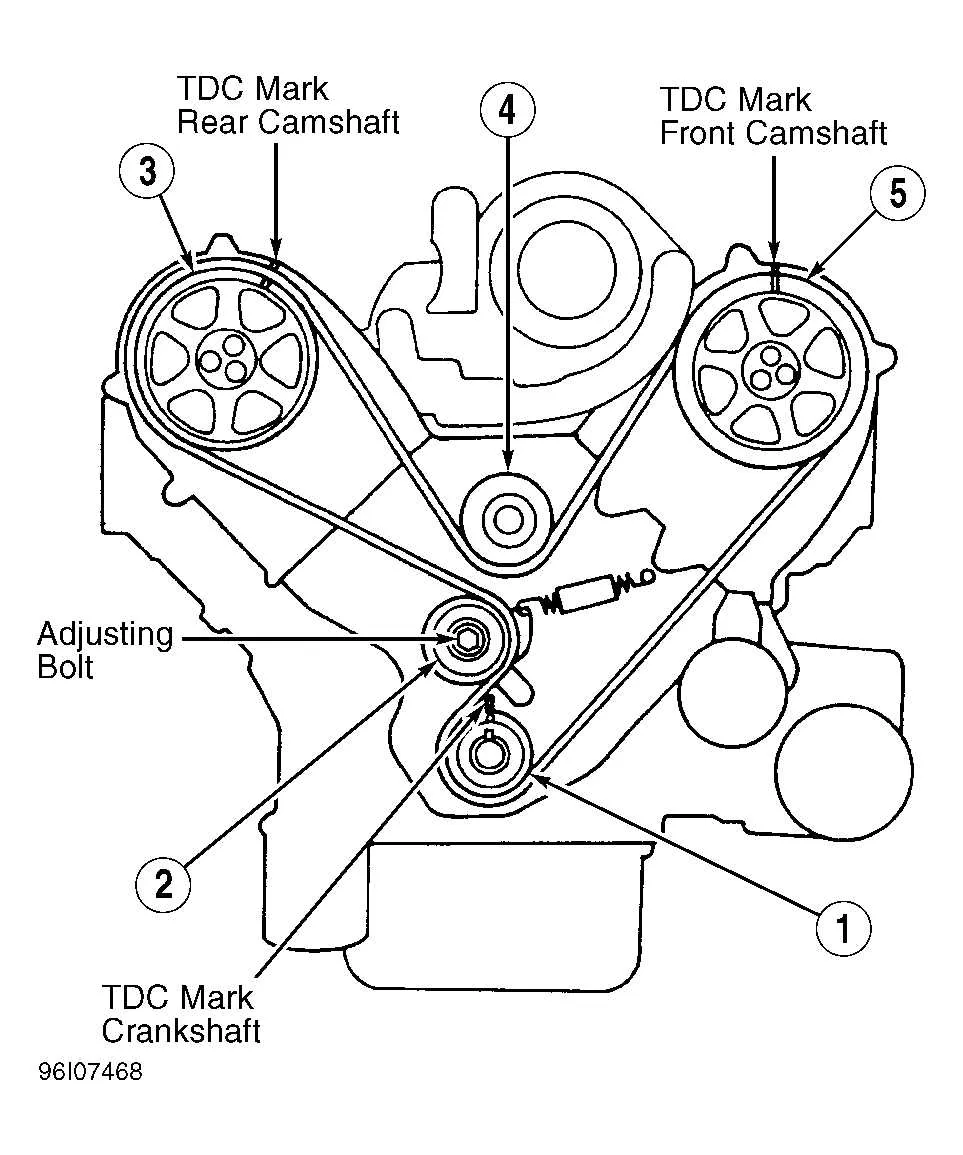
Consult the belt diagram for your Honda Accord to ensure accurate installation and avoid costly errors. This diagram provides the correct routing for the serpentine, timing, and accessory belts in your engine. Each belt plays a specific role in maintaining smooth operation, so getting the installation right is crucial.
Before starting, identify your model and engine type. Different years and configurations may have slight variations in belt routing. After finding the diagram, check the condition of your belts and associated components–pulleys, tensioners, and idlers. If any of these are worn, replace them to prevent issues later.
Once you’ve installed the belts according to the diagram, double-check the tension. A belt that is too tight or too loose can cause damage or poor engine performance. Ensure all components are aligned properly, and listen for any unusual noises after starting the engine to confirm everything is functioning smoothly.
Honda Accord Belt Diagram
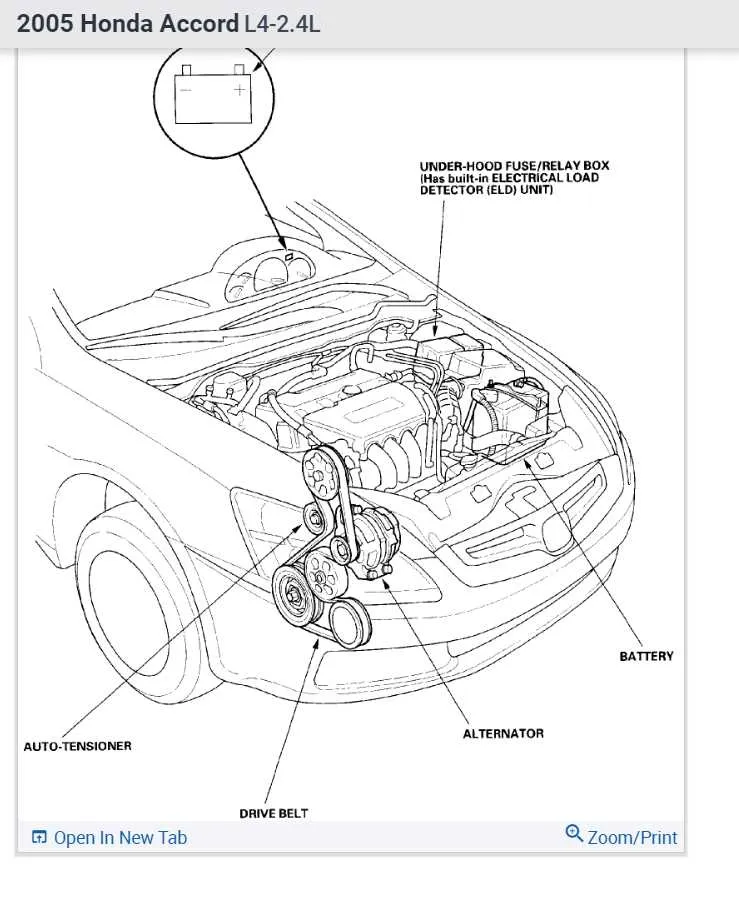
To replace the serpentine belt on your Honda Accord, make sure to follow the belt diagram carefully to avoid misalignment. Start by locating the diagram, usually found on the underside of the hood or near the radiator support. This diagram shows the routing path of the serpentine belt over pulleys and components like the alternator, power steering pump, and air conditioning compressor.
Use a tensioner tool to release tension from the old belt. Once released, carefully remove the belt from the pulleys. When installing the new belt, ensure it follows the correct routing path as shown in the diagram. Double-check that the belt fits snugly over the pulleys, making sure it’s correctly positioned on each one without twisting.
For the 2003–2007 Honda Accord models, the diagram typically shows the belt running over a tensioner pulley, the power steering pump, the alternator, and the A/C compressor. Refer to your model’s specific diagram for the exact placement and configuration of the pulleys.
Once the new belt is in place, slowly release the tensioner and inspect the belt for proper tension. If you notice any alignment issues or feel resistance during rotation, check that the belt is correctly positioned on all pulleys and the tension is set appropriately. Recheck the alignment after a short test drive.
Understanding the Serpentine Belt Routing for 2008-2012 Honda Accord
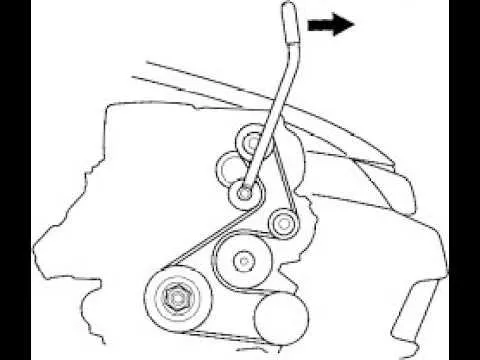
The serpentine belt routing for the 2008-2012 Honda Accord is designed to power multiple engine components, such as the alternator, power steering pump, air conditioning compressor, and water pump. The belt wraps around a series of pulleys, and proper routing is crucial to ensure all components operate smoothly.
To avoid confusion during replacement or inspection, follow the correct path. Start by locating the tensioner pulley, which maintains proper belt tension. From there, the belt loops around the crankshaft pulley, moving toward the alternator. It then heads toward the power steering pump and air conditioning compressor, following the prescribed order in the diagram. The water pump is typically at the front of the engine, just before the tensioner pulley.
If the belt becomes worn or damaged, inspect each pulley for wear and ensure proper alignment. Pay close attention to the direction of the grooves on the pulleys to match them with the belt’s ribs. Incorrect installation could lead to premature wear or failure of the components.
Always use a belt diagram specific to your model and year when replacing the serpentine belt. Refer to the diagram located under the hood for a clear view of the routing path. In case of any uncertainties, consult a repair manual to ensure accuracy and prevent potential damage.
Common Problems with Honda Accord Belt and How to Identify Them
Worn-out belts are a common issue with the Honda Accord, often leading to squealing noises. If you hear a high-pitched sound, especially during engine startup or when accelerating, check the condition of the serpentine belt. Cracks, fraying, or glazing on the belt indicate wear and should be replaced immediately to prevent failure.
Misalignment occurs when pulleys are not aligned correctly, causing uneven wear on the belt. Symptoms include unusual noises or visible signs of belt damage along the edges. To identify misalignment, inspect the pulleys for any signs of wobbling or positioning errors.
Slipping belts can result from improper tension. A belt that’s too loose won’t engage properly with the pulleys, reducing the efficiency of the engine components. If your car struggles to maintain power or if the engine light comes on, check the belt’s tension. Adjusting or replacing the tensioner might solve the problem.
Cracked or frayed edges are a sign that the belt is nearing its end of life. A damaged belt won’t be able to perform its tasks effectively, leading to failure of the components it drives. If you notice any visible cracks or the belt’s edges are fraying, it’s time for a replacement.
Glazed belts are smooth and shiny due to excessive heat or friction. Overheating from prolonged engine use or incorrect belt tension can lead to glazing. If your belt appears shiny or slick, it may no longer grip the pulleys properly, causing slippage. Regular inspection and timely replacement are key to avoiding this issue.
To avoid further damage to your Honda Accord, inspect the belt system at regular intervals. Early identification of these issues helps prevent costly repairs and ensures the longevity of your vehicle.
Step-by-Step Guide to Replacing the Timing Belt on Honda Accord 2.4L
Replace the timing belt on your Honda Accord 2.4L by following these steps for a smooth process.
- Preparation: Gather necessary tools: socket set, torque wrench, timing belt kit, jack, jack stands, and a harmonic balancer puller. Disconnect the car’s battery before starting.
- Lift the Vehicle: Raise the front of the car using a jack, then secure it with jack stands for safety.
- Remove the Front Engine Cover: Use a socket wrench to remove any bolts securing the front engine cover. This will give you access to the timing components.
- Loosen the Serpentine Belt: Locate the tensioner pulley and use a wrench to relieve the tension on the serpentine belt. Remove the belt from the engine components.
- Remove the Crankshaft Pulley: Use a harmonic balancer puller to remove the crankshaft pulley. This step can be tricky, so ensure the tool is correctly applied to avoid damaging the pulley or crankshaft.
- Align the Timing Marks: Turn the crankshaft clockwise to align the timing marks on the crankshaft and camshaft pulleys. Make sure the marks are perfectly aligned before proceeding.
- Remove the Timing Belt: Loosen the tensioner pulley using a wrench and remove the old timing belt. Carefully note the positioning of the belt for reference during installation.
- Install the New Timing Belt: Position the new timing belt around the pulleys, ensuring it follows the same path as the old one. Make sure it fits snugly and doesn’t have slack.
- Tighten the Tensioner Pulley: Reinstall the tensioner pulley and tighten it. Make sure the belt is tight and there is no excessive slack. Double-check the timing marks to ensure proper alignment.
- Reassemble the Engine: Reinstall the crankshaft pulley, serpentine belt, and front engine cover. Tighten all bolts securely.
- Test the Engine: Reconnect the battery and start the engine. Listen for any unusual sounds and check that the engine runs smoothly without skipping or misfiring.
Check the timing belt’s tension once again and verify the alignment after running the engine briefly. If all looks good, your replacement is complete.