Husqvarna LGT2654 Deck Belt Diagram Guide for Proper Installation and Maintenance
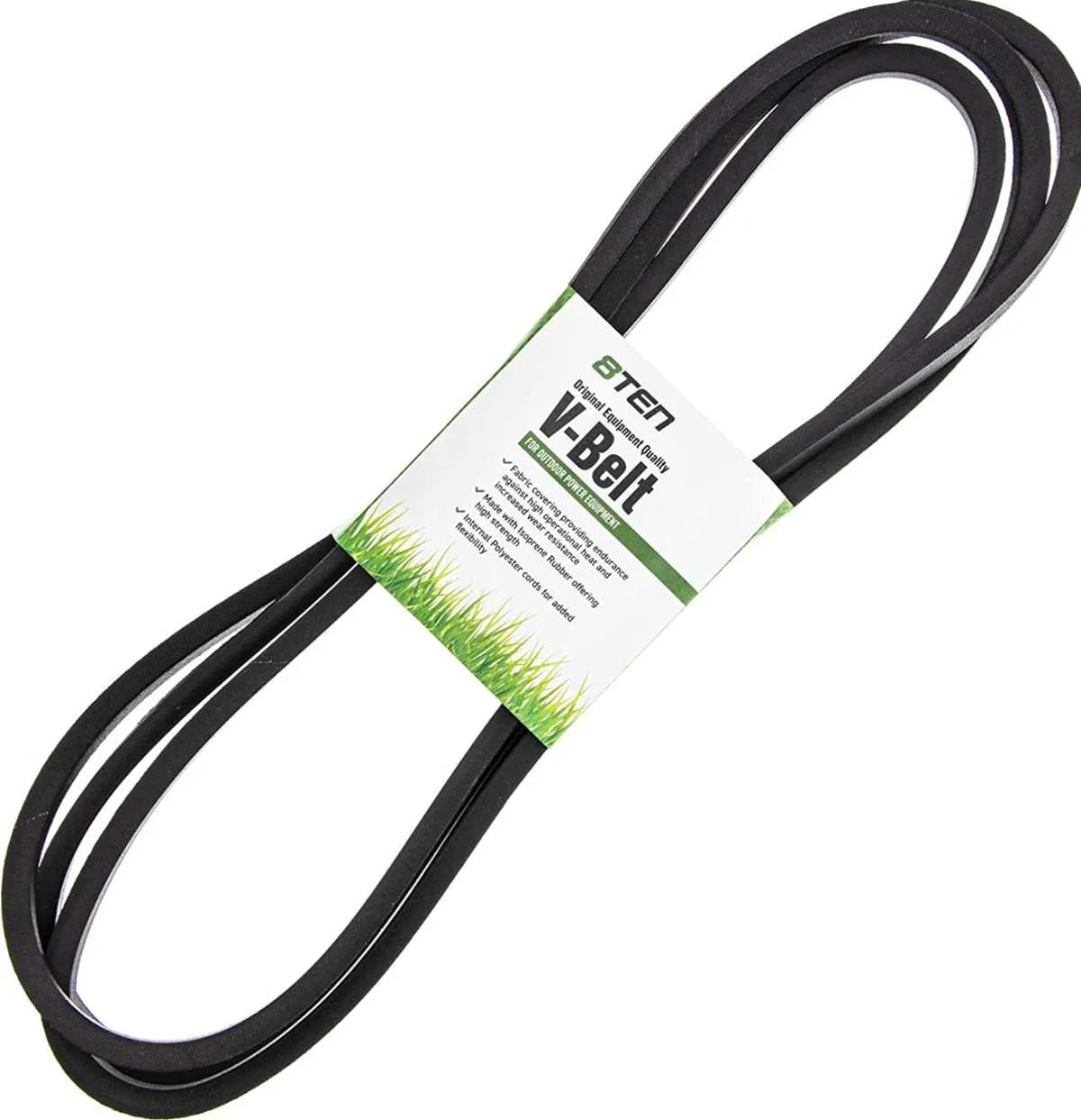
Replace or adjust your deck belt by following the Husqvarna LGT2654 deck belt diagram carefully. The diagram shows the exact routing path over pulleys, tensioners, and the mower deck, helping prevent belt slippage or premature wear.
Check belt alignment against the diagram before operating the mower. Correct alignment ensures smooth cutting performance and reduces strain on the engine and transmission.
Use the diagram to identify components like the idler pulley, mandrel pulley, and tensioner spring. Knowing their positions makes belt installation faster and reduces the risk of damage to the deck or engine.
Inspect the belt condition regularly, comparing it to the diagram to confirm proper seating. A worn or twisted belt can cause uneven cutting or noise, and replacing it according to the diagram maintains consistent performance.
Follow torque recommendations for pulleys and tensioners during reassembly. The diagram helps visualize the proper sequence, ensuring the belt operates smoothly without slipping or jumping off the pulleys.
Husqvarna LGT2654 Deck Belt Diagram
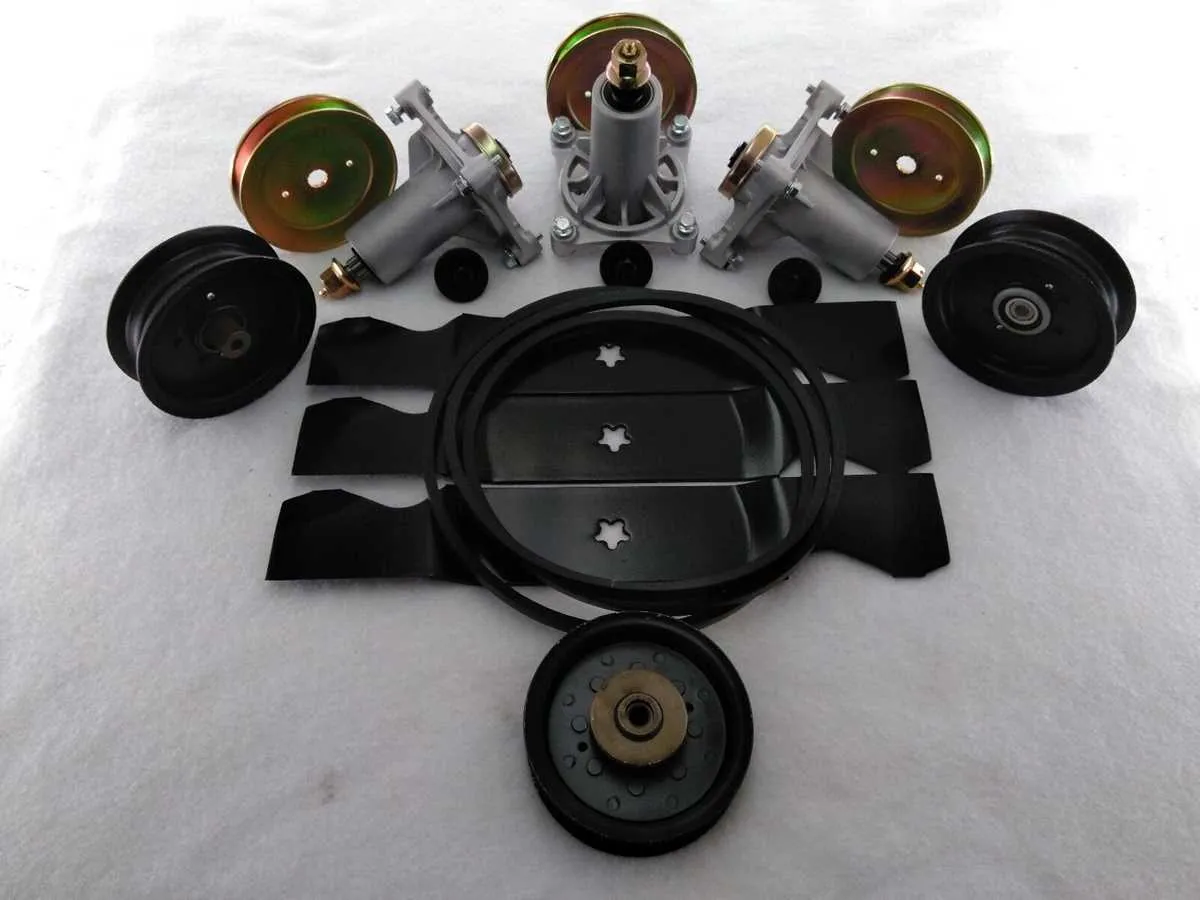
Consult the deck belt diagram to correctly route the belt on the LGT2654 mower. Position the belt around the pulleys following the exact path shown in the diagram: start from the engine pulley, loop through the idler pulleys, and finally wrap around the spindles of the mower deck.
Check the tension by pressing down on the belt midpoint; it should flex slightly without slipping off the pulleys. Replace any worn or frayed sections immediately to prevent damage to the mower or uneven cutting.
Ensure each pulley spins freely before reinstalling the belt. Misaligned pulleys can cause the belt to slip, reducing cutting performance and increasing wear. Use the diagram to verify the routing after adjustments.
For maintenance, remove the deck and clean debris from the pulleys. Reinstall the belt according to the diagram to maintain consistent power transfer from the engine to the blades. Inspect the belt periodically to extend its lifespan and maintain smooth operation.
Locating and Identifying Deck Belts on Husqvarna LGT2654
Access the deck belt by raising the mower deck to its highest position and securing it with the lift lock. Locate the two primary belts: the engine-to-pulley belt and the deck drive belt. The engine-to-pulley belt runs directly from the engine pulley to the idler and spindle pulleys, while the deck drive belt wraps around the deck spindles, following the routing diagram stamped on the deck itself.
Identify each belt by its width and length markings, usually printed on the outer surface. Compare these numbers with the specifications in the Husqvarna LGT2654 manual to confirm compatibility. The deck belt features smooth and ribbed sides; the ribbed side must face the corresponding pulleys to ensure proper engagement and prevent slipping.
Inspect the pulleys for wear or debris before installing a new belt. Route the belt through each pulley exactly as shown in the manufacturer’s diagram, maintaining proper tension by adjusting the idler pulley. Verify that the belt sits squarely on every pulley and rotates freely without twisting before lowering the deck back into operational position.
Step-by-Step Guide to Removing and Replacing the Deck Belt
Release the tension on the deck belt by locating the idler pulley and moving it away from the belt path using a wrench or socket. This relieves pressure and allows the belt to slide off easily.
-
Raise the mower deck to its highest position and engage the parking brake for stability.
-
Locate the deck belt diagram near the mower deck or consult the manual for reference. Identify the routing of the belt around pulleys and the engine spindle.
-
Use a wrench to rotate the idler pulley, freeing the belt tension. Carefully remove the belt from each pulley, noting the routing sequence.
-
Inspect all pulleys for wear, debris, or damage. Clean any dirt or grass buildup before installing the new belt.
-
Position the new belt around the pulleys following the original routing pattern exactly. Start with the engine pulley, then the deck spindles, and finally the idler pulley.
-
Rotate the idler pulley again to slip the belt fully into place. Ensure the belt sits correctly in all pulley grooves without twisting.
-
Lower the deck and perform a quick test by turning the blades manually to confirm proper belt alignment and tension.
Check the belt after the first use for proper seating and tension. Adjust the idler pulley slightly if the belt shows signs of slipping or misalignment.
Troubleshooting Common Deck Belt Issues on LGT2654
Inspect the deck belt for visible cracks, fraying, or glazing. Replace the belt if any of these signs appear. Check the tension by pressing the belt midway between pulleys; it should deflect about 1/2 inch under moderate pressure. Adjust the tension using the idler pulley if necessary.
Listen for unusual squealing or slipping during operation. Squealing often indicates misalignment or worn pulleys. Verify that all pulleys spin freely and are aligned according to the LGT2654 deck belt diagram. Lubricate pivot points on the idler arm to reduce friction and noise.
Examine the belt path for debris or grass buildup that can cause slipping or uneven wear. Clean pulleys and deck components thoroughly. Ensure the belt follows the correct routing as shown in the deck belt diagram; incorrect routing can damage both the belt and mower performance.
Measure belt wear regularly. A stretched belt reduces cutting efficiency and may slip under load. Replace the belt after approximately 150 hours of operation or sooner if wear is evident. Check the tension again after installation to maintain proper performance.
| Issue | Cause | Solution |
|---|---|---|
| Belt slipping | Loose tension or worn belt | Adjust idler pulley, replace belt if necessary |
| Squealing noise | Misaligned or seized pulleys | Align pulleys, lubricate idler pivot, replace damaged pulleys |
| Cracking or fraying | Age or debris damage | Replace belt immediately |
| Uneven wear | Incorrect routing or debris | Clean deck, verify belt routing against diagram |
Check the tension spring for proper compression; a weak spring reduces belt engagement and may cause uneven cutting. Replace the spring if it cannot maintain correct pressure. Inspect spindle pulleys and mandrels for wobble or play, as these affect belt life and deck performance.