Cummins L9 Engine Belt Diagram for Accurate Routing and Component Identification
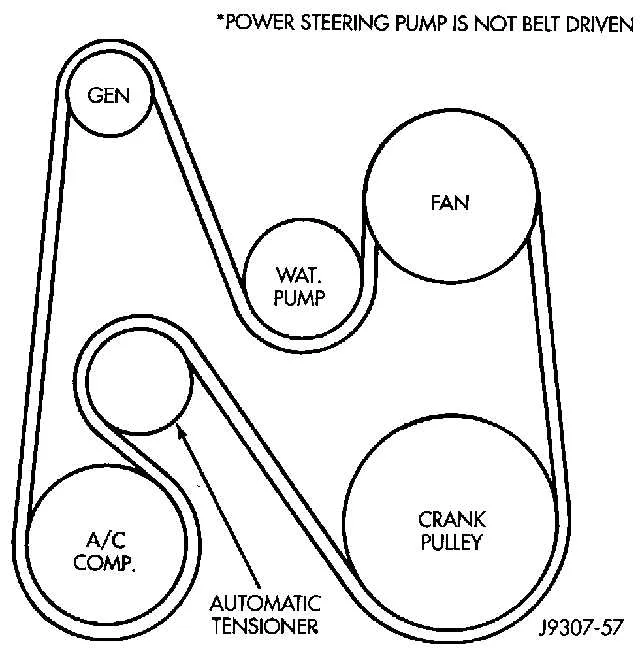
Refer to the Cummins L9 belt diagram to identify the correct routing of the serpentine and accessory belts. Follow the diagram to ensure precise alignment across the alternator, water pump, air compressor, and other driven components. Misalignment can cause premature wear or slippage, reducing engine reliability.
Inspect each pulley for smooth rotation and absence of damage before placing the belt. Use the diagram to verify the correct belt path, noting the tensioner location and routing direction. Tensioner adjustment should match specifications indicated by the manufacturer to maintain optimal belt tension.
Replace belts at intervals recommended in the Cummins L9 maintenance schedule, or immediately if visible cracks, fraying, or glazing appear. Use the diagram to double-check installation after replacement, ensuring the belt sits fully in all pulley grooves. Accurate installation prevents operational interruptions and extends the service life of both belts and engine accessories.
Cummins L9 Belt Diagram Practical Guide for Maintenance and Installation
Follow the belt routing exactly as indicated in the Cummins L9 diagram to prevent misalignment and premature wear. Start by identifying the crankshaft pulley, alternator, water pump, and tensioner locations, ensuring each component is free of debris or damage.
Loosen the automatic tensioner using a 1-inch square drive or the specified Cummins tool. Carefully slide the serpentine belt off pulleys, noting the routing path. Inspect the belt for cracks, fraying, or glazing; replace immediately if any defects are present.
Position the new belt according to the diagram, starting with the crankshaft pulley and moving sequentially to the water pump, alternator, and accessories. Apply moderate tension via the tensioner and verify that the belt sits evenly across all pulley grooves.
Rotate the engine manually two full revolutions using a socket on the crankshaft pulley to confirm proper alignment and tension. Recheck the belt path and tensioner position after rotation. Adjust as necessary to avoid slippage or squealing.
Schedule routine inspections every 10,000 miles or during service intervals. Ensure that pulley surfaces remain clean and bearings rotate smoothly. Replace the tensioner every 60,000 miles or if wear signs appear. Proper adherence to the belt diagram and maintenance steps extends component life and prevents unexpected engine downtime.
Understanding the Cummins L9 Belt Routing for Correct Installation
Position the belt correctly by following the routing diagram specific to the Cummins L9 engine. Start at the crankshaft pulley and trace the path around the alternator, water pump, air compressor, and idler pulleys, maintaining proper tension throughout.
Use the tensioner to adjust the belt after installation. Apply steady pressure to the tensioner arm and ensure the belt seats fully in each pulley groove. Misalignment or slack can lead to premature wear or failure.
- Identify each component: Verify the crankshaft, alternator, water pump, air compressor, and idler pulleys before routing the belt.
- Route the belt: Loop the belt around the crankshaft first, then sequentially follow the diagram for accessory pulleys.
- Check alignment: Ensure the belt rests evenly in all pulley grooves without twisting.
- Apply tension: Adjust the automatic or manual tensioner until the belt shows proper deflection–usually around 1/2 inch at mid-span.
- Double-check: Rotate the engine by hand two full revolutions and inspect belt seating and alignment.
Maintain clean pulleys free from oil or debris to prevent slipping. Replace any worn or glazed pulleys during installation. Document the routing for future reference and confirm that each pulley rotates smoothly without obstruction.
Regular inspection after initial operation is recommended. Check belt tension, alignment, and wear marks. Adjust or replace the belt promptly if any irregularities appear to protect engine performance and prevent downtime.
Identifying Tensioners and Pulleys in the Cummins L9 Belt System
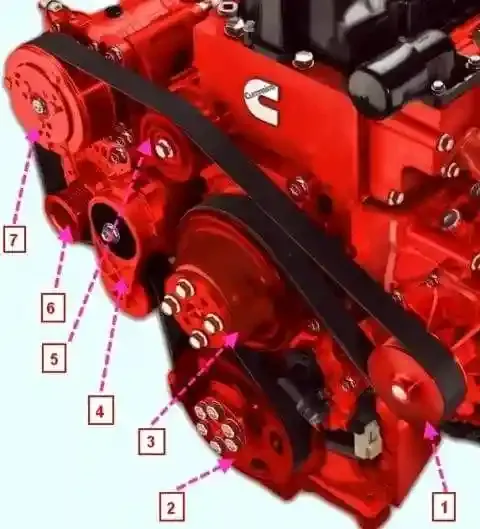
Locate the automatic belt tensioner on the front of the engine, mounted near the water pump. It uses a spring-loaded arm to maintain proper belt tension and features a square hole for a 3/8-inch ratchet or breaker bar. Rotate the tensioner clockwise to release belt pressure for removal or installation.
The idler pulleys guide the serpentine belt along its correct path. The upper idler pulley sits above the alternator, while the lower idler pulley positions near the crankshaft pulley. Both pulleys spin on sealed bearings; check for smooth rotation and absence of wobble or noise during inspection.
The crankshaft pulley drives the main belt loop and should be aligned with other pulleys to prevent slippage. The alternator pulley connects the alternator to the belt system and can feature either a standard fixed or overrunning design. Verify alignment and wear patterns to ensure optimal belt performance.
The air compressor pulley is typically located on the driver’s side of the engine and may include an overrunning clutch. Inspect its rotation for resistance or unusual play, which could indicate bearing fatigue. Similarly, the water pump pulley and power steering pulley maintain consistent belt engagement, and any misalignment can lead to premature belt wear.
When identifying each pulley, follow the belt path from the crankshaft, noting which components the belt contacts. Use a diagram specific to the Cummins L9 for reference to confirm each tensioner and pulley location before performing maintenance or replacement.
Troubleshooting Common Belt Wear and Alignment Issues on L9 Engines
Inspect the serpentine belt for visible signs of fraying, cracking, or glazing along the ribs. Focus on areas where the belt contacts pulleys, tensioners, and idlers, as uneven wear often indicates misalignment or improper tension.
Check pulley alignment using a straightedge or laser alignment tool. Misaligned pulleys can cause edge wear or rib separation. Adjust or replace pulleys that show lateral deviation exceeding 1–2 millimeters along the belt plane.
Examine the automatic tensioner for proper spring tension and smooth movement. A weakened or seized tensioner can lead to belt slippage or abnormal wear patterns. Replace tensioners that fail to maintain consistent tension or produce excessive noise during rotation.
Measure belt deflection under recommended load. For the Cummins L9, a standard 10–12 mm deflection under moderate hand pressure confirms correct tension. Overly loose belts generate vibration, while overly tight belts stress bearings and accelerate rib wear.
Inspect idlers and accessory pulleys for smooth rotation and absence of wobble. Bearings with rough rotation or axial play can transfer uneven forces to the belt, producing cupping or rib scalloping. Replace any pulley showing resistance or noise during spin tests.
Clean pulley grooves of debris and oil contamination before installing a new belt. Contaminants reduce friction, leading to slippage and uneven wear. Use a lint-free cloth and a mild degreaser compatible with engine components.
After installation, run the engine for a short period and recheck belt alignment and tension. Listen for squealing or chirping sounds, which often indicate a need for minor adjustments in pulley position or tensioner calibration.