2012 Toyota Camry Engine Belt Routing and Layout Diagram for Maintenance
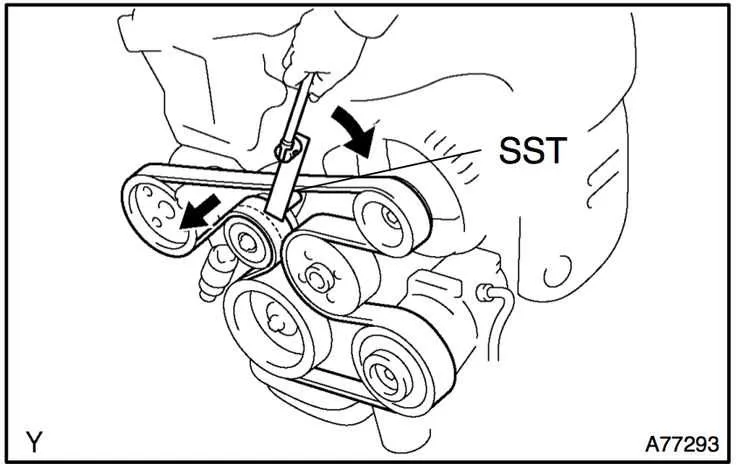
Locate the serpentine belt routing accurately by consulting the 2012 Toyota Camry belt diagram before attempting any replacements or adjustments. The belt controls critical components including the alternator, power steering pump, and air conditioning compressor, so correct installation prevents engine damage and accessory failure.
Follow the belt path carefully from the crankshaft pulley to the tensioner and idler pulleys. The 2.5L four-cylinder and 3.5L V6 engines have distinct routing patterns, with the V6 requiring extra attention to the water pump pulley alignment. A misaligned belt can generate noise, premature wear, or slippage under load.
Check for wear indicators along the belt surface such as cracks, fraying, or glazing. Comparing the worn belt against the diagram ensures that you are routing the new belt correctly and maintaining proper tension throughout the accessory system. Proper alignment reduces the risk of vibration and extends the lifespan of the belt and pulleys.
Use the diagram as a reference during tensioner adjustment. The spring-loaded tensioner on the 2012 Camry maintains optimal belt tension automatically, but verifying tension after installation prevents over-tightening or slack that could compromise engine performance. Keep the diagram accessible for future maintenance checks.
2012 Toyota Camry Belt Diagram Guide
Locate the serpentine belt routing diagram on the engine cover or under the hood near the radiator support. For the 2.5L 4-cylinder engine, the belt wraps around the crankshaft pulley, alternator, water pump, idler pulley, and tensioner. For the 3.5L V6 engine, the belt passes over the crankshaft pulley, alternator, power steering pump, water pump, idler pulley, and tensioner in a specific path that maintains correct tension and alignment.
Use a wrench to release tension on the automatic belt tensioner before removing the old belt. Follow the diagram closely, ensuring each pulley groove aligns properly with the belt ribs. Misalignment can cause noise or premature wear. Check the pulleys for damage or excessive play while the belt is off.
Install the new belt by routing it according to the diagram, starting from the crankshaft pulley and moving sequentially around each component. Rotate the tensioner to slip the belt into place, then slowly release it to apply proper tension. Spin the engine by hand to verify smooth operation and correct alignment before starting the car.
Keep a printed or laminated copy of the belt diagram in the glove box for future reference. Regularly inspect the belt for cracks, fraying, or glazing, and replace it approximately every 60,000 miles for the 2.5L engine or 90,000 miles for the 3.5L engine, or sooner if any wear signs appear.
How to Identify Each Belt and Its Routing
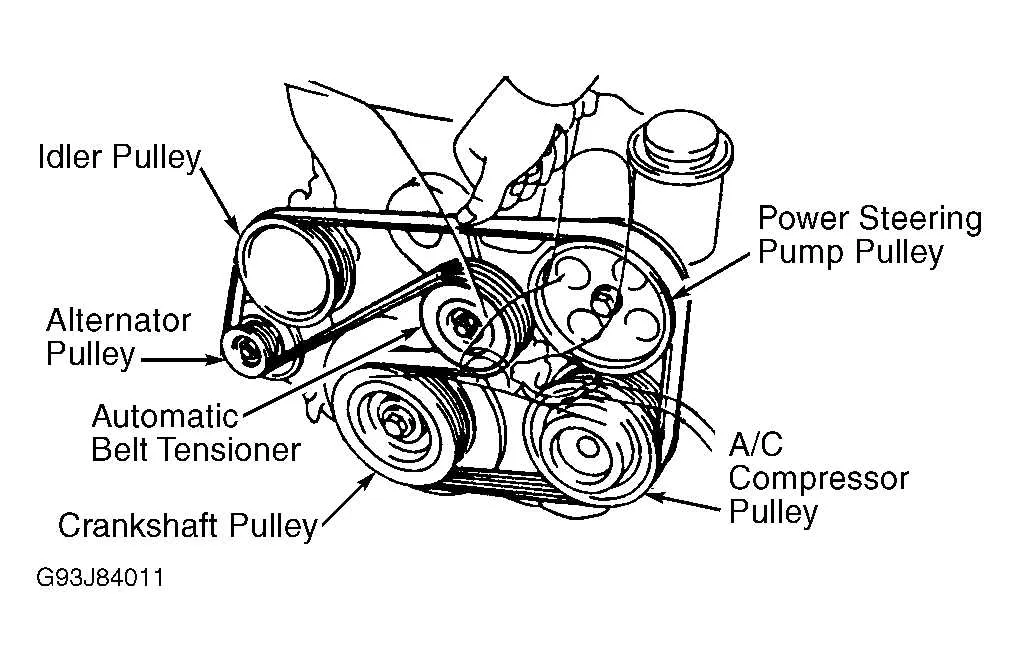
Locate the serpentine belt on the front of the engine; it is the longest belt, connecting the alternator, power steering pump, water pump, and A/C compressor. Inspect the belt’s path carefully, following the tensioner pulley to understand the routing sequence. Each pulley should be examined for markings or arrows indicating the belt’s direction.
The timing belt sits behind the engine’s front cover and requires removing the cover for visibility. Look for the camshaft and crankshaft pulleys, which guide the belt’s alignment. Use the timing marks etched on these pulleys to confirm correct positioning.
For the accessory belt, check if the engine has multiple belts. Some 2012 Camry models use a separate A/C belt. Trace it from the A/C compressor to the crankshaft pulley, noting the routing over idler pulleys. Compare your observations with the belt diagram printed on the engine or in the service manual to verify each loop and tension point.
Mark each belt with a colored chalk or tape before removal to prevent confusion. Rotate the engine manually to ensure belts move smoothly along their intended paths. Double-check alignment at all pulleys, including tensioners and idlers, to avoid misrouting, squealing, or premature wear.
Step-by-Step Instructions for Replacing the Serpentine Belt
Release tension from the serpentine belt tensioner using a 3/8-inch ratchet or breaker bar. Locate the tensioner on the front of the engine, just above the alternator, and rotate it clockwise to free the belt.
- Trace the belt path before removal, using the diagram under the hood or a printed reference. Ensure you note the routing around the crankshaft pulley, alternator, power steering pump, and AC compressor.
- Slide the belt off the pulleys starting from the smallest accessory pulley, maintaining tension on the tensioner while doing so.
- Inspect all pulleys for wear, wobble, or unusual noise. Replace any pulley that shows signs of damage before installing the new belt.
- Compare the new serpentine belt with the old one. Match the length and rib pattern to prevent misalignment or slipping.
- Route the new belt along the same path as the old one, leaving the tensioner pulley for last.
- Apply pressure to the tensioner with the ratchet, and slide the belt over the tensioner pulley. Release the tensioner slowly to apply proper tension.
- Check belt alignment on all pulleys. Ensure the ribs sit evenly in the grooves and that the belt runs straight without twisting.
- Start the engine and observe the belt in motion. Listen for any squealing or slipping and recheck tension if necessary.
Test drive the vehicle briefly, then inspect the belt again for correct seating and smooth operation. Proper installation prevents premature wear and maintains accessory performance.
Troubleshooting Common Belt Wear and Alignment Issues
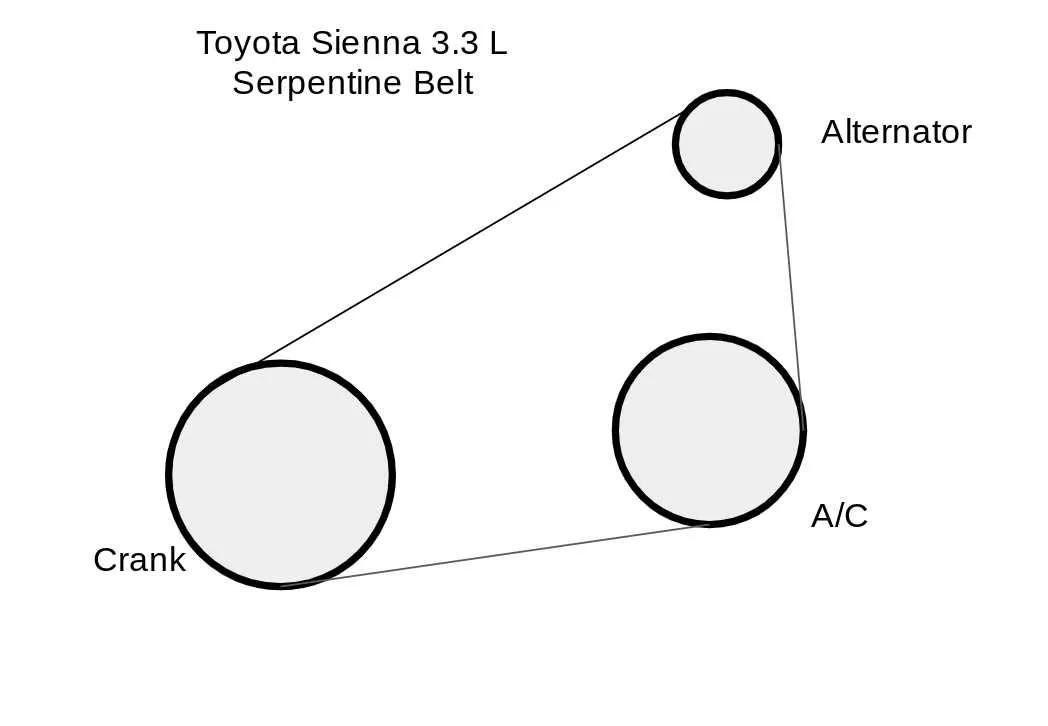
Inspect the serpentine belt for cracks, fraying, or glazing at least every 30,000 miles. Check the belt tension using a tension gauge; a loose belt can slip, while an overtightened belt accelerates bearing wear. Rotate the engine manually and observe the belt tracking across pulleys to detect misalignment.
If you notice uneven wear, measure pulley alignment with a straight edge or laser tool. Misaligned pulleys cause the belt to rub edges, generating noise and reducing service life. Replace any bent or worn pulleys immediately and recheck alignment before reinstalling the belt.
Listen for squealing noises during startup or acceleration. High-pitched squeals often indicate a worn belt or pulley bearing. Apply a small amount of talc or belt dressing temporarily to isolate the source, but plan replacement if the sound persists. Always replace belts with OEM or high-quality aftermarket options to maintain correct tension and fit.
Inspect accessory components such as the alternator, water pump, and tensioner. A sticking tensioner spring or seized bearing increases belt stress and uneven wear. Lubricate pivot points and ensure smooth tensioner movement. Recheck belt alignment after any component adjustment or replacement to avoid premature failure.