Audi A4 Serpentine Belt Routing Diagram and Maintenance Guide
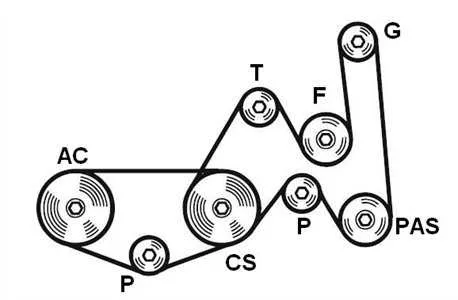
The serpentine belt in your Audi A4 plays a critical role in powering several components, such as the alternator, power steering pump, and air conditioning. To avoid potential damage or malfunction, it’s important to understand how this belt functions and how to identify any wear or issues.
Use the Audi A4 serpentine belt diagram to ensure the correct routing of the belt. If it’s misaligned, you may experience a variety of problems, including poor engine performance or the failure of vital accessories. The diagram is an excellent reference when replacing or adjusting the belt, providing a visual guide to simplify the process.
In case you need to replace the serpentine belt, it’s crucial to follow the diagram carefully. Incorrect installation can lead to further damage, particularly to the tensioner or pulleys. Regular checks can prevent unnecessary repairs and maintain your Audi’s smooth operation.
Audi A4 Serpentine Belt Diagram: A Practical Guide
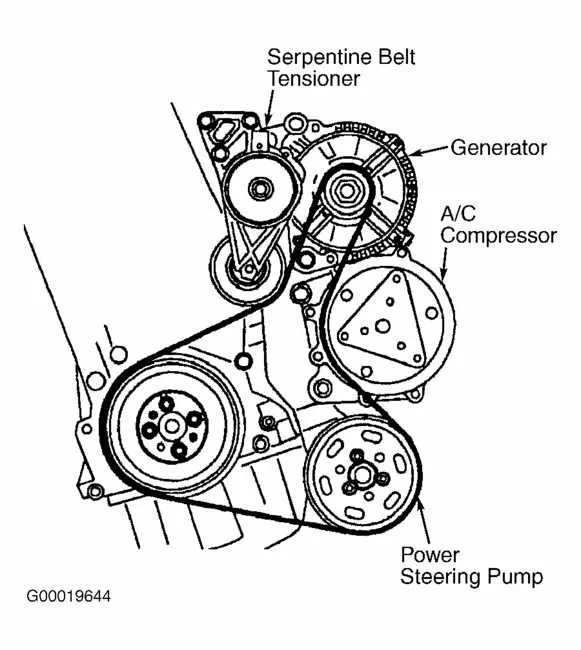
Check your Audi A4 serpentine belt if you hear unusual noises or notice a decrease in performance. It’s a critical component that drives several essential accessories like the alternator, power steering pump, and air conditioning compressor. Knowing the correct routing of the serpentine belt can help you replace it accurately and avoid costly repairs.
The serpentine belt on Audi A4 models typically runs along the front of the engine and loops around various pulleys. Each component in the system, from the alternator to the AC compressor, relies on the smooth operation of this belt. If it snaps or wears out, you’ll experience immediate issues, including engine overheating, loss of power steering, and electrical problems.
For precise belt replacement, refer to the diagram specific to your engine model. The routing will slightly differ based on the engine type, whether it’s a 1.8L, 2.0L, or 3.2L V6. The diagram usually shows the direction of the belt, identifying the pulleys in the process. In most cases, the tensioner pulley plays a significant role in maintaining proper belt tension, so be sure to check its condition.
Before replacing the belt, loosen the tensioner pulley using a wrench or socket. This will allow you to remove the old belt easily. Once the new belt is in place, ensure the grooves are aligned with the pulleys correctly. Test the belt’s tension by pressing on it; it should be firm but not overly tight. If the belt is too loose, adjust the tensioner accordingly.
Regular inspection of the serpentine belt is key to catching wear before it leads to more severe issues. Cracking, fraying, or glazing on the belt’s surface are signs of wear and should prompt immediate replacement. If you’re not familiar with how to read the diagram or work with engine components, consulting a professional mechanic is always a good call.
Understanding the Audi A4 Serpentine Belt Routing
The serpentine belt routing on an Audi A4 is a critical aspect of the engine’s operation, powering key components like the alternator, power steering pump, and air conditioning compressor. Incorrect routing can lead to belt slippage, reduced performance, or even component failure. Follow these steps for accurate routing.
First, locate the tensioner pulley, which is the key component in keeping the belt tight. Use a wrench to rotate the tensioner and release the belt tension. This will allow you to remove the old serpentine belt and inspect for any damage or wear before installing the new one.
Next, refer to the belt diagram specific to your Audi A4 model. Typically, the diagram is found on a sticker near the engine bay or in the vehicle’s service manual. The belt must follow the exact path shown to ensure it fits properly and doesn’t cause undue stress on engine components.
Start by looping the belt over the crankshaft pulley at the bottom of the engine. From there, follow the route as shown in the diagram, passing over each pulley in the proper order. Pay attention to the direction of the pulleys to avoid confusion during installation. Make sure the belt sits securely in each groove, especially on the alternator and idler pulleys.
Once the belt is in place, slowly release the tensioner pulley to apply pressure on the belt. Ensure the belt is tightly fitted, with no slack, and verify the alignment. If the belt is misaligned or too tight, it can wear prematurely or cause engine malfunction.
Finally, after installation, start the engine and observe the belt’s movement. A correctly installed serpentine belt should run smoothly, without any wobbling or noise. If you notice any irregularities, stop the engine and double-check the routing and tension.
Regular inspection and replacement of the serpentine belt every 60,000-100,000 miles will help maintain optimal engine performance. Keep an eye on the belt for signs of wear such as cracks or fraying, which can lead to failure if not addressed.
How to Identify the Correct Serpentine Belt for Your Audi A4
Check your Audi A4’s engine specifications and model year to identify the correct serpentine belt. Each engine variant might require a different belt due to varying pulley setups or alternator sizes. For accurate identification, use the vehicle’s VIN number and consult an automotive parts retailer or the vehicle’s owner manual.
Measure the length and width of the current serpentine belt if replacing it, as these dimensions can help pinpoint the exact replacement. Alternatively, find the part number stamped on the old belt or consult a dealer for recommendations based on your car’s make, model, and engine configuration.
Ensure that the belt has the correct number of ribs, grooves, and markings to match your Audi A4’s pulley system. A slight mismatch can cause slipping or improper tension, leading to further engine damage. Using OEM parts will guarantee an ideal fit and performance.
If you’re unsure, using an online belt lookup tool with your car’s details can provide the precise part number and specifications for your Audi A4’s serpentine belt.
Troubleshooting Common Issues with the Serpentine Belt in Audi A4
Check for belt wear first. If the serpentine belt shows visible cracks, fraying, or glazing, it’s time for a replacement. A worn belt will often slip, leading to inefficient performance of components like the alternator and air conditioning system.
If the belt is noisy, it might be due to improper tension. Inspect the tensioner and pulley alignment. A loose belt can cause squealing noises, especially in cold weather. Adjust the tension or replace the tensioner if necessary.
Inconsistent power output is another sign of a failing serpentine belt. If your Audi A4 experiences issues with charging, cooling, or air conditioning, the serpentine belt could be slipping, reducing the efficiency of the alternator, water pump, or compressor. Check for proper alignment of pulleys and look for signs of misalignment or damage to the belt routing system.
- Inspect the condition of the belt regularly.
- Ensure the tensioner works properly and the belt is not too loose or too tight.
- Check for misaligned pulleys or damaged components that could lead to belt slippage.
If the belt seems fine but you notice electrical or cooling problems, test the alternator and water pump separately. A faulty alternator or pump might stress the belt, making it work harder than usual. Replace any malfunctioning components as needed to avoid excessive strain on the belt.
Overheating or power loss could signal an issue with the serpentine belt system. A seized pulley or bearing can prevent the belt from operating smoothly, resulting in higher engine temperatures or poor performance. In such cases, inspect the belt path for any stiff or worn pulleys and bearings, and replace them if necessary.
For Audi A4 owners, regular maintenance of the serpentine belt system ensures smooth engine performance and helps avoid costly repairs down the road. Replace the belt every 60,000 to 100,000 miles to avoid unexpected breakdowns and keep all systems running at peak performance.