Clear and Accurate Diagram for 2009 Scion TC Serpentine Belt Routing and Installation
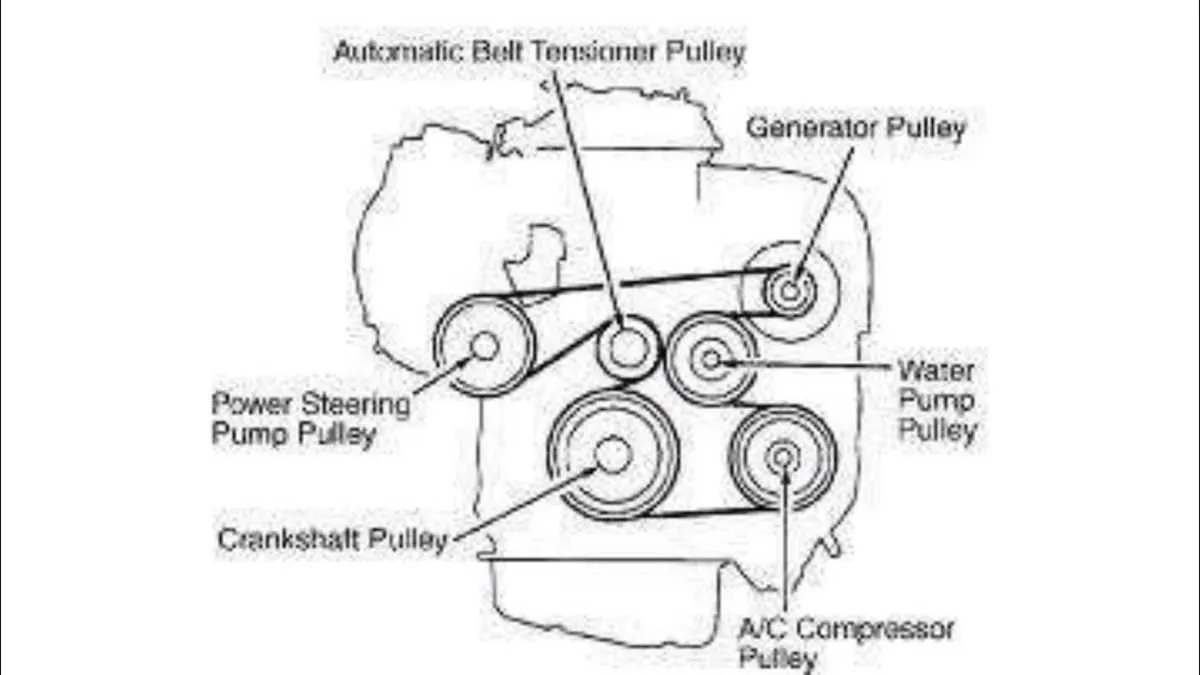
Refer to the accurate serpentine belt diagram specific to the 2009 Scion tC to ensure proper installation and maintenance. The belt wraps around multiple pulleys including the crankshaft, alternator, power steering pump, and air conditioning compressor, creating the necessary tension for smooth operation.
Follow the routing shown in the diagram precisely to avoid belt slippage or premature wear. Incorrect alignment can cause noise, reduced accessory performance, or even engine damage. Use the tensioner pulley as a guide for adjusting belt tension correctly.
Keep the diagram handy during replacement to verify the belt’s path. Inspect pulleys and tensioner for wear while replacing the belt to prevent future failures. Proper alignment extends belt life and maintains optimal engine function.
2009 Scion tC Serpentine Belt Diagram
The serpentine belt on a 2009 Scion tC powers multiple engine accessories, including the alternator, power steering pump, and air conditioning compressor. Correct routing ensures optimal performance and prevents premature wear.
Follow this routing sequence starting at the crankshaft pulley:
- Crankshaft pulley (main drive)
- Water pump pulley
- Alternator pulley
- Air conditioning compressor pulley
- Power steering pump pulley
- Tensioner pulley
The belt wraps around the tensioner pulley last, which maintains proper tension automatically. Verify the belt aligns perfectly in the grooves to avoid slippage or damage.
Use a wrench or serpentine belt tool to release tension on the tensioner pulley for installation or removal. Inspect the belt for cracks, fraying, or glazing before reinstalling.
- Replace the belt every 60,000 to 90,000 miles or if any damage is visible.
- Check pulley bearings for smooth operation to avoid belt misalignment.
- Ensure the belt is seated fully in each pulley groove.
Following this diagram and maintenance tips will help maintain reliable accessory operation and extend belt life on the 2009 Scion tC.
Locating and Identifying Serpentine Belt Components on a 2009 Scion tC
Locate the serpentine belt on the front of the engine, wrapping around several key pulleys. The belt drives the alternator, power steering pump, water pump, and air conditioning compressor.
Start by identifying the crankshaft pulley at the bottom center; this pulley powers the entire belt system. Above and to the side, find the alternator pulley, usually at the top left. The power steering pump pulley sits lower on the right side.
The water pump pulley connects near the center or slightly lower on the left, depending on the engine layout. Lastly, the air conditioning compressor pulley is positioned at the lower right, recognizable by its connection to the A/C lines.
Look for the belt tensioner pulley, a spring-loaded arm maintaining proper belt tension. It usually rests near the center-right, close to the water pump or alternator. Use a wrench or serpentine belt tool on the tensioner pulley bolt to relieve tension when removing or installing the belt.
Follow the belt routing diagram, typically found on a sticker under the hood or in the owner’s manual, to ensure correct alignment across all pulleys. This prevents slipping and premature wear.
Regularly check the belt for cracks or fraying around these components to maintain smooth operation and avoid unexpected breakdowns.
Step-by-Step Guide to Removing and Installing the Serpentine Belt
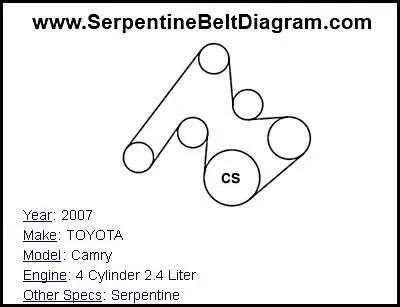
Locate the serpentine belt routing diagram on the engine compartment or refer to the 2009 Scion tC manual for exact placement. This diagram is crucial for reinstalling the belt correctly.
Start by loosening the tensioner pulley using a 3/8-inch or 1/2-inch ratchet or breaker bar. Insert the tool into the tensioner’s square hole and rotate it clockwise to release tension from the belt.
While holding the tensioner, slide the belt off the pulleys, beginning with the easiest accessible one, usually the alternator or the power steering pulley.
Once the belt is free, slowly release the tensioner back to its resting position to avoid damage. Remove the belt completely from the engine bay.
Inspect all pulleys and the tensioner for wear or damage. Replace any components showing signs of excessive wear to prevent future belt issues.
To install the new serpentine belt, follow the routing diagram carefully. Loop the belt around all pulleys except the tensioner pulley last.
Use the ratchet or breaker bar again to rotate the tensioner and create slack. Slide the belt over the tensioner pulley while maintaining tension on the tool.
Slowly release the tensioner, allowing it to apply proper tension to the belt. Double-check the belt sits firmly in each pulley groove without twisting or misalignment.
Start the engine and observe the belt operation. Listen for any unusual noises and watch for proper tracking on all pulleys.
Troubleshooting Common Serpentine Belt Issues for the 2009 Scion tC
Check the serpentine belt for visible signs of wear such as cracks, fraying, or glazing. Replace the belt immediately if you notice any damage to prevent sudden failure. Pay close attention to squealing noises during engine startup or acceleration, as these often indicate belt slippage or misalignment.
Inspect the belt tensioner and pulleys for proper operation. A worn tensioner can cause the belt to lose tension, leading to poor accessory performance and premature belt wear. Use a tension gauge or manually test for excessive play in the tensioner pulley.
Ensure the belt follows the correct routing specific to the 2009 Scion tC, referencing the serpentine belt diagram. Incorrect routing may cause improper tension and damage to the belt or components driven by it.
Clean the pulleys and remove any debris or oil contamination. Oil-soaked belts lose grip and degrade faster, increasing the risk of slipping. Wipe down pulleys with a suitable cleaner before installing a new belt.
If the belt frequently slips or wears unevenly, examine the alignment of all accessory pulleys. Use a straightedge or laser tool to verify pulleys are aligned on the same plane. Replace any damaged or warped pulleys to ensure smooth belt operation.
Replace the serpentine belt approximately every 60,000 to 90,000 miles or sooner if signs of wear appear. Regular inspection during oil changes helps catch issues early and maintains reliable performance.