Belt Diagram for 6.7 Powerstroke Engine Explained
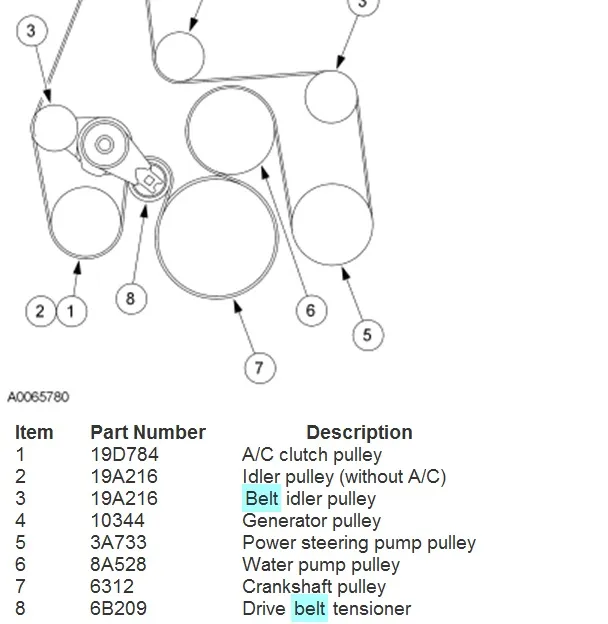
For maintaining the 6.7 Powerstroke engine, a clear understanding of the belt diagram is crucial. The correct routing of belts ensures proper functioning of components like the alternator, water pump, and air conditioning system. Start by locating the tensioner pulley to remove tension from the belt, allowing you to replace or inspect the serpentine belt without damage.
The diagram layout is simple but vital. The belt must follow the correct path over each pulley to prevent unnecessary wear or potential damage. Ensure the smooth alignment of the belt across all components, including the crankshaft pulley, idler pulley, and power steering pump, as this affects overall engine performance.
Use the manufacturer’s diagram to guide the installation or maintenance process. This avoids the risk of incorrect routing, which could lead to belt slippage, engine overheating, or malfunctioning accessories. Always double-check that the belt is properly seated in the grooves and under the correct tension after installation.
Belt Diagram 6.7 Powerstroke
The 6.7 Powerstroke engine belt system plays a key role in maintaining engine performance. A clear understanding of its diagram helps to troubleshoot and replace belts when necessary. The system includes several components, such as the serpentine belt, tensioner, idler pulleys, and accessories like the alternator and air conditioning compressor. Proper belt routing ensures smooth operation and prevents premature wear.
- Serpentine Belt: The serpentine belt drives most of the engine’s accessories. It loops around the pulleys and tensioner, transferring power from the engine to components like the alternator, water pump, and air conditioning compressor.
- Tensioner: The belt tensioner maintains the correct tension on the serpentine belt, preventing slack and ensuring efficient energy transfer. Over time, tensioners can wear out, causing the belt to slip or even break.
- Idler Pulleys: These pulleys guide the serpentine belt around the various components. If a pulley becomes damaged or misaligned, it can cause the belt to wear unevenly or slip off its track.
- Alternator and AC Compressor: The belt connects directly to the alternator and air conditioning compressor, powering these critical systems. A malfunctioning belt or misalignment can cause power loss or failure of these components.
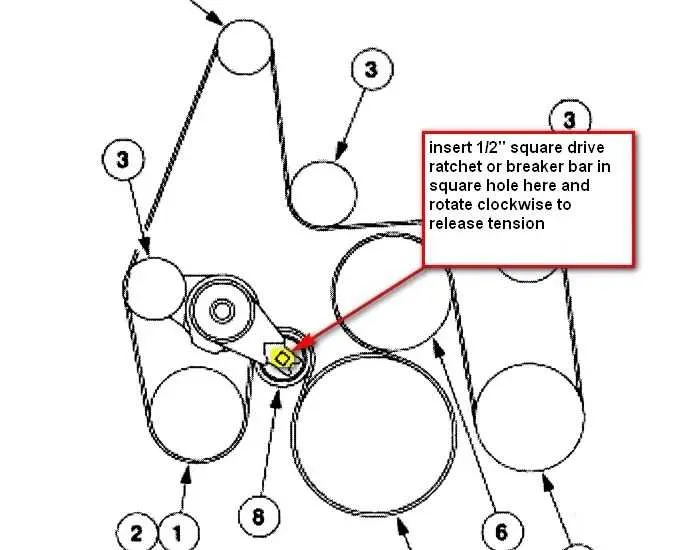
To replace the belt, first, locate the tensioner pulley, which can be adjusted to relieve tension on the belt. Use the appropriate tools to release the tension and remove the old belt. Install the new belt by following the diagram, ensuring it loops around the correct pulleys in the correct order. Always check the belt’s alignment and ensure proper tension after installation to prevent issues.
Inspect the belt for signs of wear such as cracks, fraying, or glazing. If any of these are present, the belt should be replaced immediately to avoid damage to the engine components. Regular maintenance and inspection of the belt system extend the lifespan of the engine and its accessories.
How to Properly Install the Belt on a 6.7 Powerstroke Engine
Start by disconnecting the negative battery terminal to avoid any electrical issues. Then, remove any components obstructing the access to the belt, such as the intake tube or air filter housing. Make sure you have the proper belt size and routing diagram before proceeding.
Loosen the tensioner using a socket wrench. Rotate it counterclockwise to relieve tension on the belt. Carefully remove the old belt, noting its path for reference. If the belt appears worn or damaged, replace it with a new one of the same specifications.
Route the new belt according to the diagram for the 6.7 Powerstroke engine. Ensure that the belt fits into each pulley correctly, without any slack or misalignment. Double-check that the ribbed side of the belt is aligned with the grooves of the pulleys.
Once the belt is in place, slowly release the tensioner, allowing it to apply proper tension on the new belt. Verify the belt is properly seated and aligned across all pulleys. Spin the pulleys by hand to check for any unusual resistance or movement.
Reconnect the battery terminal and start the engine. Observe the belt’s operation at idle to ensure it runs smoothly without any squeaks or slippage. If any issues are noticed, recheck the installation for misalignment or improper tension.
Common Belt Issues in the 6.7 Powerstroke and Their Fixes
Slipping Belt: A common issue is a slipping belt, which can result from excessive wear or incorrect tension. To fix this, check the belt tensioner and replace it if it no longer maintains proper tension. If the belt is cracked or glazed, replace it with a new one that matches the manufacturer’s specifications.
Chattering Noise: If you hear a chattering noise from the belt area, it may indicate that the belt is misaligned or there’s an issue with the pulley system. Inspect the pulleys for damage or wear, and replace any defective pulleys. Also, verify that the belt is routed according to the diagram to ensure proper alignment.
Cracking or Fraying: A cracked or frayed belt is a clear sign that the belt is deteriorating. If you notice visible damage, replace the belt immediately. Inspect the pulleys and tensioner as well, as they may be causing undue wear on the belt.
Loose Belt: If the belt feels loose, it could be a problem with the tensioner or a worn-out belt. First, check the tensioner’s spring for fatigue. If it’s not applying enough pressure to keep the belt tight, replace the tensioner. If the belt is worn, it should be replaced as well.
Pulley Misalignment: Misaligned pulleys can cause the belt to wear unevenly, leading to premature failure. Inspect all pulleys for alignment using a straight edge. If a pulley is out of alignment, it may need to be adjusted or replaced to ensure smooth operation of the belt system.
Understanding the Role of Each Belt in the 6.7 Powerstroke Engine System
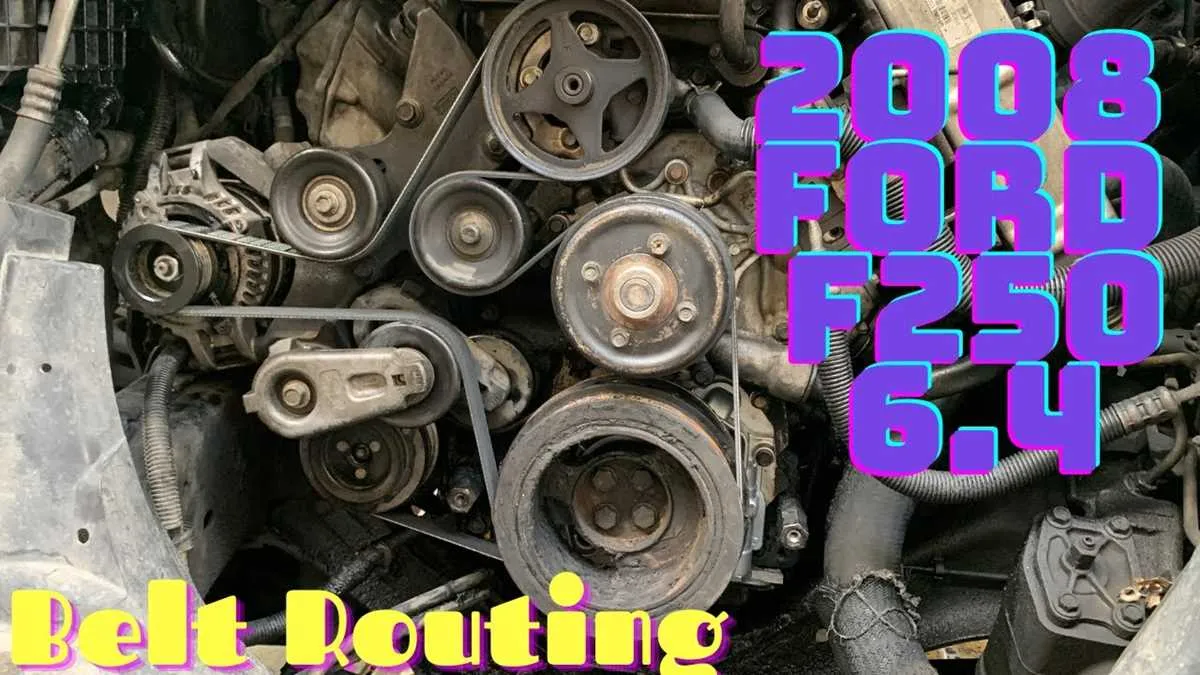
The 6.7 Powerstroke engine relies on multiple belts to drive key components, ensuring optimal performance and functionality. The primary belts include the serpentine belt, the accessory drive belt, and the timing belt. Each belt has a distinct function that contributes to the engine’s operation.
Serpentine Belt: The serpentine belt is the main belt responsible for driving the alternator, power steering pump, water pump, air conditioning compressor, and other vital accessories. Its routing is designed to ensure smooth power transfer from the engine’s crankshaft to these components. A worn-out serpentine belt can result in a loss of accessory function, leading to potential engine overheating or power steering failure.
Accessory Drive Belt: This belt drives specific components like the air conditioning compressor and alternator. In some cases, it works in tandem with the serpentine belt, but when it’s independent, its failure will impact specific accessories only. Regular inspection is key to prevent sudden breakdowns and loss of power to crucial systems.
Timing Belt: The timing belt ensures the synchronization of the engine’s camshaft and crankshaft. This synchronization allows for precise timing in valve movement, keeping the engine’s combustion process running smoothly. If the timing belt fails or slips, it can cause severe engine damage, including bent valves or piston damage.
Proper maintenance of each belt is vital to avoid costly repairs and maintain the engine’s performance. Regular inspections and replacements as per the manufacturer’s recommended intervals will help prevent belt failures and extend the life of your 6.7 Powerstroke engine.