6.4 Powerstroke Single Alternator Belt Diagram for Engine Maintenance
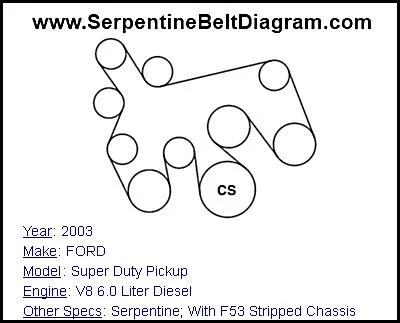
If you’re working on a 6.4 Powerstroke engine with a single alternator setup, understanding the belt diagram is key for smooth operation. The serpentine belt routes through several pulleys, powering various components like the alternator, power steering pump, and air conditioning compressor. Ensuring the correct path of the belt is critical for maintaining proper engine function and avoiding unnecessary wear.
The belt diagram for the single alternator configuration is straightforward. It features a specific path to minimize friction and ensure that each component receives the right amount of power. Pay attention to the tensioner pulley, as it maintains the correct tension for the serpentine belt, preventing slipping or damage to the engine components.
Make sure to check the belt for any signs of wear, such as cracks or fraying, and replace it if necessary. A well-maintained belt not only extends the life of the engine components but also improves overall performance. Refer to the diagram for the correct orientation of the belt, ensuring that the pulleys are aligned properly to avoid any operational issues.
Powerstroke Belt Diagram Single Alternator
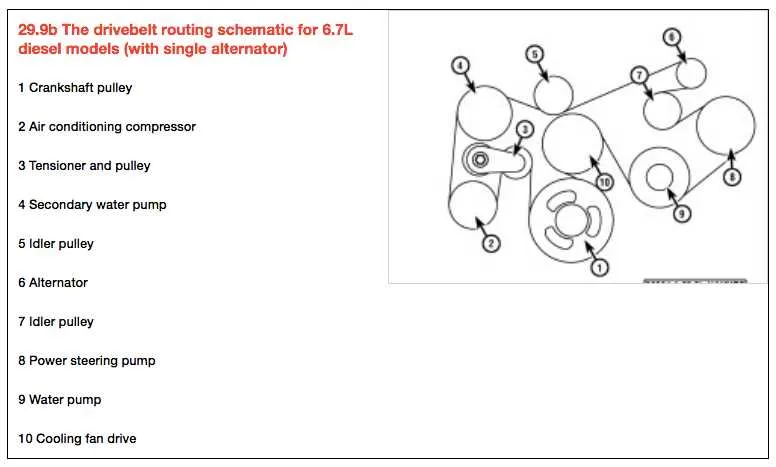
The belt diagram for the 6.4 Powerstroke with a single alternator should be followed precisely to avoid incorrect belt routing, which can lead to performance issues or damage. To ensure proper installation, follow these steps:
- Start by positioning the serpentine belt around the crankshaft pulley.
- Route the belt over the water pump pulley.
- Place the belt over the power steering pump pulley and alternator pulley.
- Ensure the belt is correctly routed around the tensioner pulley and idler pulley.
- Finally, confirm the belt is tight and securely fitted across all pulleys.
Refer to the diagram for the exact routing and placement of each pulley component. Verify the belt tension after installation. An incorrectly tensioned belt may slip, leading to electrical and mechanical failures.
If you have doubts or run into difficulties, consult the service manual for your 6.4 Powerstroke for the specific torque settings and recommended tools to use during installation.
Understanding the Belt Routing for Single Alternator Setup
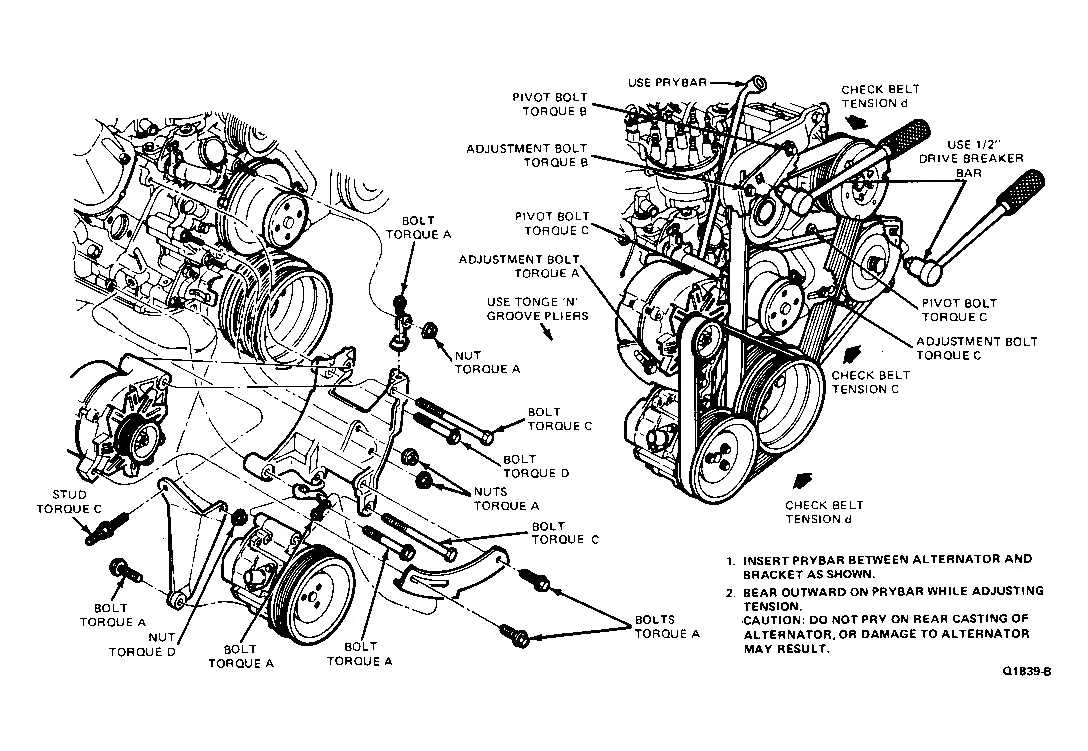
For a 6.4 Powerstroke engine with a single alternator, the belt routing is relatively straightforward but requires attention to detail. The serpentine belt should route over the crankshaft pulley, then move up to the tensioner. From there, it travels to the water pump, followed by the idler pulley, and finally wraps around the alternator pulley. Ensure that the belt runs smoothly without any sharp angles or excessive tension.
Start by positioning the belt around the crankshaft, making sure it fits snugly into the grooves. Then, route it through the tensioner and water pump pulleys. The tensioner will adjust the belt’s tension, so ensure it moves freely. Make sure the belt is aligned correctly to prevent slippage or wear on the components.
After routing the belt through the water pump, check that it loops over the idler pulley before reaching the alternator. The alternator should be positioned so that the belt is tight enough to power it efficiently but not so tight that it causes excessive strain on the tensioner. Proper alignment across all pulleys is key to maintaining belt life and optimal performance.
Finally, double-check the belt tension before running the engine. If the belt is too loose, it may slip, causing charging issues. If it’s too tight, it could cause premature wear on the alternator and other components. Make small adjustments as needed to maintain a balance between proper tension and smooth operation.
Common Issues with Belt Alignment and How to Fix Them
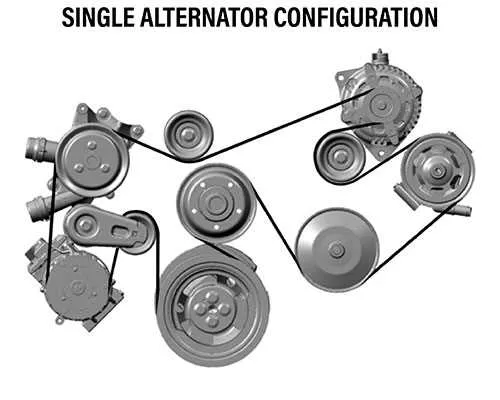
If your 6.4 Powerstroke’s belt is misaligned, it can cause wear, premature failure, or poor engine performance. Check the alignment of your belt as part of regular maintenance to prevent these issues.
Misaligned Pulley: A misaligned pulley can cause the belt to ride off-center, leading to uneven wear. Check the pulleys for wear or damage. Use a straightedge to verify the alignment. If the pulley is worn or out of alignment, replace it.
Incorrect Tension: Too much tension or too little can both cause belt misalignment. Too much tension can cause the belt to slip, while too little can result in a loose belt that doesn’t properly engage. Use a tension gauge to verify the correct tension as per manufacturer specifications and adjust accordingly.
Worn or Broken Idler Pulley: A worn or damaged idler pulley can disrupt the belt’s smooth movement. Inspect the idler pulley for signs of wear or cracks. If the pulley is damaged, replace it to restore proper function.
Improper Installation: Incorrect belt installation can cause misalignment. Always follow the specific routing diagram for your vehicle, ensuring the belt is installed correctly on all pulleys. Double-check the alignment after installation to avoid issues later.
Debris Buildup: Debris on the pulleys or belt can cause uneven wear and misalignment. Regularly clean the pulleys and belt with a damp cloth to prevent buildup that can affect the belt’s function.
Regular inspection of the belt, pulleys, and tensioner system ensures optimal performance. Addressing these common issues early can save time and money on costly repairs down the road.
Tools Required for Replacing the Belt on 6.4 Powerstroke
For replacing the belt on a 6.4 Powerstroke engine, you will need the following tools:
1. Socket Set: A complete socket set with both metric and standard sizes is necessary. A ratchet wrench with extensions will help in reaching tight spots around the engine.
2. Belt Tensioner Tool: The belt tensioner on the 6.4 Powerstroke engine requires a special tool to release tension. This tool will allow you to move the tensioner pulley without damage.
3. Torque Wrench: To properly secure the bolts, a torque wrench is critical. Follow the manufacturer’s specifications for torque settings to ensure the belt pulleys are properly aligned.
4. Pry Bar: A pry bar is useful for removing the old belt if it is stuck. Use it carefully to avoid damaging the pulleys.
5. Pulley Removal Tool: In case any pulleys need replacement or adjustment, this tool will allow for safe and efficient removal.
6. Screwdrivers: A set of screwdrivers (flathead and Phillips) will be handy for removing covers or components that block access to the belt.
7. Flashlight: Adequate lighting is important for working in the engine compartment. A flashlight or work light will help you see the belt routing and the pulleys clearly.
8. Work Gloves: Protect your hands from sharp edges and debris while working in the engine area with a pair of durable work gloves.
Ensure all tools are ready and organized before starting the replacement process. Having these tools on hand will make the procedure quicker and more efficient.