Belt Diagram for Maytag Dryer How to Understand and Fix Belt Issues
If your Maytag dryer is making unusual noises or failing to spin properly, the problem may lie with the belt. Understanding the belt diagram can help you identify issues and make the necessary repairs. This guide walks you through the belt layout, showing you how the components interact and where to look for possible faults.
The belt in a Maytag dryer is responsible for rotating the drum during operation. A worn or broken belt will prevent the drum from turning, and you may notice your dryer is either not spinning or making a loud, slapping noise. To diagnose the issue, refer to the belt diagram specific to your dryer model to ensure correct reassembly when replacing or inspecting the belt.
Begin by locating the belt’s path through the various pulleys and the motor. The tensioner pulley plays a key role in maintaining the correct tightness of the belt. If the tension is too loose, the drum won’t rotate; too tight, and it could cause wear or motor strain. The belt diagram will provide the exact routing, helping you avoid errors during reassembly and ensuring a smooth, efficient repair process.
Checking the belt involves inspecting it for any visible signs of damage, such as fraying or breakage. In many cases, replacing the belt will restore full functionality to your dryer. Be sure to follow the diagram carefully and ensure the new belt is properly aligned with all pulleys and the motor shaft for optimal performance.
Belt Diagram for Maytag Dryer
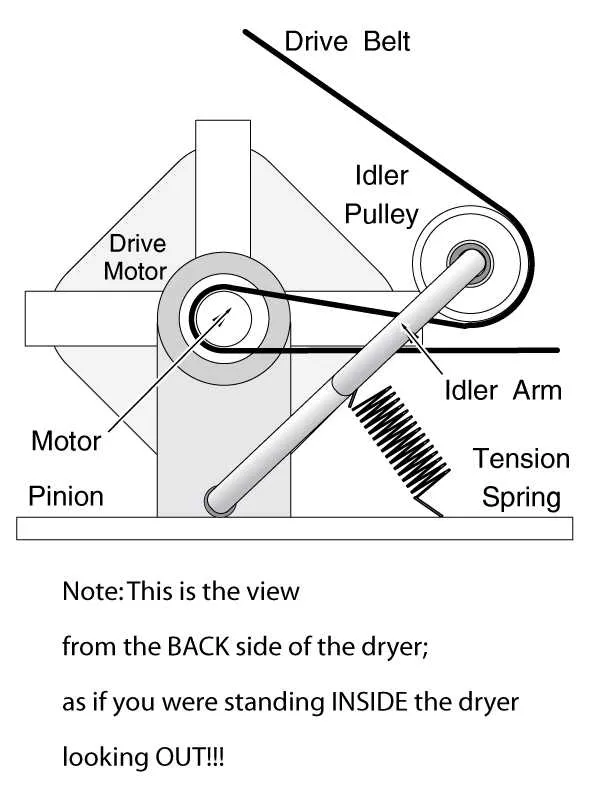
To correctly install or replace the belt on your Maytag dryer, refer to the specific belt diagram for your model. This diagram ensures proper alignment and avoids damage to components like the motor and drum. For most Maytag dryer models, the belt runs over the idler pulley, around the motor pulley, and over the drum.
Here’s how you can follow the diagram step-by-step:
1. Position the belt over the drum. Ensure it sits securely in place.
2. Route the belt over the idler pulley. The pulley applies tension, keeping the belt taut.
3. Guide the belt onto the motor pulley, ensuring the motor is positioned correctly within the housing.
4. Check the belt’s path for any twists or misalignment before reassembling the dryer.
After following the diagram, rotate the drum manually to confirm the belt moves smoothly without obstruction. If there’s excessive slack, adjust the idler pulley for proper tension. If the belt feels too tight, reposition the idler pulley slightly for better movement.
By using the right belt diagram, you ensure your Maytag dryer operates optimally, saving you time and repair costs. Always double-check the model number to confirm compatibility with the belt and diagram. If the belt looks worn or damaged, replacing it with a genuine Maytag part will improve performance and extend the lifespan of your appliance.
How to Interpret the Belt Diagram for Maytag Dryer Models
The belt diagram for your Maytag dryer shows the exact path the drive belt follows to power the drum. Understanding it helps during installation or troubleshooting. The key is knowing how the belt loops around pulleys, tensioners, and the motor shaft. Follow these steps to interpret the diagram correctly:
First, locate the diagram on the dryer’s door or inside the service panel. The diagram typically shows a side view of the drum and the components involved in the belt mechanism. Pay close attention to the direction of the arrows indicating belt movement.
Next, identify the components: motor pulley, tensioner, and drum pulley. The belt usually wraps around the motor pulley, through the tensioner, and around the drum pulley. The tensioner keeps the belt tight to ensure proper functioning.
If the belt is broken or loose, follow the diagram to reinstall or replace the belt in the correct order. Make sure to route the belt around the pulleys in the specified direction. The diagram often includes specific instructions for reassembling the components to avoid mistakes.
When troubleshooting, the diagram can help you verify if the belt has slipped off or become misaligned. Check the path shown and compare it to the current state of your dryer to spot any discrepancies.
Use the belt diagram as a reference for proper maintenance. This will extend the life of your Maytag dryer and prevent unnecessary repairs. Always double-check the belt tension and alignment before closing the service panel. Regular inspection ensures optimal performance.
Common Belt-Related Issues in Maytag Dryers and How to Identify Them
If your Maytag dryer isn’t drying clothes efficiently or making strange noises, a worn-out or damaged belt might be the culprit. Here are some of the most common belt-related issues you may encounter and how to identify them.
1. Broken or Snapped Belt
A broken belt can prevent the drum from turning, which means clothes won’t dry properly. You’ll usually notice that the dryer runs, but the drum doesn’t spin. To confirm, open the door and manually spin the drum. If it doesn’t move, the belt is likely broken. Check the belt for any visible signs of wear or breakage.
2. Slipping Belt
If the dryer is noisy or the drum spins slowly, the belt might be slipping due to wear. A slipping belt doesn’t have enough grip to turn the drum at the proper speed. To check, observe the drum while the dryer is running. If it starts spinning intermittently or at a reduced speed, it’s time to replace the belt.
3. Belt Misalignment
A misaligned belt can cause uneven drum rotation and lead to more wear on the belt and the motor. If you notice your dryer vibrating excessively or producing an uneven noise, it could be due to the belt shifting out of place. Check for any misalignment or twisting of the belt as it moves along the pulleys.
4. Worn or Frayed Belt
Over time, belts naturally wear down and may begin to fray. If you hear a high-pitched squealing sound, it’s often a sign that the belt is starting to fray. Inspect the belt for any visible damage, such as cuts, frays, or cracks. A frayed belt will eventually snap if not replaced in time.
5. Overheating Belt
Excessive heat can cause the belt to deteriorate more quickly. If your dryer is getting too hot or overheating, it could damage the belt, causing it to stretch or break. Check the dryer’s temperature settings and ensure proper ventilation. If overheating persists, inspect the belt for signs of stretching or melting.
6. Improper Tension
Too much or too little tension on the belt can affect its performance. If the belt is too tight, it may strain the motor or cause unnecessary friction. If it’s too loose, the drum won’t spin at full capacity. To check the tension, see if the belt can be easily pushed down or pulled up in the middle of the dryer. It should have some give, but not too much.
Regularly inspect your dryer belt for these issues and replace it as needed to keep your Maytag dryer running smoothly. If you’re unsure or uncomfortable with belt replacement, it’s a good idea to consult a professional technician.
Step-by-Step Guide to Replacing the Belt in a Maytag Dryer Using the Diagram
Locate the belt diagram for your specific Maytag dryer model. This will show the correct path for the new belt installation. Before starting, unplug the dryer and make sure it’s not connected to any power source.
Remove the dryer’s front panel to access the drum. Depending on your model, you may need to unscrew a few bolts to detach the front. Once the front panel is off, lift the drum slightly to relieve tension from the existing belt.
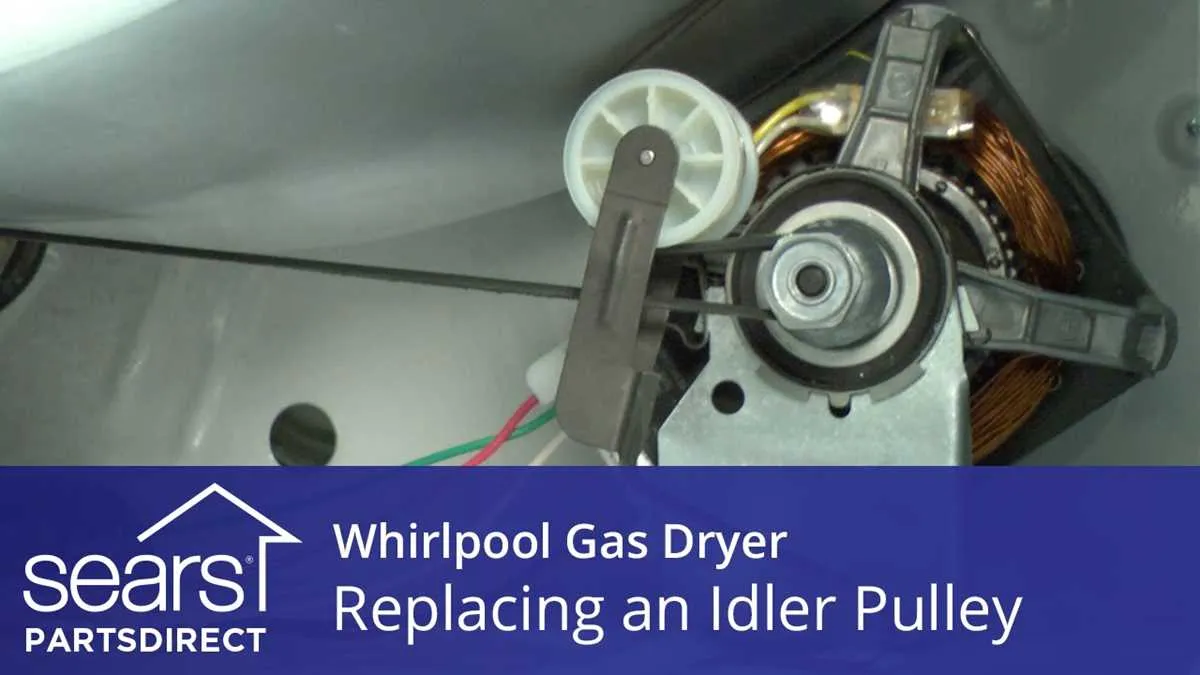
Take the old belt off by sliding it out from around the motor pulley and idler pulley. Use the diagram as a guide to see the correct positioning of the belt around these components. If the idler pulley or motor pulley is damaged, now is the time to replace them.
Place the new belt around the drum. Ensure it follows the exact path as shown in the diagram, making sure it is seated properly on all pulleys. Pay attention to the direction the belt should face, as it can make a difference in how it functions.
Once the belt is in place, carefully lower the drum back into position. Reattach the front panel and secure it with screws. Ensure all connections are tight and the drum spins freely without obstruction.
Test the dryer by plugging it in and running a short cycle. Check the belt alignment and listen for any unusual sounds that might indicate improper installation. If everything runs smoothly, the replacement is complete.