2011 Nissan Altima Belt Diagram and Routing Guide
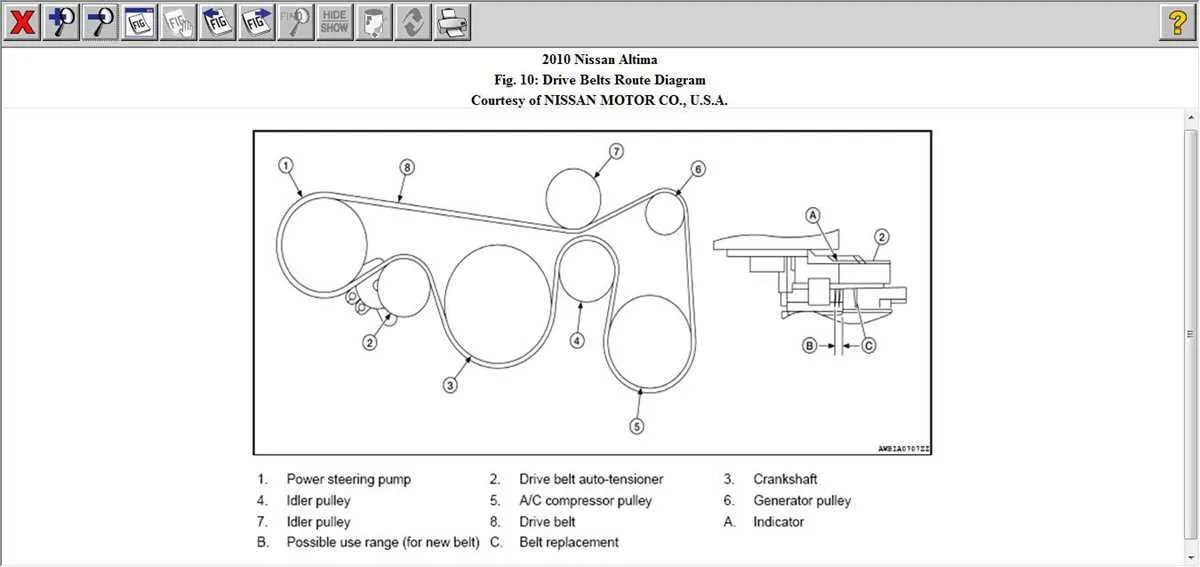
The 2011 Nissan Altima belt diagram is a crucial tool for understanding the serpentine belt routing and ensuring proper engine function. This diagram shows the exact path the belt takes, from the crankshaft pulley to the alternator, air conditioning compressor, and other components. If you’re replacing or inspecting the serpentine belt, referring to this diagram will prevent incorrect installation and avoid damage to engine components.
The serpentine belt in the 2011 Altima is responsible for powering several key engine accessories, including the alternator, power steering pump, water pump, and air conditioning compressor. If the belt breaks or slips, it can lead to significant engine issues. Regular inspections and timely replacements are critical for maintaining optimal vehicle performance.
Ensure the new serpentine belt matches the length and specifications shown in the diagram. This ensures proper tension and alignment, which reduces wear on the belt and prevents premature failure. If you’re unsure, consult the vehicle’s service manual for detailed belt specifications or seek professional assistance for the replacement process.
2011 Altima Belt Diagram
The 2011 Nissan Altima uses a serpentine belt system that powers several key components of the engine, including the alternator, power steering pump, air conditioning compressor, and the water pump. This system ensures all these parts operate smoothly and reliably. Below is a detailed look at the belt routing and maintenance for this vehicle.
Serpentine Belt Routing
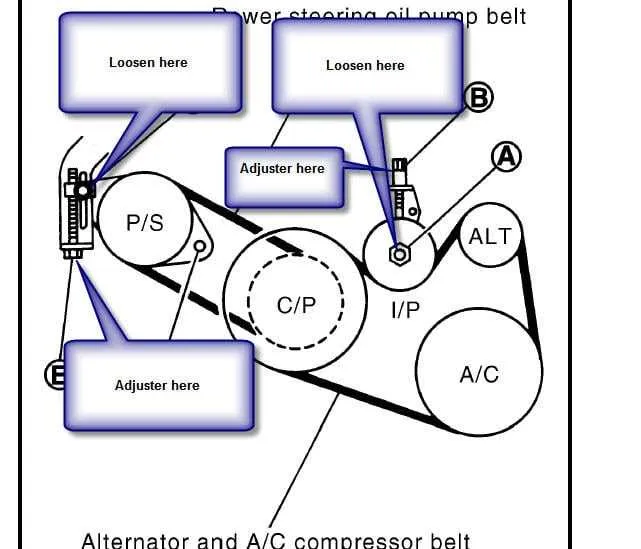
The serpentine belt for the 2011 Altima follows a specific route across various pulleys to connect the engine’s accessories. To replace or inspect the belt, follow this routing:
- The belt wraps around the crankshaft pulley first.
- It then travels to the tensioner pulley, which ensures the correct belt tension.
- The belt moves across the water pump pulley, powering it.
- It continues to the alternator pulley, supplying electricity to the car’s electrical system.
- The belt also runs to the power steering pump pulley and the air conditioning compressor pulley.
Maintenance Recommendations
Regular inspection of the serpentine belt is crucial to prevent unexpected breakdowns. Look for signs of wear, such as cracks, fraying, or glazing. If the belt is damaged or loose, replace it immediately to avoid further damage to the engine’s components.
Common Issues
Some common problems with the serpentine belt in the 2011 Altima include:
- Worn-out or cracked belt: Check the belt for visible damage or signs of excessive wear.
- Loose or misaligned belt: A misaligned belt can cause squeaking sounds or inefficient operation of components.
- Faulty tensioner: A failing tensioner can lead to poor tension, causing belt slipping or failure.
To avoid these issues, replace the belt every 60,000 to 100,000 miles, depending on your driving conditions and manufacturer’s recommendation.
How to Identify the Correct Serpentine Belt for 2011 Nissan Altima
To identify the correct serpentine belt for your 2011 Nissan Altima, first check the engine specifications. The Altima uses different belts depending on whether it is equipped with a 2.5L or 3.5L engine. For the 2.5L model, the belt should be 84.5 inches long, while the 3.5L engine requires a belt that is 85.8 inches long.
Next, inspect the belt’s rib count. The correct serpentine belt for these engines will have six ribs for the 2.5L engine and seven ribs for the 3.5L engine. If you are replacing the belt, always use the exact rib count to ensure proper tension and function.
Make sure the belt matches the correct part number for your model year. You can cross-check the part number in the owner’s manual or by visiting an authorized Nissan dealer. Alternatively, parts retailers provide compatibility guides based on your car’s VIN.
If you are unsure, consider using the factory-installed belt as a reference. The old belt will often have wear marks or part numbers that can help confirm the right size and specifications for your replacement. Always inspect the belt for damage or cracking before replacement.
Lastly, if you are purchasing a new belt, choose a reputable brand that specifies compatibility with the 2011 Nissan Altima’s engine model. Avoid generic or off-brand belts that may not meet the original performance standards.
Step-by-Step Guide to Routing the Serpentine Belt on a 2011 Altima
To route the serpentine belt on a 2011 Nissan Altima, start by ensuring the engine is off and cool. Open the hood and locate the serpentine belt diagram, which is usually found on the engine compartment. If the diagram is missing, you can use online resources or repair manuals specific to the vehicle.
Use a ratchet or serpentine belt tool to relieve tension on the belt tensioner. Rotate the tensioner pulley counterclockwise to release tension, allowing you to remove the old belt. Take note of the belt’s routing pattern before removal, as it will guide the installation of the new belt.
Once the old belt is removed, begin routing the new belt around the pulleys. Start from the crankshaft pulley, passing the belt over the alternator, power steering pump, and air conditioning compressor pulleys, following the pattern indicated on the diagram. Make sure the belt is aligned with all the grooves on each pulley.
Once the belt is routed correctly, slowly release the tensioner, allowing it to apply tension to the new belt. Ensure the belt sits properly on all pulleys, and check for any slack or misalignment.
Finally, rotate the engine manually by hand to ensure the belt moves smoothly and doesn’t slip off. Close the hood and start the engine to verify that the belt operates correctly without any squealing or abnormal noise.
Common Issues with the Serpentine Belt on 2011 Nissan Altima
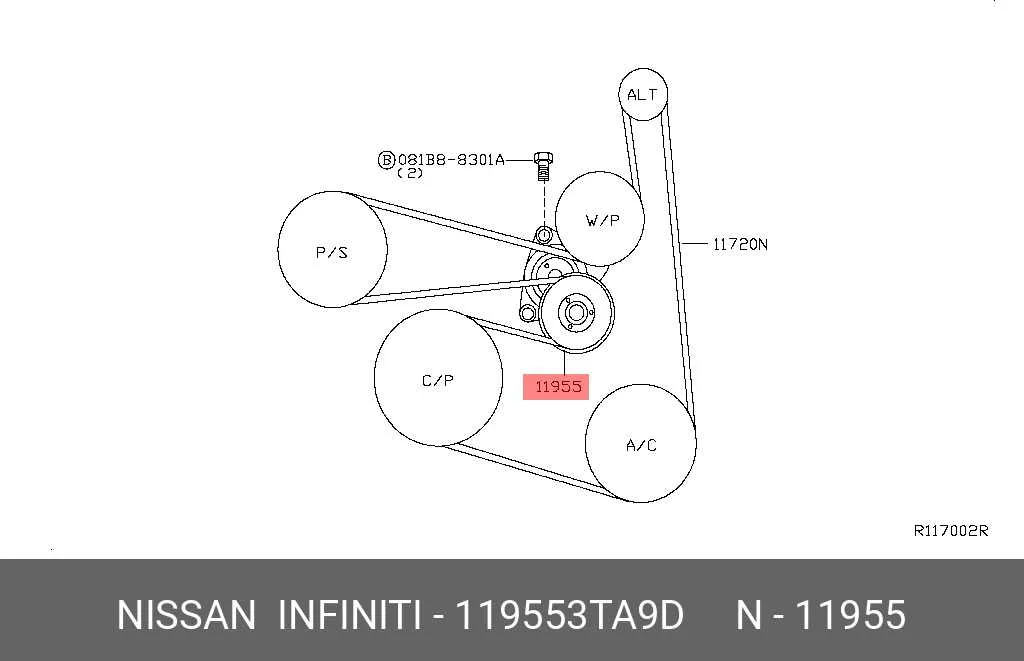
Worn or damaged serpentine belts can lead to various engine problems. On the 2011 Nissan Altima, some common issues include cracking, fraying, and stretching. These problems can affect the belt’s performance and cause it to slip off or break.
If you notice squealing noises coming from the engine, it’s often a sign that the serpentine belt is slipping or misaligned. This may happen due to wear on the belt or due to an issue with the pulleys. Check the tension and alignment of the belt and pulleys to avoid this issue.
Another issue is the loss of tension, which can occur if the belt stretches over time. A loose belt may not turn the pulleys effectively, causing engine components like the alternator or power steering to malfunction. Regular inspection and replacement of the belt can prevent this problem.
Overheating can also occur if the belt is slipping or worn. Inadequate power to the water pump can cause the engine to overheat, so replacing the belt before it fails completely is crucial to prevent further damage.
Finally, if the serpentine belt appears shiny or smooth in certain areas, it may be slipping or experiencing excessive wear. Regular checks can catch this early, saving you from unexpected breakdowns.