2005 Nissan Altima Serpentine Belt Diagram and Routing Guide
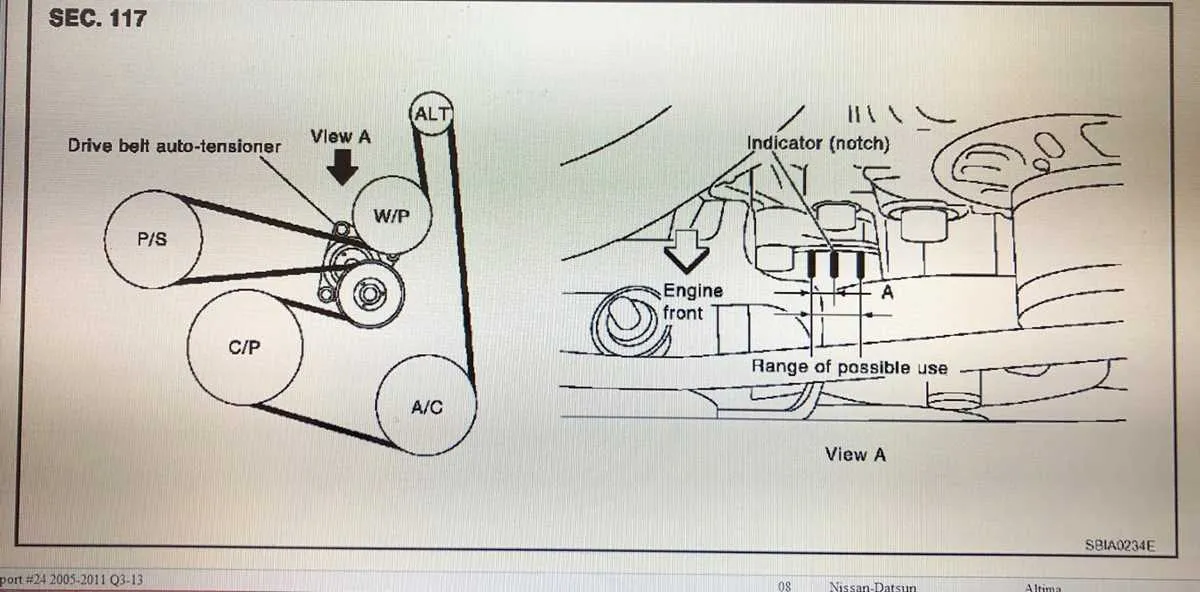
Check the routing of the serpentine belt carefully before starting any maintenance. On the 2005 Nissan Altima, the belt drives the alternator, power steering pump, and air conditioning compressor simultaneously. Incorrect alignment can cause slipping, premature wear, or damage to accessories.
Use the diagram specific to your engine type: 2.5L four-cylinder or 3.5L V6. Each layout differs in tensioner placement and pulley configuration. Verify the belt length matches your vehicle’s specifications and inspect for cracks, fraying, or glazing along the surface.
Release tension using the tensioner tool at the indicated location, following the path shown on the diagram. Align the belt on each pulley as marked, ensuring the ribbed side seats correctly in grooved pulleys. Tighten the tensioner gradually while rotating the crankshaft by hand to confirm smooth movement.
Regularly inspect the serpentine belt every 30,000 miles or during routine service. Replacing a worn belt before failure prevents breakdowns and protects the engine components connected to it. Keep a reference diagram in your vehicle for quick checks or future replacements.
Serpentine Belt Diagram 2005 Nissan Altima Detailed Layout and Maintenance
Install the serpentine belt following the exact routing shown in the 2005 Nissan Altima diagram. Begin at the crankshaft pulley, looping around the alternator, tensioner, A/C compressor, and power steering pump as indicated. Ensure each groove aligns precisely with the pulleys to avoid slipping or uneven wear.
Check belt tension using a tension gauge or by pressing on the longest span. Proper tension prevents squealing and premature damage. Adjust the automatic tensioner by releasing it slowly to apply consistent pressure across the belt.
Inspect the belt for cracks, fraying, or glazing along the edges. Replace the belt immediately if any damage is present, as failure can cause engine overheating or loss of power steering. Recommended replacement interval is approximately 60,000 to 100,000 miles, depending on driving conditions.
Clean the pulleys with a non-abrasive cloth to remove dirt and debris before installing a new belt. Lubricate the tensioner pivot lightly if it shows signs of stiffness. After installation, rotate the engine manually to confirm the belt follows the correct path without interference.
Regular maintenance includes checking alignment, tension, and wear every 10,000 miles. Maintaining the correct routing and tension ensures optimal performance of the alternator, A/C compressor, and power steering system, preventing unexpected breakdowns and extending belt life.
Identify All Pulleys and Routing for the 2005 Altima Serpentine Belt
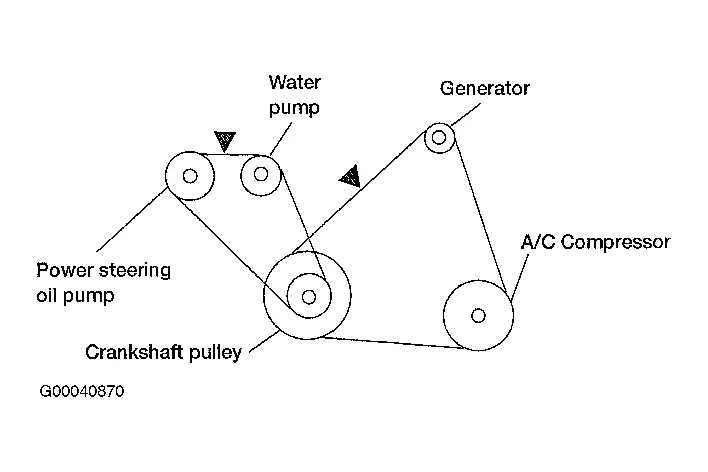
Begin by locating the crankshaft pulley at the bottom center of the engine; this drives the entire belt system. From the crankshaft, route the belt around the water pump pulley positioned above and slightly to the right. Continue the belt upward to the alternator pulley on the upper left, ensuring it seats correctly in the grooves.
Next, guide the belt around the idler pulley located near the top center; this maintains proper tension across the system. Direct the belt toward the power steering pump pulley on the right side, checking that it aligns with all pulley grooves. Route the belt down to the A/C compressor pulley at the lower right, making certain the belt sits fully in the grooves to avoid slippage.
Finally, loop the belt over the tensioner pulley located near the front center. Use a wrench to rotate the tensioner, allowing the belt to slip over smoothly, then release to apply correct tension. Double-check that the belt follows the exact path over all pulleys, maintaining correct alignment and contact with each groove for optimal operation.
Check Belt Tension and Replace Worn Components Safely
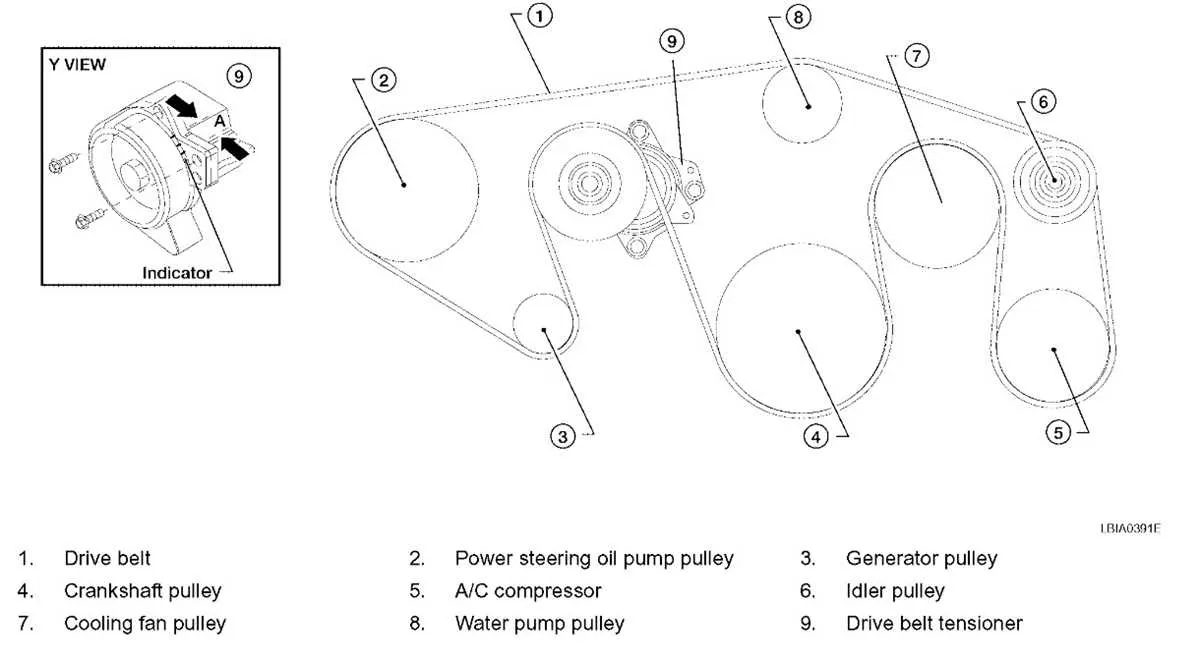
Inspect the serpentine belt for cracks, fraying, or glazing before any adjustment. Use a belt tension gauge to measure the tension at the midpoint between pulleys. For the 2005 Nissan Altima, tension should typically allow about 1/2 inch of deflection under moderate thumb pressure on the longest span.
If the belt shows visible wear or the deflection exceeds the recommended limit, replace it immediately. Loosen the tensioner by turning it clockwise with a wrench, remove the old belt, and route the new belt according to the factory diagram. Ensure each pulley groove aligns precisely with the belt ribs to prevent slipping.
Check the tensioner and idler pulleys for smooth rotation and excessive play. Replace any pulley that feels rough or wobbles, as these can accelerate belt wear. After installing the new belt, release the tensioner slowly and recheck belt alignment and deflection. Run the engine for a few minutes, then inspect the belt path again for correct positioning and proper tension.
Always wear gloves and eye protection while working near the engine. Avoid forcing the belt over pulleys, and never use a damaged belt or pulley, as this can cause sudden failure and engine damage.
Troubleshoot Common Belt Issues and Noises on the Altima
Inspect the serpentine belt for cracks, fraying, or glazing along the ribbed surface. Replace the belt immediately if any visible damage is present, as worn belts can slip or break under load.
Listen for squealing or chirping noises during engine start or acceleration. These sounds often indicate misalignment or insufficient tension. Use a tension gauge to check the belt tension against Nissan specifications and adjust the automatic tensioner if needed.
Check all pulleys for smooth rotation and excessive play. Worn bearings in the alternator, power steering pump, or idler pulleys can create noise or accelerate belt wear. Replace any pulley showing rough movement or vibration.
Examine the belt routing for proper alignment across all pulleys. Misrouted belts can skip grooves and generate squealing. Refer to the 2005 Altima serpentine belt diagram to confirm correct routing.
Look for oil or coolant contamination on the belt surface. Fluids reduce friction, causing slippage and noise. Clean the affected pulleys and replace the belt if contamination is severe.
- Check belt tension and adjust using the automatic tensioner.
- Inspect pulleys for smooth rotation and bearing wear.
- Examine belt surface for cracks, fraying, or glazing.
- Confirm correct belt routing using the diagram.
- Remove oil or coolant from pulleys and replace contaminated belts.
After any adjustments or replacements, start the engine and observe the belt under load. Ensure smooth operation without noise or vibration before completing the inspection.