Diagram and Layout of the 2012 Jeep Patriot 24 Engine Belt Routing and Components
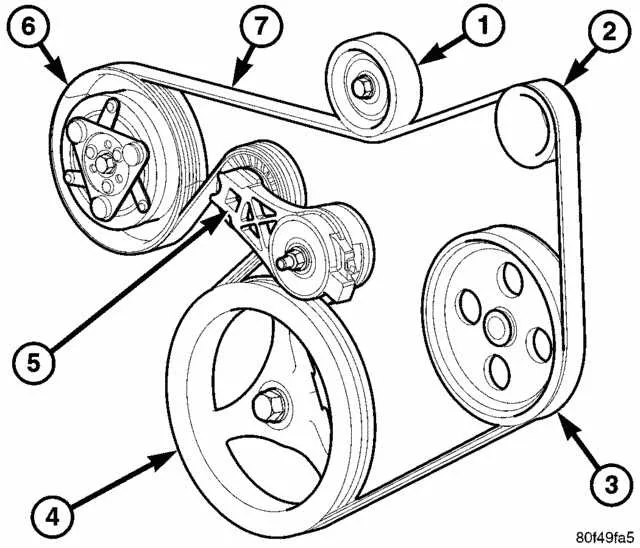
Refer to the detailed belt diagram to correctly install or replace the serpentine belt on the 2012 Jeep Patriot with the 2.4L engine. This diagram highlights the routing around key components such as the alternator, power steering pump, water pump, and crankshaft pulley, ensuring precise alignment and tension.
Follow the routing path shown to avoid misplacement, which can cause premature wear or engine performance issues. The belt wraps around five main pulleys, with the tensioner maintaining proper tension for smooth operation. Pay attention to the tensioner’s position when mounting the belt to prevent slippage.
Use this diagram as a quick reference during maintenance or repairs to save time and reduce errors. Proper belt installation improves accessory function and extends belt life, reducing the risk of breakdowns related to belt failure.
2012 Jeep Patriot 2.4 Belt Diagram
The 2012 Jeep Patriot with a 2.4L engine uses a serpentine belt that drives multiple components including the alternator, power steering pump, and air conditioning compressor. The belt routing starts at the crankshaft pulley and snakes around the idler pulley, tensioner, and accessory pulleys.
Key components on the belt path: the crankshaft pulley at the bottom center, the alternator pulley near the top right, the power steering pump pulley on the upper left, and the tensioner pulley positioned to maintain proper belt tension between these points.
The belt tensioner is spring-loaded and automatically adjusts to maintain correct tension. When replacing the belt, release tension using a wrench on the tensioner pulley arm, then slip the belt off. Follow the exact routing shown in the diagram to avoid misalignment or slippage.
For reference, the belt routing runs clockwise from the crankshaft pulley, moving to the tensioner, then to the power steering pump, around the idler pulley, up to the alternator, and back down to the crankshaft pulley. This sequence ensures smooth operation of all driven accessories.
Check the belt for cracks or glazing during replacement, and always replace with a belt that matches OEM specifications for length and width to maintain performance and longevity.
Identifying the Serpentine Belt Routing for the 2.4L Engine
The serpentine belt on the 2012 Jeep Patriot 2.4L engine runs a specific path that connects key components such as the crankshaft pulley, alternator, power steering pump, and air conditioning compressor. Follow the exact routing to ensure proper operation and avoid belt slippage or premature wear.
Use the following steps to identify the correct belt routing:
- Locate the crankshaft pulley at the bottom center of the engine bay; this pulley drives the belt.
- Trace the belt upwards to the alternator on the upper left side, where it provides charging power.
- From the alternator, the belt wraps around the tensioner pulley, which maintains proper belt tension.
- Next, the belt moves to the power steering pump pulley on the lower right side.
- Finally, the belt crosses over to the air conditioning compressor pulley before returning to the crankshaft pulley, completing the loop.
To double-check routing accuracy, refer to the belt diagram sticker typically placed on the radiator shroud or under the hood near the fuse box. This diagram visually confirms the path and pulley arrangement.
Maintaining proper belt tension is critical. Use a tensioner tool to adjust or replace the belt if it shows cracks, glazing, or fraying. Correct routing paired with proper tension prolongs belt life and keeps accessories functioning smoothly.
Step-by-Step Guide to Replacing the Belt on a 2012 Jeep Patriot
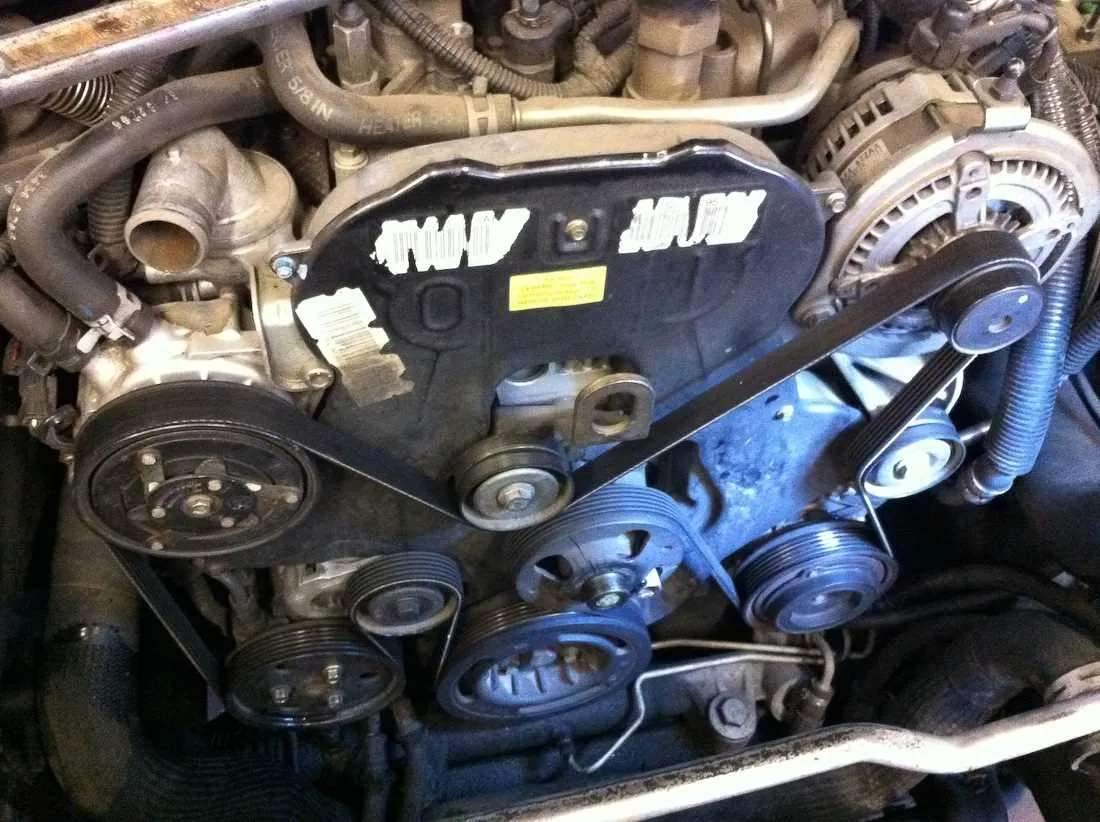
Disconnect the negative battery cable to prevent accidental starts during the process.
Use a 15mm wrench or serpentine belt tool to rotate the tensioner clockwise. This releases tension from the belt, allowing you to slide it off the pulleys. Take a clear photo or sketch the belt routing before removal to ensure accurate reinstallation.
Inspect all pulleys for wear or wobble. Check the tensioner pulley and idler pulley for smooth rotation. Replace any component that shows resistance, noise, or play.
Route the new belt according to the factory diagram. The correct path for the 2.4L engine typically involves the crankshaft pulley, A/C compressor, alternator, water pump, and tensioner. Ensure the belt is seated properly in all pulley grooves.
Apply tension by rotating the tensioner again, then slip the belt over the final pulley. Slowly release the tensioner to apply pressure to the belt.
Double-check alignment on all pulleys. Misalignment can cause premature wear or noise.
Reconnect the battery and start the engine. Observe the belt operation for one to two minutes. Watch for any slippage or abnormal movement.
Troubleshooting Common Belt Issues and Noise Sources
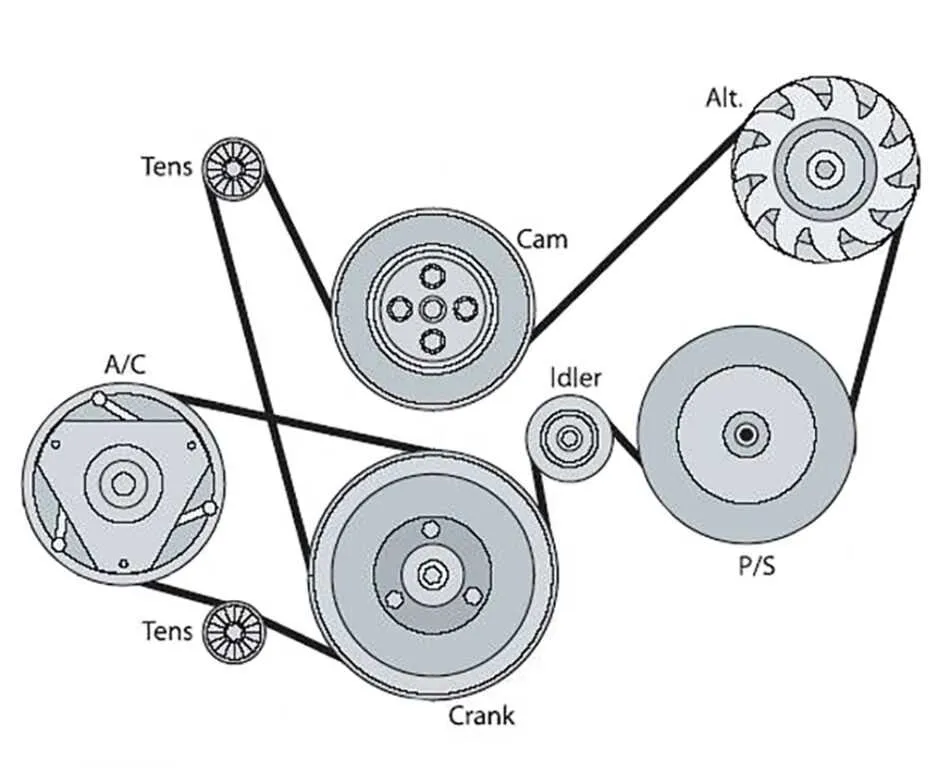
Replace a worn serpentine belt immediately if you notice visible cracks, fraying, or glazing on the ribbed side. These signs often point to imminent failure, especially under load or high RPM.
If you hear a high-pitched squeal during cold starts or acceleration, check belt tension. A loose belt slips over pulleys, causing noise and reduced accessory performance. Use a belt tension gauge to verify spec–on the 2012 Jeep Patriot 2.4L, the automatic tensioner should maintain around 70–90 lbs of force.
Inspect the automatic tensioner for smooth movement and correct alignment. A failing tensioner often causes intermittent chirping or constant squealing, particularly when the engine warms up. Spin the tensioner pulley by hand–it should rotate quietly with no wobble or resistance.
Misaligned pulleys create harmonic whining or rhythmic squeaks. Use a straight edge across multiple pulleys to check alignment. Even slight angular deviation can cause premature wear and noise. Correct by replacing bent brackets or worn mounting bushings.
Check for oil or coolant contamination on the belt surface. Fluids degrade rubber, reducing friction and causing belt slip. Clean affected pulleys with brake cleaner and replace the belt if contamination is extensive.
If noise persists after replacing the belt and verifying alignment and tension, inspect the idler pulley and accessory bearings. Spin each component by hand–roughness or grinding indicates internal wear. Replace noisy components to prevent belt damage.