2012 Jeep Liberty serpentine belt diagram with routing guide and pulley placement
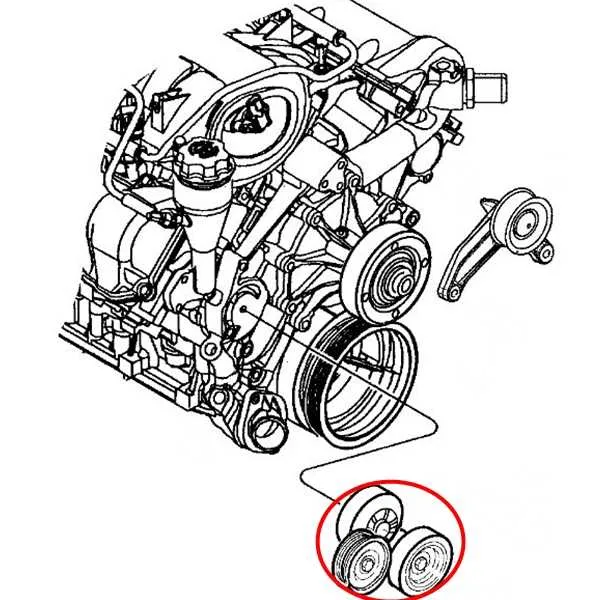
Check the routing diagram before replacing the serpentine belt on a 2012 Jeep Liberty. The belt drives multiple accessories, including the alternator, power steering pump, air conditioning compressor, and water pump. A correct path ensures proper tension and prevents slippage or premature wear.
The diagram shows the belt looping around each pulley in a specific sequence. Start by locating the crankshaft pulley at the bottom, then trace the path across the idler, tensioner, and accessory pulleys. Any mistake in routing can cause the engine to overheat or drain the battery because the water pump and alternator will not function correctly.
Use the belt tensioner to relieve pressure before removal. After routing the new belt according to the diagram, rotate the tensioner again to secure it in place. Double-check alignment on every pulley to avoid edge wear and noise during operation. A clean installation based on the diagram ensures reliable performance and extends the lifespan of the new belt.
2012 Jeep Liberty Belt Diagram
Place the serpentine belt around the crankshaft pulley first to secure the foundation. Then route it over the water pump, alternator, and idler pulleys, keeping the belt flat against the grooves.
- Crankshaft pulley → Water pump → Alternator
- From alternator → Idler pulley → Power steering pump
- From power steering pump → A/C compressor → Tensioner → Back to crankshaft pulley
Check the routing twice before tightening the belt tensioner. A misaligned belt can cause squealing or premature wear. Always rotate the tensioner clockwise with a breaker bar to slip the belt into place without damaging pulleys.
After installation, run the engine for a few seconds and inspect the belt’s position. It should sit evenly within each pulley groove without visible slack or wobbling. Replace the tensioner or idler pulley if you notice noise or uneven wear during inspection.
Belt Routing for Serpentine System
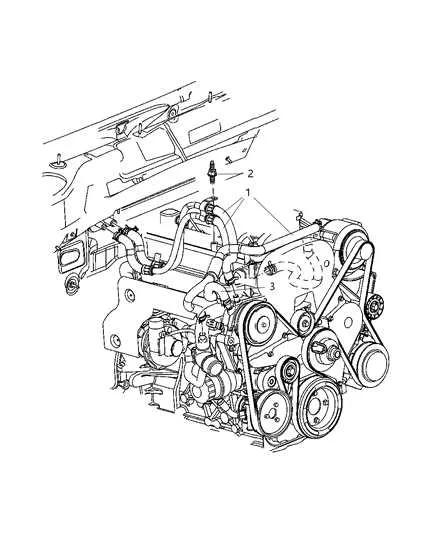
Follow the factory routing path to avoid misalignment and premature wear. The 2012 Jeep Liberty uses a single serpentine belt that drives the alternator, power steering pump, water pump, A/C compressor, and tensioner pulley.
Always check the tensioner position after installation. The belt ribs must sit fully inside each pulley groove without twisting. Apply steady pressure on the tensioner to release slack, then guide the belt over the final pulley, usually the alternator or idler.
| Pulley | Contact Side | Routing Order |
|---|---|---|
| Crankshaft | Ribbed | Start point |
| Power Steering Pump | Ribbed | From crankshaft |
| Alternator | Ribbed | After power steering |
| Idler Pulley | Smooth | After alternator |
| A/C Compressor | Ribbed | After idler |
| Water Pump | Smooth | After A/C |
| Tensioner Pulley | Smooth | Final routing back to crankshaft |
Check belt alignment once the system is fully routed. If the belt runs off-center or squeals at startup, recheck pulley seating and tensioner movement before running the engine.
Identifying Tensioner and Pulley Locations
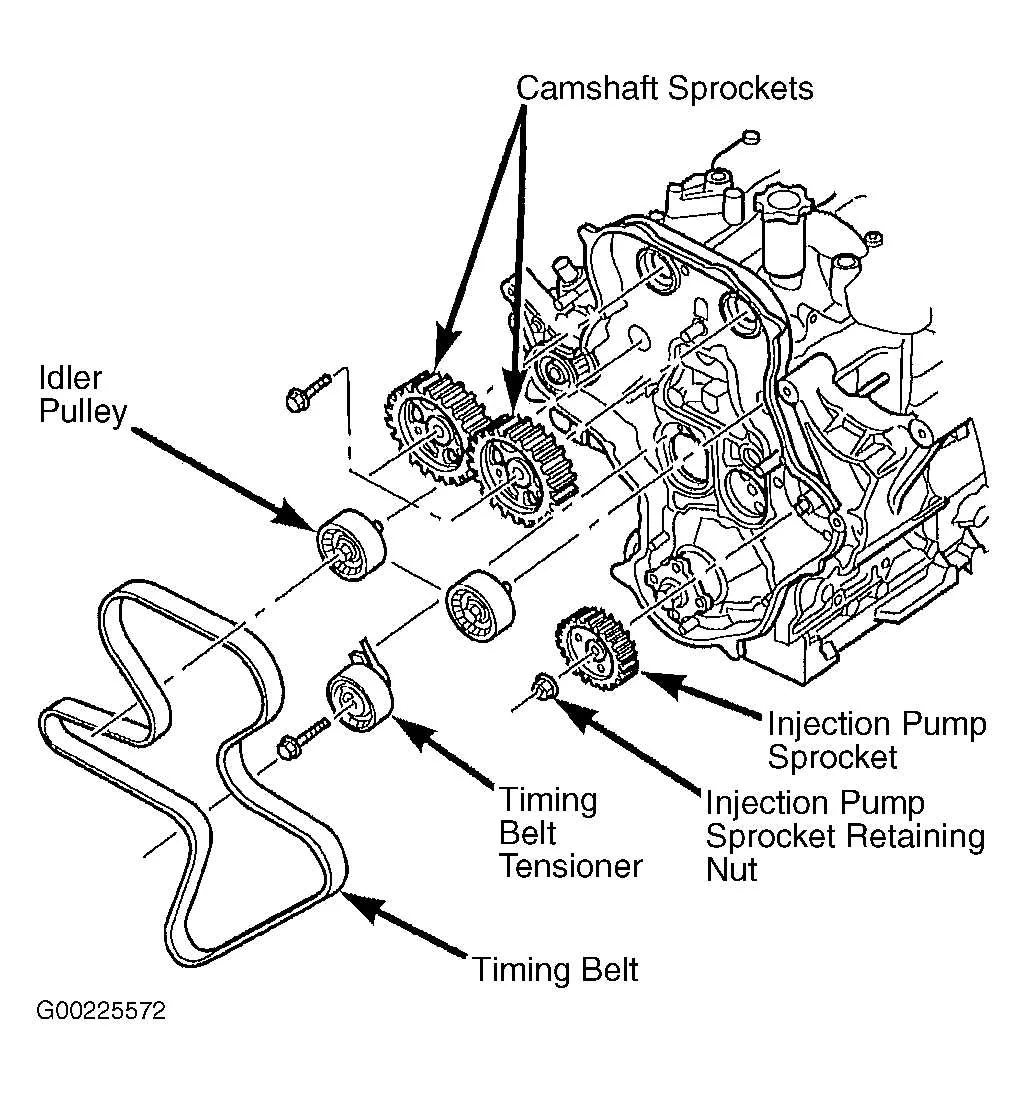
Locate the serpentine belt tensioner on the passenger side of the engine, slightly below the alternator. The tensioner has a spring-loaded arm with a small pulley and a square slot where you can insert a 3/8-inch or 1/2-inch drive tool to release tension.
The idler pulley sits near the center of the front engine cover and serves as a smooth guide for the belt. It does not drive any component but keeps belt alignment steady. Check its surface for smooth rotation without wobble.
The alternator pulley is positioned at the top right, while the power steering pulley is slightly lower and to the left. The air conditioning pulley is at the bottom right, and the crankshaft pulley is the largest, mounted at the bottom center.
Use the tensioner’s square slot to relieve pressure, then route the belt around each pulley according to the diagram under the hood. Verify that the ribs of the belt sit correctly in each groove before releasing the tensioner.
Steps to Replace the Serpentine Belt
Disconnect the negative battery cable to avoid accidental starts during the procedure.
Locate the serpentine belt routing diagram under the hood or make your own sketch before removing the belt. This will help you reinstall it correctly.
Use a 3/8-inch drive ratchet or serpentine belt tool on the tensioner pulley. Rotate the tensioner clockwise to release tension, then slide the belt off the pulleys.
Inspect all pulleys for wear, cracks, or misalignment. Replace any damaged components before installing the new belt.
Route the new belt around the pulleys exactly as shown in the diagram, leaving the tensioner pulley for last. Keep the belt properly seated in the grooves.
Rotate the tensioner again and slip the belt onto the tensioner pulley. Slowly release pressure to allow the tensioner to apply correct tension.
Double-check the alignment on every pulley. A misaligned belt can slip or wear quickly.
Reconnect the battery cable, start the engine, and observe the belt’s operation. Listen for abnormal noises and verify smooth movement across all pulleys.