2007 Jeep Liberty Belt Diagram Guide for Accurate Installation and Maintenance
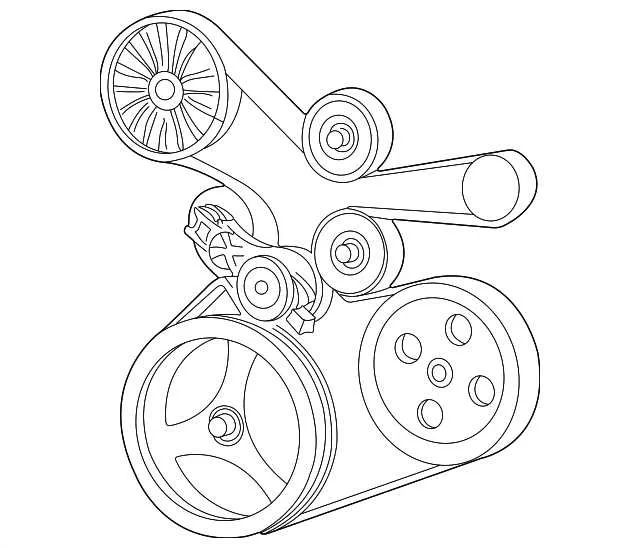
Locate the serpentine belt routing accurately by referencing the 2007 Jeep Liberty belt diagram for your specific engine type. This ensures the belt engages the alternator, power steering pump, and A/C compressor correctly without causing premature wear.
Identify tensioner positions and pulley alignments before attempting removal or installation. The belt tensioner on the 3.7L V6 engine sits near the front, making it accessible for adjustment, while the 2.8L diesel engine requires slightly more maneuvering due to tighter engine bay spacing.
Follow the diagram sequentially when installing a new belt. Begin at the crankshaft pulley, route around each accessory, and check that the belt sits properly in all pulley grooves. Misalignment can lead to noise, slipping, or damage to components.
Check for wear and replace related components such as the tensioner and idler pulleys while changing the belt. Signs of cracking, glazing, or fraying indicate it’s time for replacement, and aligning new components with the belt diagram guarantees smooth operation.
Keep a printed or digital copy of the belt diagram accessible in the engine bay during maintenance. This visual guide simplifies troubleshooting, ensures proper routing after removal, and helps avoid repeated adjustments or errors that could strain the engine’s accessories.
2007 Jeep Liberty Belt Diagram
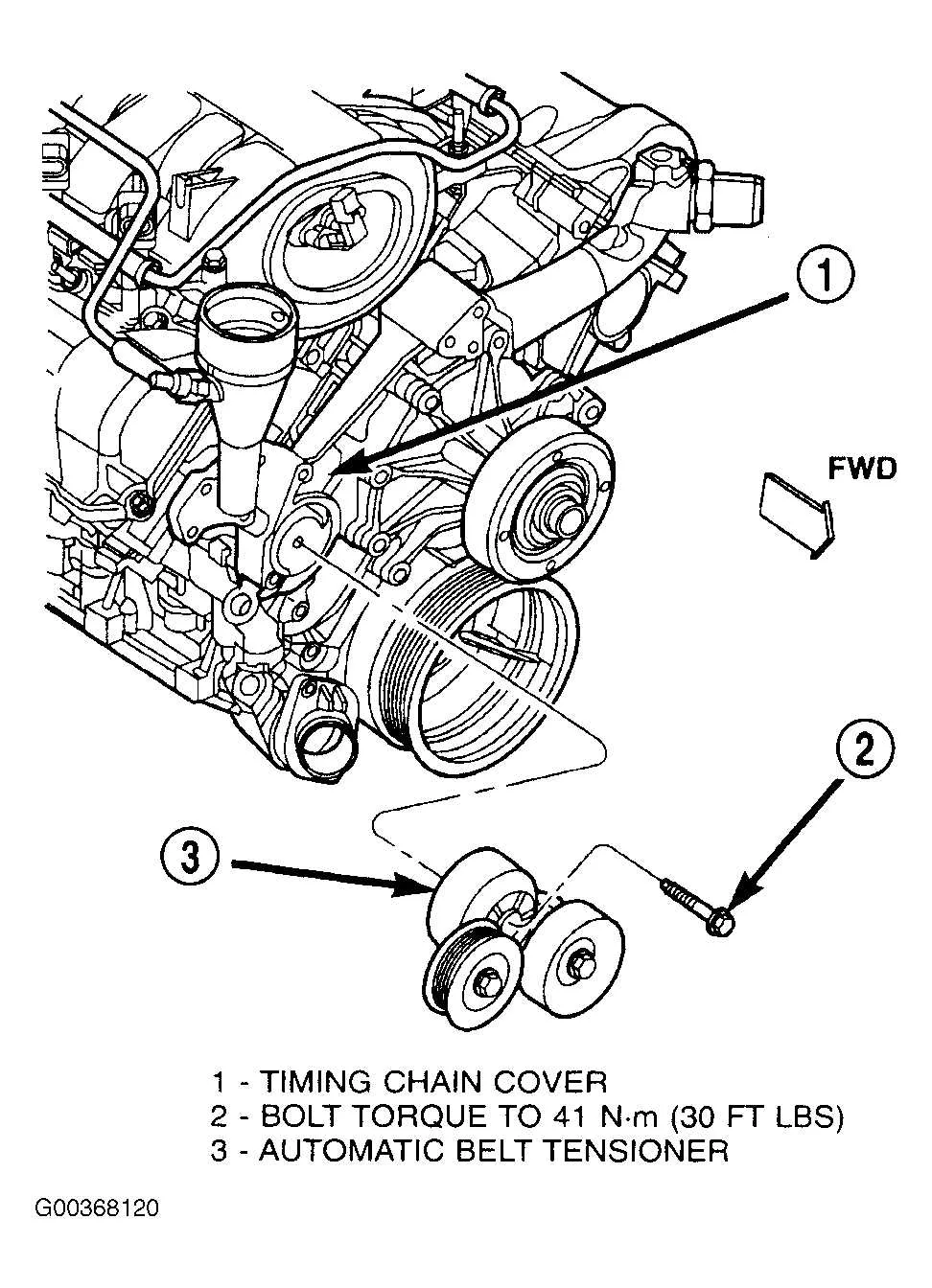
Locate the serpentine belt routing on your 2007 Jeep Liberty by referencing the diagram printed under the hood or in the owner’s manual. The belt loops around the crankshaft pulley, alternator, power steering pump, water pump, and air conditioning compressor. Ensure the tensioner is fully released before removing the old belt to prevent damage and facilitate smooth installation.
Follow the diagram carefully: the belt moves clockwise from the crankshaft to the water pump, then up to the idler pulley before reaching the alternator. Next, route it over the tensioner and down to the power steering pump, finishing at the A/C compressor. Double-check the alignment on all pulleys to avoid slippage or squealing noises after installation.
Use a belt routing tool or a long-handled wrench to relieve tension on the tensioner while positioning the belt. Inspect all pulleys for wear or debris, replacing any damaged components before fitting the new belt. After placement, rotate the crankshaft manually to confirm smooth movement and correct tracking across each pulley.
Keep a printed or digital copy of the diagram nearby during maintenance. This prevents errors and ensures consistent performance of the belt system. Regular inspection every 30,000 miles helps maintain optimal function and extends the lifespan of both the belt and connected components.
Identifying Each Belt and Pulley on a 2007 Jeep Liberty
Locate the serpentine belt on the front of the engine; it powers multiple components. Begin with the crankshaft pulley at the bottom center–it drives the belt. Move clockwise to identify the alternator pulley, typically on the upper right, responsible for electrical charging. Adjacent to it, find the tensioner pulley, spring-loaded to maintain belt tension.
Next, spot the power steering pump pulley, usually on the left side, which assists with steering effort. Below it, the water pump pulley circulates coolant through the engine. The air conditioning compressor pulley is on the lower right, activating the A/C system when engaged. Each pulley has a unique diameter and placement, making visual identification straightforward once the engine layout is familiar.
Use a belt routing diagram located under the hood or in the owner’s manual to confirm each pulley’s position before performing removal or replacement. Verify alignment by rotating the crankshaft pulley manually to watch the belt track across all pulleys. This ensures correct placement and prevents premature wear or slippage. Marking the belt path with chalk or tape can simplify reinstallation and reduce errors.
Inspect each pulley for smooth rotation and any signs of wear, such as grooves or wobble. Replacing a faulty pulley before installing a new belt prevents damage and improves overall engine performance. Keep a reference image or diagram handy during maintenance for quick identification of each component.
Step-by-Step Guide to Reading the 2007 Jeep Liberty Belt Diagram
Locate the serpentine belt routing diagram on the engine compartment cover or the owner’s manual. Compare each pulley on the diagram to the corresponding pulley on your engine. Identify the crankshaft, alternator, power steering pump, air conditioning compressor, and idler pulleys to match their positions accurately.
Trace the belt path starting from the crankshaft pulley. Ensure the belt loops over each pulley as illustrated in the diagram. Pay attention to the tensioner pulley, which maintains proper belt tension and prevents slipping. Verify that the belt sits correctly in each pulley groove without overlapping edges.
Use a table to simplify the pulley identification and belt path. Match diagram labels to engine components for quick reference.
| Diagram Label | Engine Component | Notes |
|---|---|---|
| A | Crankshaft Pulley | Primary driving pulley, start tracing from here |
| B | Alternator Pulley | Ensure belt wraps over the top edge |
| C | Power Steering Pump | Belt must stay centered in the groove |
| D | Air Conditioning Compressor | Check for proper alignment with idler pulley |
| E | Tensioner Pulley | Apply pressure to maintain correct tension during installation |
| F | Idler Pulley | Guides the belt and reduces slack |
After matching the diagram to the engine, rotate the crankshaft manually to confirm the belt moves smoothly without slipping off any pulley. Inspect for wear, cracks, or fraying along the entire belt length. Replace the belt immediately if any damage appears, following the diagram for correct routing.
Double-check alignment after installation, especially around tensioner and idler pulleys. Recheck belt tension to avoid engine noise or premature wear. Keep the diagram accessible for future maintenance checks.
Common Belt Routing Mistakes and How to Avoid Them
Always verify the belt routing diagram for your 2007 Jeep Liberty before installation. Misrouting the serpentine belt can lead to alternator failure, AC issues, or engine overheating.
- Skipping the Tensioner Check: Ensure the tensioner moves smoothly. A stuck or weak tensioner can cause the belt to slip or fray.
- Wrong Pulley Order: Follow the exact sequence: crankshaft → alternator → power steering → AC compressor → tensioner. Swapping pulleys can create noise or damage accessories.
- Improper Belt Alignment: Check that the belt sits flush in the pulley grooves. Misalignment wears down the belt edges quickly.
- Using an Incorrect Belt Length: Measure the old belt and compare it with the replacement. Too long causes slipping, too short strains components.
- Forgetting to Inspect Pulleys: Spin each pulley to detect rough spots or play. Damaged pulleys reduce belt life and can break mid-drive.
To prevent mistakes, trace the diagram with a marker on the engine or take a clear photo before removing the old belt. Hand-route the belt first to confirm the path before applying full tension. This simple step avoids repetitive removal and extends the lifespan of your belt system.
Regularly inspect the belt for cracks, glazing, or fraying. Replacing a worn belt early prevents sudden failures and keeps your Jeep Liberty running smoothly.