2010 Hyundai Sonata Serpentine Belt Diagram and Routing Guide
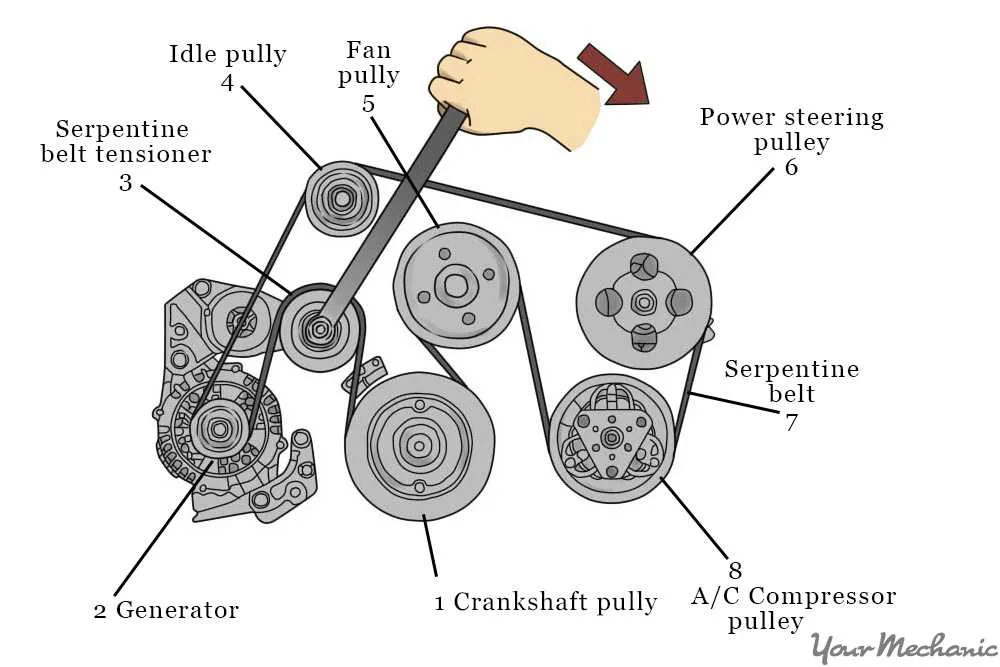
The serpentine belt in the 2010 Hyundai Sonata plays a key role in powering various engine components. If you notice any issues with accessories like the alternator, power steering, or air conditioning, it’s time to check the belt’s condition. A worn or misaligned belt can lead to multiple problems, so make sure to inspect it regularly for signs of wear such as cracks or fraying.
Refer to the diagram for precise routing to avoid potential damage during installation. The 2010 Sonata’s belt routing can be tricky, so following the correct path ensures smooth operation. It is highly recommended to replace the serpentine belt every 60,000 miles or as needed, based on wear conditions.
Understanding the belt’s exact position is crucial for both replacement and troubleshooting. The diagram provides the correct belt routing for the engine setup, ensuring that all components function properly without putting excessive strain on the belt itself. Keep in mind that proper tension is also essential to prevent slipping and unnecessary wear.
2010 Hyundai Sonata Belt Diagram
The 2010 Hyundai Sonata uses a serpentine belt system that powers several crucial components in the engine. Understanding the belt routing and the individual components is key for maintenance and repair. Below is the layout of the serpentine belt and its path around the pulleys.
Start by ensuring the vehicle is off and the engine is cool. The serpentine belt on the 2010 Sonata is routed over the alternator, power steering pump, air conditioning compressor, and the water pump. It is critical to check the belt for wear, cracks, or damage, as this can prevent proper functioning of these components.
The tensioner pulley plays a crucial role in maintaining the proper tension of the belt. If the tension is too loose, the belt may slip, causing overheating or power loss. Conversely, a belt that’s too tight can damage the alternator or water pump bearings. The tensioner should be inspected regularly for wear and replaced when necessary.
When replacing the serpentine belt, ensure that it is routed exactly as shown in the diagram to avoid misalignment. Improper routing can cause excessive wear and premature failure of the belt and components it drives. It’s recommended to use only OEM parts or parts that meet manufacturer specifications for durability and fit.
For easier installation, using a serpentine belt tool to release the tension from the belt can help. Once the new belt is in place, check its alignment on all pulleys and ensure it’s seated correctly. After installation, run the engine and observe the belt’s operation to confirm it’s running smoothly without any unusual noise or slippage.
Understanding the Serpentine Belt Routing for 2010 Hyundai Sonata
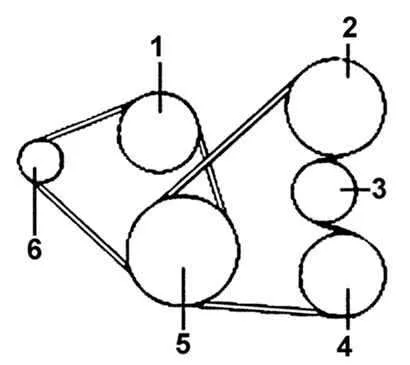
The serpentine belt on the 2010 Hyundai Sonata plays a key role in powering various engine components such as the alternator, air conditioning, and power steering pump. Proper routing is crucial for the system to work effectively. Here’s how to understand and ensure correct routing.
- The serpentine belt should run along a set of pulleys, each driving a specific accessory. It’s important to ensure the belt loops correctly over the crankshaft pulley, the alternator, and the power steering pump pulley.
- Check that the tensioner pulley is properly engaged. This pulley maintains the belt’s tension and ensures smooth operation of the system. If the belt is too loose, it may slip off the pulleys, causing issues.
- The routing diagram is typically located on a label near the engine bay, often on the radiator support or the engine cover. Refer to this diagram for the correct routing path, especially if you’re replacing or adjusting the belt.
- Be cautious when working around the idler and tensioner pulleys, as misalignment can cause premature wear of the belt or other components. Regular inspection of these parts ensures the system runs smoothly.
If you’re uncertain about the belt’s condition or routing, consult the vehicle’s manual or a professional mechanic to avoid damage to the engine components. Replacing the serpentine belt at the recommended intervals will help maintain the vehicle’s performance and prevent unexpected breakdowns.
Common Issues with the Serpentine Belt and How to Fix Them
Serpentine belts on the 2010 Hyundai Sonata can wear out over time. One common issue is the belt slipping off the pulleys, often due to improper tension or a worn-out tensioner. To fix this, inspect the tensioner for any signs of damage or weakness. Replace it if necessary and adjust the belt tension accordingly.
Another issue is cracking or fraying. This typically happens after extended use or exposure to extreme heat. Regularly inspect the belt for any visible damage. If the belt shows signs of wear, replace it immediately to avoid further damage to other components.
Noise such as squealing or chirping often indicates misalignment or that the belt is too loose. First, check the alignment of the pulleys. If any pulleys are misaligned, adjust or replace them. Ensure the belt is properly tensioned to prevent further noise or damage.
Worn or failing pulleys can also contribute to belt problems. Inspect each pulley for wear and replace any that feel rough or make noise. Replacing damaged pulleys can prevent premature wear on the new serpentine belt.
If the serpentine belt is failing due to oil or coolant leaks, clean the affected area thoroughly. Oil and coolant degrade the belt material, leading to rapid failure. Once the leak is fixed, replace the belt and inspect the surrounding components for damage.
Step-by-Step Guide to Replacing the Serpentine Belt on a 2010 Hyundai Sonata
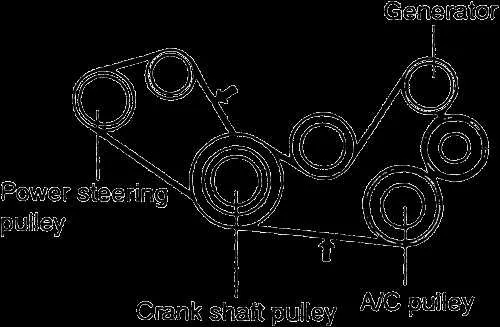
To replace the serpentine belt on your 2010 Hyundai Sonata, follow these steps carefully to ensure a smooth process.
1. Gather Necessary Tools: You will need a socket set, a serpentine belt tool or ratchet, and a new serpentine belt. A flashlight may also be helpful for better visibility.
2. Locate the Serpentine Belt: The serpentine belt on the 2010 Hyundai Sonata is located at the front of the engine, running around various pulleys. It’s accessible from the top of the engine bay.
3. Release Tension on the Belt: Use a serpentine belt tool or a ratchet to rotate the tensioner pulley clockwise. This will loosen the belt, allowing you to remove it from the pulleys. Be careful not to release the tension too quickly, as the tensioner can snap back.
4. Remove the Old Belt: Once the tension is released, carefully remove the old serpentine belt from the pulleys. Take note of the belt routing for installation of the new belt. You can refer to the belt diagram typically located on the underside of the hood or in your vehicle’s manual.
5. Inspect the Pulleys: Before installing the new belt, inspect all pulleys and the tensioner for any wear or damage. If you notice any issues, such as cracked or worn pulleys, replace them before continuing.
6. Install the New Belt: Position the new serpentine belt around the pulleys according to the belt routing diagram. Make sure the belt is seated properly on all pulleys. If the belt doesn’t fit or is too tight, ensure that you have the correct part number for your Sonata.
7. Apply Tension: Rotate the tensioner pulley back into place using your serpentine belt tool or ratchet. Once the belt is taut, the tensioner should hold the belt in place. Double-check the belt’s alignment on the pulleys to ensure it’s positioned correctly.
8. Test the Installation: Start the engine and observe the belt’s operation. Check for any abnormal sounds or vibrations. Ensure that the belt is running smoothly and securely on all pulleys.
9. Complete the Job: Once everything is working correctly, close the hood. Dispose of the old belt responsibly.