2007 Honda Odyssey Serpentine Belt Diagram and Routing Guide
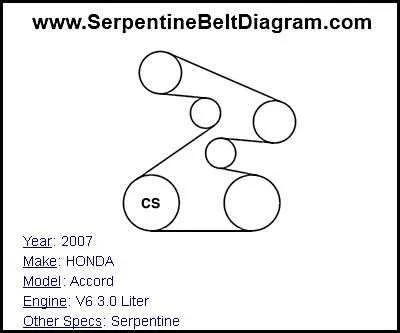
Inspect the serpentine belt routing and tension regularly to prevent any potential breakdowns in your 2007 Honda Odyssey. A misaligned or worn-out serpentine belt can cause significant engine issues. The serpentine belt drives multiple essential components, including the alternator, power steering pump, and air conditioning compressor. Keeping this belt in good condition ensures smooth engine operation and avoids unexpected repairs.
Refer to the specific serpentine belt diagram for your 2007 Odyssey model when performing maintenance. The diagram provides a clear view of the correct routing pattern, which is crucial to avoid installation errors. Incorrect routing can lead to slippage or damage to other components. Ensure that the belt is properly aligned and tensioned according to the manufacturer’s specifications to maintain optimal performance.
If you’re experiencing unusual noises, vibrations, or a loss of power steering or air conditioning, it’s time to check the serpentine belt. Inspect for cracks, wear, or glazing along the surface of the belt. Any visible signs of damage mean the belt should be replaced immediately to prevent further engine strain.
2007 Honda Odyssey Serpentine Belt Diagram
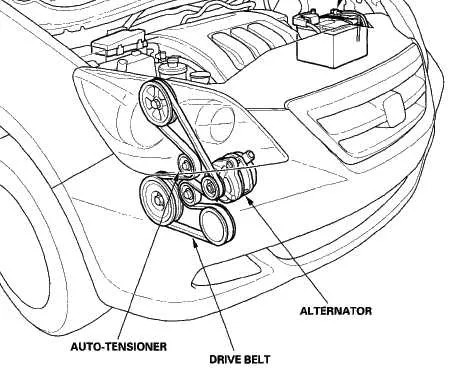
The serpentine belt on the 2007 Honda Odyssey is responsible for powering various engine components, such as the alternator, power steering pump, and air conditioning compressor. To ensure smooth operation, it’s crucial to have a proper belt routing system in place. Refer to the following diagram for an accurate representation of how the serpentine belt should be routed around the pulleys.
The belt should be installed according to the routing indicated in the diagram, making sure it is properly aligned with each pulley. Double-check that the belt is tensioned correctly to prevent slipping or premature wear. If the belt appears damaged or worn out, replace it immediately to avoid further engine issues.
For optimal performance, inspect the serpentine belt regularly. Look for signs of fraying, cracking, or stretching. If you notice any irregularities, it’s time for a replacement. Regular maintenance of the belt and its components will extend the life of your engine and prevent unexpected breakdowns.
Identifying the Key Components of the Serpentine Belt System
To ensure the proper operation of your 2007 Honda Odyssey, it’s important to understand the key components of the serpentine belt system. This system drives multiple accessories using a single continuous belt. Identifying these components will help you maintain and troubleshoot the system effectively.
- Serpentine Belt: The main component of the system, this belt runs through several pulleys and drives the engine accessories, including the alternator, power steering pump, air conditioning compressor, and water pump.
- Pulleys: These components guide the serpentine belt. Key pulleys include the tensioner pulley, idler pulley, and accessory pulleys. The pulleys are critical for ensuring that the belt remains aligned and tensioned correctly.
- Tensioner Pulley: This pulley maintains proper tension on the serpentine belt. It is spring-loaded and adjusts automatically to ensure the belt stays tight, preventing slipping or excess wear.
- Idler Pulley: While it doesn’t drive any accessories, the idler pulley keeps the belt in place, helping to ensure it stays aligned with the other pulleys and reduces friction.
- Alternator Pulley: The alternator is driven by the serpentine belt to charge the vehicle’s battery. The alternator pulley is part of this crucial system, and if it malfunctions, the battery may not charge properly.
- AC Compressor Pulley: The serpentine belt also powers the air conditioning compressor. This pulley is necessary for cooling the cabin, and any issues here can affect your vehicle’s comfort system.
Regular inspection and maintenance of these components are crucial to avoid system failures and ensure your Honda Odyssey’s accessories function properly.
Steps for Proper Belt Routing and Installation
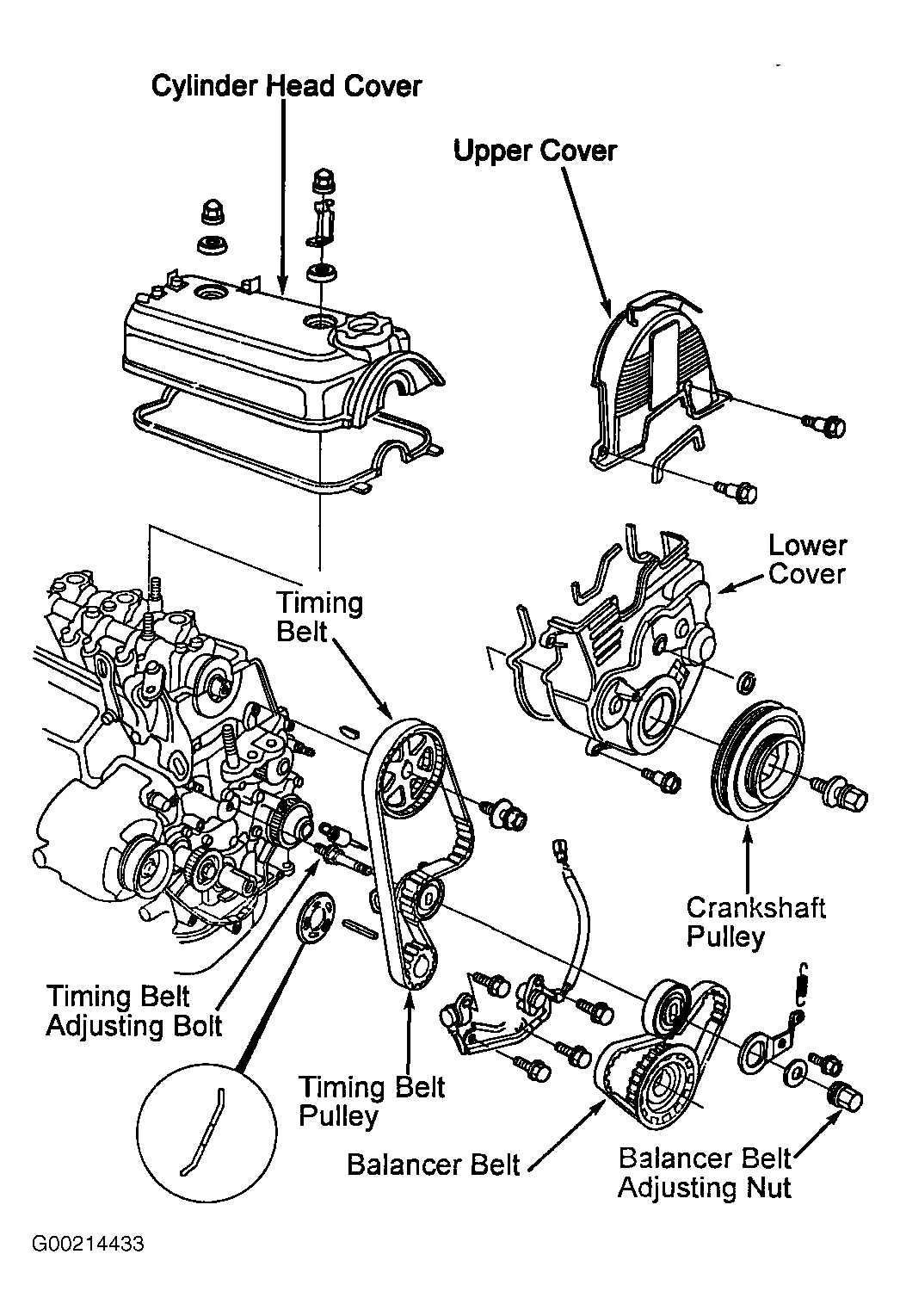
To ensure a smooth installation of the serpentine belt, start by locating the tensioner pulley. Use a ratchet or breaker bar to relieve the tension on the belt by rotating the tensioner clockwise.
Once the tension is relieved, carefully remove the old belt, noting its routing path for reference. Make sure to follow the routing diagram specific to the 2007 Honda Odyssey to prevent misalignment.
Position the new serpentine belt according to the diagram. Begin by placing the belt around the crankshaft pulley, then work your way around other pulleys. Pay attention to the alignment of the grooves, ensuring the belt fits snugly into the grooves of each pulley.
Ensure that the belt is properly seated, particularly on the alternator, power steering, and air conditioning pulleys. Check for any twists or misalignments that could cause premature wear or damage.
Once the belt is in place, release the tensioner slowly and double-check the belt’s position to ensure proper tension. It should be tight but not overly stretched, allowing for slight movement when pressed with a finger.
Test the installation by manually rotating the engine (if possible) and observing the belt in motion. Listen for any unusual noises and check that the belt is running smoothly along the pulleys.
Troubleshooting Common Belt Issues on the 2007 Honda Odyssey
Inspect the serpentine belt for visible signs of damage such as cracks, fraying, or glazing. If any of these issues are found, replace the belt immediately. A worn-out belt may not function properly, leading to engine performance issues.
If the belt is slipping or squealing, check for improper tension. The tensioner pulley may be faulty or worn. Verify the belt tension using a tension gauge or by pressing down on the belt. If there is too much slack, the tensioner should be replaced.
When the alternator or power steering pump is not working correctly, check for misalignment. Ensure that the belt is routed properly around the pulleys and that none of the pulleys are damaged or misaligned. A misaligned belt can cause uneven wear and decrease overall system performance.
If the engine is overheating, inspect the water pump pulley. A malfunctioning water pump pulley may indicate a failing water pump, which could lead to the serpentine belt being damaged due to excessive friction. Replace the water pump if necessary.
Use the following table to check common symptoms and possible causes of serpentine belt issues:
| Symptom | Possible Cause | Solution |
|---|---|---|
| Squealing noise | Loose or worn-out belt | Check tension and replace belt if damaged |
| Engine overheating | Faulty water pump pulley | Inspect and replace water pump if necessary |
| Power steering failure | Misaligned pulley or belt | Check belt routing and pulley alignment |
| Battery not charging | Faulty alternator pulley | Inspect alternator and replace if necessary |
Regularly inspect and maintain the serpentine belt and related components to avoid unexpected breakdowns and ensure smooth vehicle operation.