2006 5.7 HEMI Serpentine Belt Diagram Layout and Pulley Routing Guide
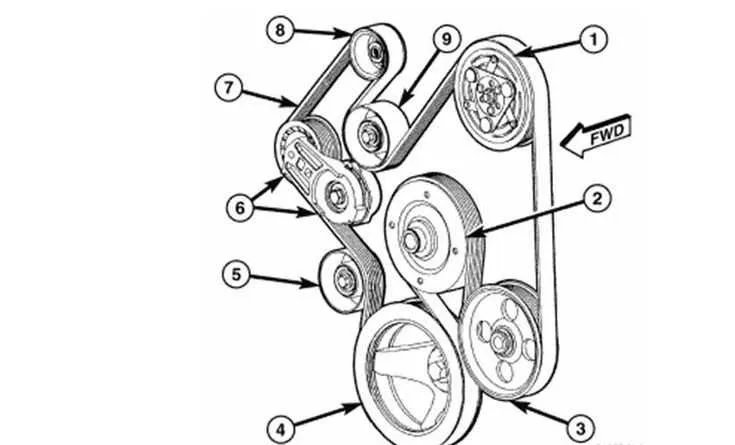
Consult the serpentine belt diagram for the 2006 5.7 HEMI before attempting replacement to ensure correct routing across the alternator, power steering, and air conditioning pulleys. Follow the path indicated to avoid misalignment that can cause premature wear or noise.
Use a belt tensioner tool to release and adjust tension precisely. Observe the orientation of the ribbed side of the belt on each pulley, especially around the crankshaft and idler pulleys, to prevent slippage and maintain proper engine performance.
Inspect all pulleys for signs of damage or wear before installing the new belt. Replace any worn bearings or cracked pulleys to reduce strain on the belt and maintain smooth operation. Verify alignment visually and by rotating the engine manually once the belt is installed.
Keep the diagram accessible during routine maintenance to quickly check belt routing after any component replacement. Proper adherence to the diagram minimizes mechanical issues and ensures consistent accessory operation under load.
2006 5.7 HEMI Serpentine Belt Diagram Detailed Installation and Maintenance Guide
Begin by disconnecting the battery to prevent accidental engagement of the engine. Identify all pulleys using the factory diagram specific to the 2006 5.7 HEMI. Confirm the routing path, noting the position of the crankshaft, alternator, power steering pump, A/C compressor, and tensioner.
Release the belt tensioner with a 3/8-inch ratchet or breaker bar, keeping the belt loose while removing it. Inspect each pulley for wear, rust, or misalignment, and rotate them by hand to detect abnormal resistance or noise. Replace any components showing damage or excessive play.
Route the new serpentine belt according to the diagram, ensuring it sits fully within the grooves of each pulley. Apply tension by slowly releasing the tensioner and verify the belt tracks smoothly on all pulleys. Double-check that the belt aligns with the ribbed grooves and does not twist.
After installation, reconnect the battery and start the engine at idle. Observe the belt for proper motion and listen for squealing or vibration. Turn off the engine and recheck tensioner position and pulley alignment. Perform a final inspection after 50–100 miles to ensure long-term reliability.
Locate and Identify All Pulleys on the 5.7 HEMI Engine
Begin by positioning yourself in front of the engine with adequate lighting. Identify the crankshaft pulley at the bottom center of the engine; it drives the serpentine belt and is the largest pulley in the assembly.
Above and slightly to the driver side, locate the alternator pulley, which is smaller and connected directly to the alternator housing. Confirm its placement by checking the electrical connections running to it.
On the passenger side near the top, find the power steering pump pulley. It is medium-sized and often has a smooth surface without grooves, distinguishable from the ribbed alternator pulley.
Identify the water pump pulley positioned centrally, just above the crankshaft. It typically aligns with the engine timing cover and has a ribbed surface matching the belt path.
Locate the air conditioning compressor pulley near the lower passenger side of the engine. It includes a clutch mechanism that allows the pulley to spin independently when the system is off.
Spot the idler pulleys and tensioner pulley along the belt path. The tensioner pulley usually features a spring-loaded arm, allowing adjustment, while idler pulleys are fixed and maintain belt alignment.
Confirm each pulley’s orientation by tracing the belt routing on the diagram. Check for correct alignment and rotation direction to prevent slipping or premature wear.
Use a wrench to gently rotate each accessible pulley by hand, ensuring smooth operation without binding. Any roughness indicates potential bearing wear that should be addressed before installing the serpentine belt.
Follow the Correct Serpentine Belt Routing for Accurate Placement
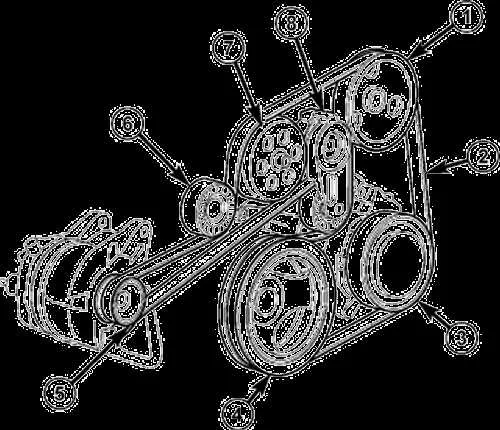
Place the serpentine belt on the 2006 5.7 HEMI engine following the precise routing to ensure proper operation of all accessories. Incorrect placement can lead to squealing, premature wear, or failure of components like the alternator, water pump, and power steering pump.
Use the belt routing diagram printed on the radiator support or under the hood as your reference. If missing, replicate the following path:
- Start at the crankshaft pulley, wrapping the belt clockwise around the water pump pulley.
- Continue over the alternator pulley, keeping tension aligned on the ribbed side.
- Route the belt around the power steering pump pulley, ensuring smooth contact with grooves.
- Pass the belt over the idler pulleys, maintaining proper alignment.
- Finish by routing it around the tensioner pulley, ensuring the spring-loaded mechanism provides correct tension.
Verify that the belt sits fully in all pulley grooves without twisting. Each rib must match the corresponding pulley groove to prevent slipping or noise. Rotate the crankshaft by hand for one full revolution to confirm smooth tracking and alignment before starting the engine.
Check pulley surfaces for wear or debris that may interfere with belt contact. Replace any worn idlers or tensioners to maintain consistent belt tension and prevent misalignment. Follow this sequence carefully for reliable operation and extended belt life.
Adjust Belt Tension and Inspect for Smooth Operation
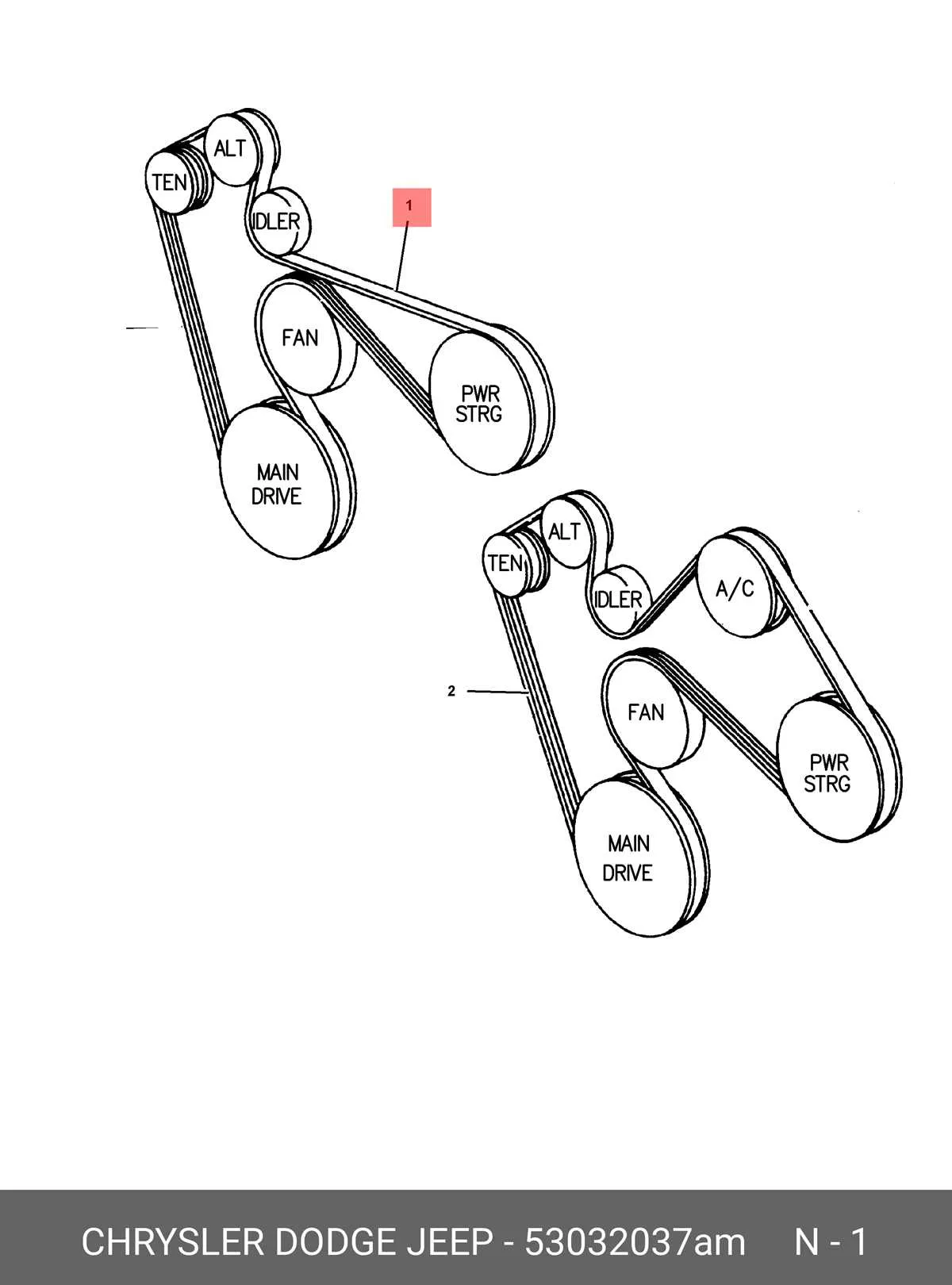
Use a calibrated belt tension gauge to measure the tension on the 2006 5.7 HEMI serpentine belt. Position the gauge at the longest span between pulleys and apply pressure according to manufacturer specifications, typically around 125–175 pounds of deflection per inch for this engine.
If tension falls outside the recommended range, adjust the automatic tensioner by relieving its spring pressure and repositioning the belt. For manual tensioners, turn the adjustment bolt gradually while monitoring the gauge until the proper tension is reached. Avoid over-tightening, which can damage bearings and reduce pulley lifespan.
After adjusting, rotate the engine by hand through two full cycles to seat the belt properly. Inspect each pulley for smooth rotation, listening for any scraping, squealing, or irregular movement. Confirm that the belt tracks evenly across all pulleys without riding off edges or twisting.
Check accessory operation under idle and moderate RPMs, observing the alternator, water pump, and A/C compressor for consistent movement. Recheck tension after initial operation, as new belts may settle slightly and require minor readjustment. Document the tension reading for future reference and maintenance schedules.