Ford Focus Serpentine Belt Diagram and Replacement Guide
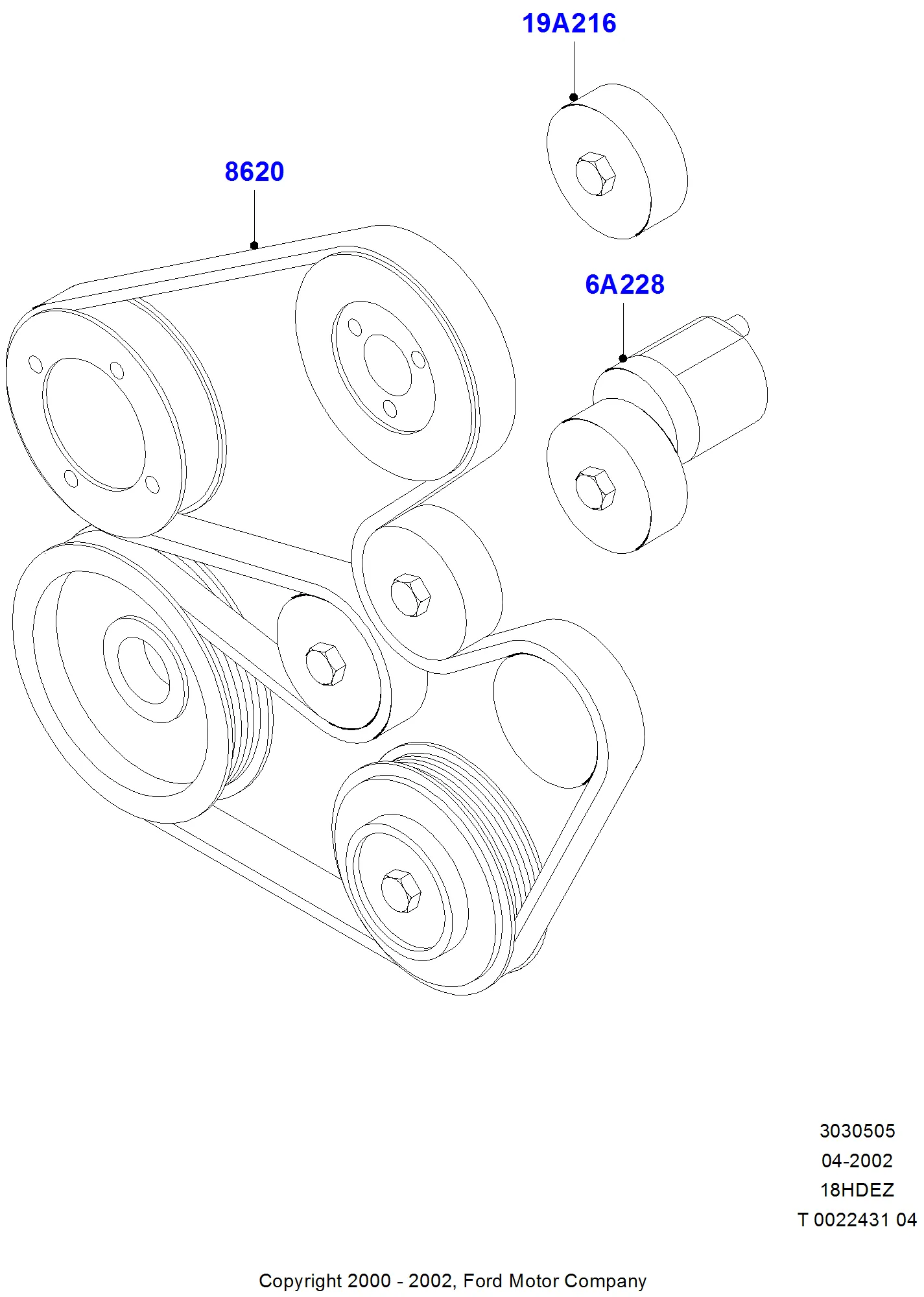
To understand the configuration and maintenance of the Ford Focus belt system, first, identify the key components: the serpentine belt, timing belt, and accessory belts. These belts power essential engine functions, from the alternator to the air conditioning compressor. Each has a unique path, and understanding this layout ensures smooth operation and prevents premature wear.
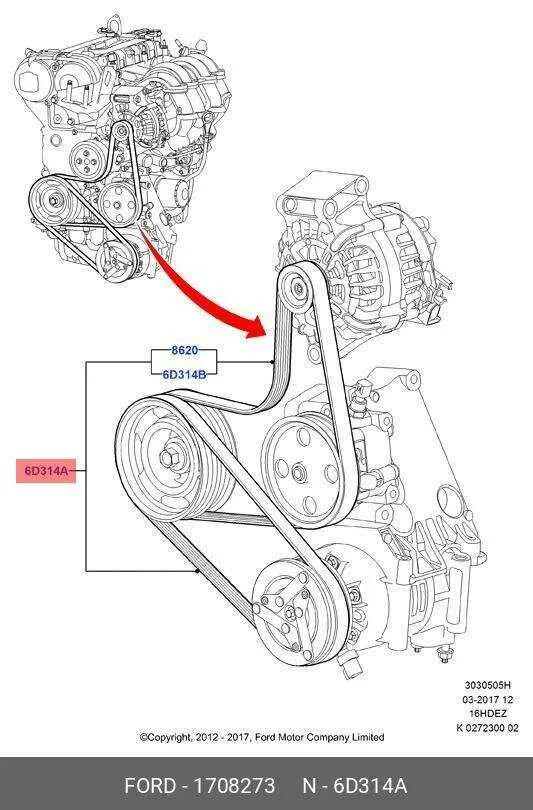
The serpentine belt typically runs along a series of pulleys, driven by the crankshaft. It powers several components, including the alternator, power steering pump, and air conditioning compressor. A detailed belt diagram helps visualize the precise routing, preventing mistakes during installation and ensuring that the belt remains under proper tension.
For models that feature a timing belt, its placement and tension are crucial for maintaining engine timing. A misaligned timing belt can result in significant engine damage. The timing belt diagram shows the precise positioning of each gear and pulley, ensuring accurate timing and a properly functioning engine.
Refer to the specific diagram for your model year, as the configuration may differ slightly based on production and updates. Always check the manufacturer’s guidelines for the correct belt tension and replacement intervals to extend the life of your Ford Focus engine.
Ford Focus Belt Diagram: A Detailed Guide
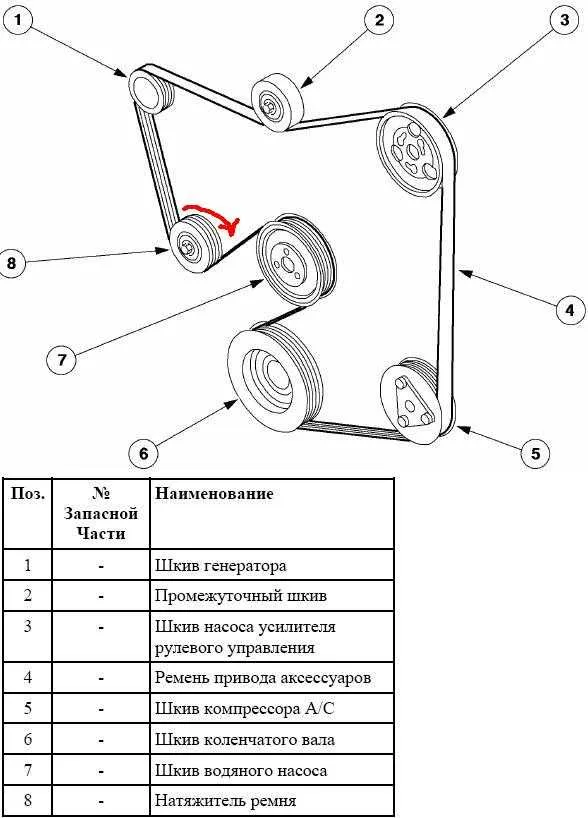
When replacing the serpentine belt or inspecting the belt system on a Ford Focus, it’s critical to follow the correct belt routing to avoid engine damage. The belt diagram varies by model year and engine type, so confirm your specific vehicle’s requirements. Start by locating the tensioner pulley. You’ll need to relieve tension on the belt by rotating the tensioner in the appropriate direction before removal.
Ensure the new belt matches the dimensions and pattern outlined in the diagram. For most Ford Focus models, the serpentine belt runs across several components: the alternator, power steering pump, air conditioning compressor, and water pump. Pay close attention to the pulley positions and confirm that the belt is properly aligned with each groove.
Always double-check the belt tension. A belt that is too loose can slip, causing underperformance, while an over-tightened belt may damage the components it drives. To maintain optimal engine performance, inspect the belt periodically for wear, cracks, or any other visible signs of damage.
Understanding the Serpentine Belt Layout for Ford Focus
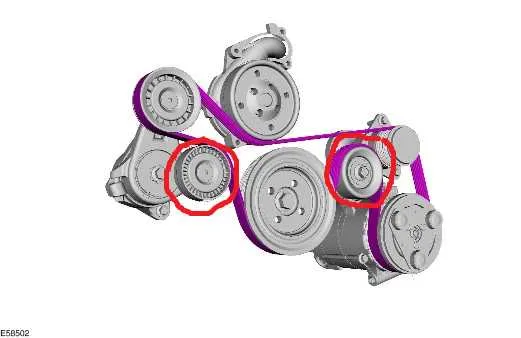
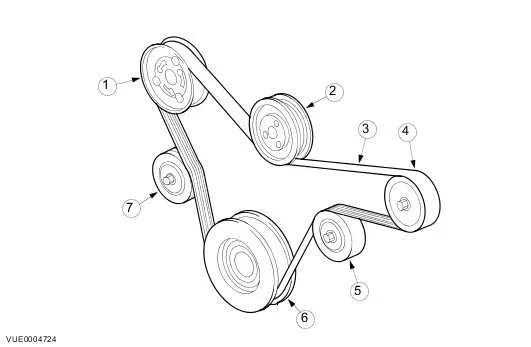
The serpentine belt in a Ford Focus is a crucial component that powers several engine accessories such as the alternator, power steering pump, air conditioning compressor, and water pump. Ensuring the belt is routed correctly can save you from costly repairs down the line. The layout typically follows a specific path that ensures each component gets the right amount of tension and rotation.
To ensure proper function, start by identifying the components that the belt drives. The layout begins with the crankshaft pulley, which serves as the primary power source. From there, the belt loops around pulleys for the alternator, power steering, air conditioning compressor, and others depending on your Focus model. The correct alignment of the belt is key for avoiding premature wear or malfunction.
It’s important to inspect the belt regularly for wear signs like fraying, cracks, or glazing. If any of these symptoms appear, replacing the serpentine belt should be a priority. When replacing the belt, double-check the routing diagram located on the engine bay or in the vehicle manual to ensure the new belt follows the correct path.
In cases of tension loss, use a tensioner pulley to maintain appropriate tension. An improperly tensioned belt can slip, causing inefficient performance or damage. If you notice unusual sounds like squeaking or chirping, it could indicate a misalignment or excessive tension, which should be addressed quickly.
Regular maintenance checks can help keep the serpentine belt in good condition, improving overall engine performance and preventing unexpected breakdowns. Keeping track of the belt’s condition and replacement interval ensures your Ford Focus runs smoothly for the long term.
Step-by-Step Guide to Replacing the Timing Belt on a Ford Focus
Before starting, make sure the engine is cool and you’re working in a safe environment. Disconnect the battery to prevent any electrical mishaps.
- Remove the Engine Cover: Start by removing the engine cover if your model has one. Use the necessary tools to unclip or unscrew the cover to gain access to the timing belt area.
- Locate the Timing Belt: Find the timing belt by locating the engine’s timing cover. The timing belt runs along the side of the engine, typically near the crankshaft and camshaft pulleys.
- Remove the Serpentine Belt: Loosen and remove the serpentine belt first. This step will provide more room to access the timing belt. Use a ratchet to release tension and slide the belt off the pulleys.
- Remove the Timing Cover: Unscrew and remove the timing cover bolts to expose the timing belt and pulleys. Be cautious to keep track of the bolts and their positions.
- Mark the Timing Pulleys: Before removing the old timing belt, mark the position of the timing pulleys. This ensures you can align the new timing belt correctly when installing it.
- Loosen the Tensioner: Release the tension from the timing belt by loosening the tensioner. You may need to use a wrench or a ratchet to relieve tension. Once loose, remove the belt from the pulleys.
- Remove the Old Timing Belt: Carefully remove the old timing belt, checking for any wear or damage. Pay attention to the route of the belt as you remove it, so you can install the new one correctly.
- Install the New Timing Belt: Place the new timing belt on the pulleys, making sure it fits the marked alignment. Ensure the belt is taut but not overly tight. Double-check the pulley positions before continuing.
- Re-tension the Timing Belt: Adjust the tensioner to tighten the new timing belt. Follow the manufacturer’s specifications for the correct tension setting.
- Reassemble the Engine: Replace the timing cover, serpentine belt, and engine cover. Tighten all bolts securely, making sure everything is back in place as it was before.
- Reconnect the Battery: Reconnect the battery and check all connections and parts to ensure nothing is loose. Start the engine and listen for any unusual sounds.
Double-check that the timing belt is properly aligned and tensioned. If you notice any issues or unusual sounds after starting the engine, shut it off and recheck the installation.
Common Issues with Ford Focus Belt System and How to Diagnose Them
If you hear squealing noises coming from your engine or notice performance issues, the Ford Focus belt system could be the culprit. These problems often stem from worn-out components, misalignment, or incorrect tension.
Belt Wear and Cracks: Over time, belts can crack and show signs of wear. Visually inspect the serpentine belt for any noticeable cracks or fraying. If the belt looks damaged, it’s time for a replacement. Cracks can reduce efficiency and even cause the belt to snap, leading to serious engine problems.
Misalignment: A misaligned belt can cause squealing and excessive wear. Check the pulleys for any signs of misalignment or wobbling. Misalignment often results from faulty pulley bearings or improper belt installation. To fix this, ensure the pulleys are aligned correctly and inspect the bearings for damage.
Incorrect Belt Tension: Too much or too little tension can cause the belt to slip or become noisy. A loose belt can fail to properly turn the alternator or water pump, while a tight belt might put unnecessary stress on the pulleys. Use a belt tension gauge to check the tension, and adjust it to manufacturer specifications. If you notice the belt losing tension too quickly, it might indicate wear or a damaged tensioner.
Noisy or Squealing Belt: Squealing is a common symptom of a slipping belt. This often happens in colder weather or after prolonged driving. If the noise persists, check the belt for wear and ensure the tension is correct. Also, inspect the pulleys for damage or corrosion, as they can cause the belt to slip.
Worn-out Tensioner or Idler Pulley: A faulty tensioner can lead to belt slipping or misalignment. To diagnose this, manually spin the pulleys and listen for any unusual sounds. A rough or noisy pulley suggests it’s time for a replacement. A bad tensioner can also cause inconsistent belt tension, leading to poor performance.
Regular inspection of the belt system is essential for maintaining engine performance. Make sure to replace worn-out belts and components on time to prevent more costly repairs. If you’re unsure about the condition of your belt system, consult a mechanic for a thorough inspection.