2007 Ford Escape Serpentine Belt Diagram and Routing Guide
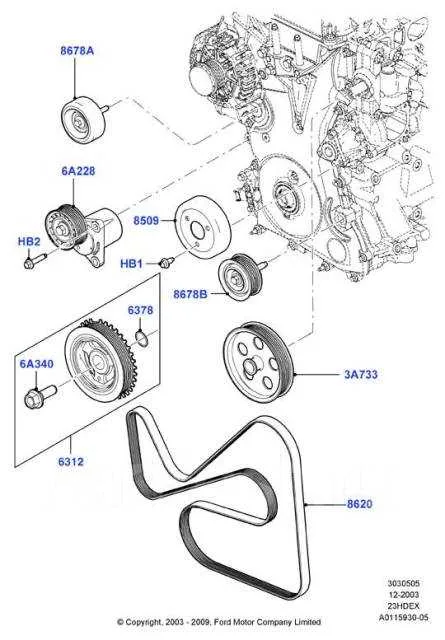
If you’re working on your 2007 Ford Escape and need to replace or adjust the serpentine belt, you’ll want to have the correct belt diagram on hand. The belt layout ensures that each component, like the alternator, power steering pump, and air conditioning compressor, runs smoothly. This diagram is crucial for proper installation and maintenance, as incorrect routing can lead to costly repairs and potential damage.
The 2007 Escape typically features a 3.0L V6 or 2.3L 4-cylinder engine, and each engine type has its own belt routing. The V6 engine uses a single serpentine belt to drive multiple accessories, while the 4-cylinder might use slightly different configurations. Always make sure to match the correct diagram for your engine type before starting the replacement process.
Take a close look at the diagram to confirm the direction of the belt’s routing around the pulleys. Pay special attention to the tensioner pulley, as it keeps the belt tight and is a common part to check for wear. Proper tension is key to preventing slippage or premature wear of the belt. If you’re unsure about any step, the diagram also helps you double-check that every component is properly aligned and connected.
2007 Ford Escape Belt Diagram
For the 2007 Ford Escape, understanding the belt system and its configuration can save you time and effort when performing maintenance or repairs. The serpentine belt in this model runs various components, such as the alternator, power steering pump, and air conditioning compressor. Follow this guide to ensure proper belt routing and functionality.
The diagram for the 2007 Ford Escape includes key elements such as:
- Serpentine belt routing diagram
- Idler pulley positions
- Components powered by the belt, including alternator, A/C compressor, and power steering
- Tensioner pulley location
To replace or inspect the serpentine belt:
- Locate the belt tensioner, typically on the driver’s side near the engine.
- Use a ratchet or belt tool to relieve tension on the belt.
- Remove the belt and inspect it for wear, cracks, or damage.
- If replacing, install the new belt by routing it according to the diagram.
- Reapply tension using the tensioner pulley and ensure the belt is properly aligned.
For a smooth operation and longer life of your vehicle, it’s crucial to inspect the serpentine belt regularly, especially if you notice unusual noises or slipping. When installing a new belt, double-check the routing to avoid any misalignment that could lead to component damage or belt failure.
How to Identify the Correct Belt Routing for 2007 Ford Escape
Locate the belt routing diagram on the engine compartment. It is usually printed on a sticker or a metal plate near the radiator or the front of the engine. If the diagram is missing or illegible, follow these steps:
1. Identify the components the belt interacts with: alternator, power steering pump, air conditioning compressor, and idler pulleys. These will help you understand the route the belt must take.
2. Understand the belt’s path: The serpentine belt typically loops around the crankshaft pulley, driven components, and idler pulleys. Keep in mind the belt should be routed in a way that ensures tension is maintained by the tensioner pulley.
3. Compare with available diagrams: If the diagram inside the engine bay is missing, search for a replacement diagram online or in the vehicle’s service manual. You can also use diagrams from trusted automotive repair websites.
4. Inspect the routing sequence: Ensure the belt runs smoothly over the pulleys without twisting. The tensioner pulley should hold the belt taut but not too tight.
5. Double-check after installation: Once the belt is routed, verify that all components are rotating properly and listen for any unusual sounds, which could indicate improper alignment or tension.
Here’s an example of a typical 2007 Ford Escape serpentine belt routing diagram:
| Pulley | Position |
|---|---|
| Crankshaft Pulley | Bottom left |
| Alternator | Top left |
| Power Steering Pump | Top center |
| Air Conditioning Compressor | Bottom right |
| Idler Pulley | Near the top right |
| Tensioner Pulley | Near the center |
Ensure the belt is correctly aligned with the pulleys. Misalignment can cause premature wear or damage to the belt and engine components.
Step-by-Step Guide to Replacing Serpentine Belt on 2007 Ford Escape
Before starting, gather the tools: a wrench set, socket set, and a new serpentine belt for the 2007 Ford Escape. Locate the belt routing diagram, often found on the radiator support or under the hood. This will guide you in reinstalling the belt correctly.
1. Disconnect the battery: Start by disconnecting the negative terminal of the battery to ensure safety while working with engine components.
2. Locate the serpentine belt: Open the hood and find the serpentine belt running across multiple pulleys. It is typically easy to spot in the engine bay.
3. Release tension on the belt: Use a socket wrench to rotate the tensioner pulley counterclockwise. This will loosen the belt, making it easier to remove. Some tensioners may require a specific tool for release.
4. Remove the old belt: Once the tension is released, slide the belt off the pulleys. Be mindful of the belt routing, as you’ll need to install the new belt in the same configuration.
5. Install the new belt: Route the new serpentine belt around the pulleys as shown in the belt routing diagram. Make sure the belt sits properly on each pulley, with no twists or misalignment.
6. Apply tension: Rotate the tensioner pulley counterclockwise again to install the belt on the tensioner. Ensure the belt is snug, and check its alignment on all pulleys.
7. Reconnect the battery: Reattach the negative terminal to the battery once the new belt is in place.
8. Test the system: Start the engine and observe the belt. It should run smoothly across the pulleys without any unusual noise or misalignment. Double-check for any squeaks or signs of improper installation.
Troubleshooting Common Belt Issues on 2007 Ford Escape
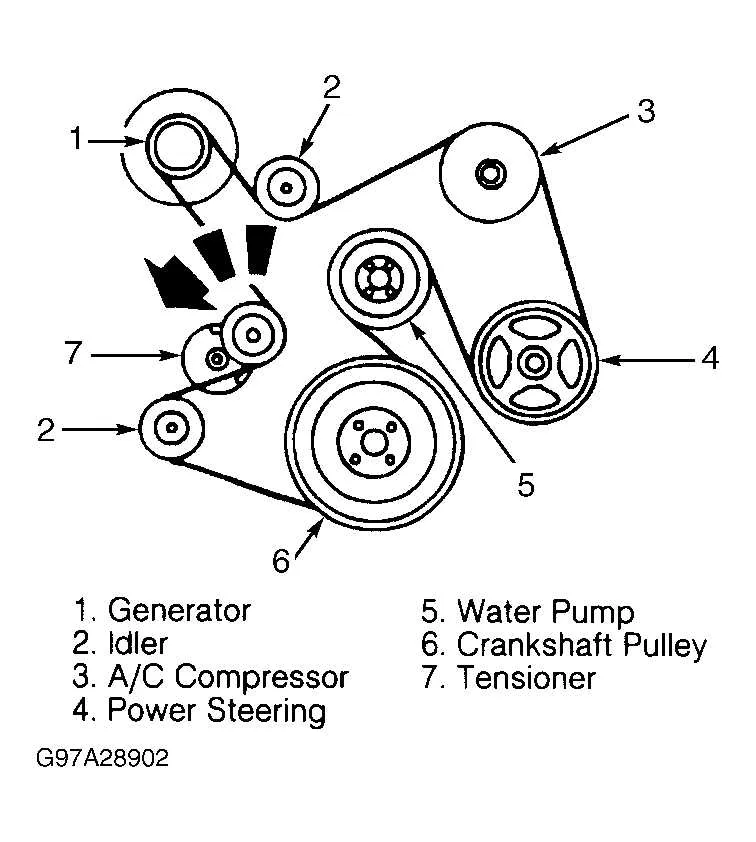
If your 2007 Ford Escape is experiencing issues with its belts, start by inspecting the serpentine belt for signs of wear. Cracks, fraying, or glazing are common indicators that it needs replacing. You should also check for proper tension–an overly tight or loose belt can cause a variety of problems, from squealing sounds to engine performance issues.
Another common problem is a misaligned pulley. This can cause the belt to slip or wear unevenly. Ensure all pulleys are in proper alignment, and check for any that may be bent or damaged. Pay special attention to the tensioner pulley; if it’s faulty, it will fail to maintain the right belt tension, leading to a host of performance issues.
If the engine is making a squealing noise, it could be due to a worn-out or loose tensioner. Replacing the tensioner will restore the proper belt tension and stop the noise. Always inspect the condition of the pulleys and idler components as well, as they can wear out over time and contribute to belt failure.
For any vibration or unusual noises, inspect the drive belt system for wear. A loose or cracked belt often causes this. The drive belt’s function is to power several engine components, including the alternator, water pump, and air conditioning compressor. If the belt is slipping, it can reduce the effectiveness of these components.
Make sure to replace the belt as soon as you spot any damage. Avoid using the car if the belt is seriously compromised, as it could lead to engine overheating or battery failure. Regular inspections, particularly at every oil change, will help identify and fix issues early.