2005 Ford Escape 3.0 Serpentine Belt Routing Diagram and Maintenance Guide
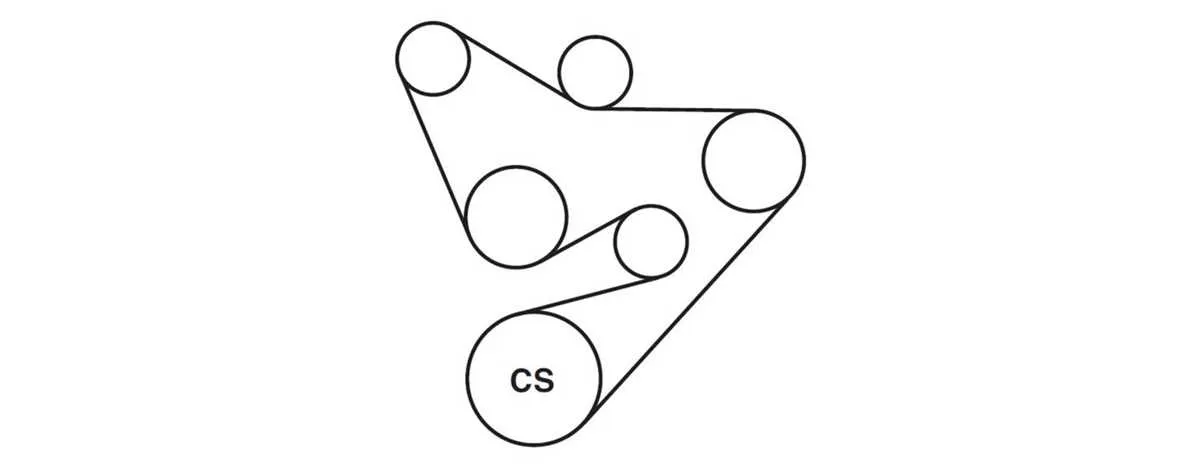
If you’re tackling the serpentine belt replacement on your 2005 Ford Escape 3.0, it’s crucial to have the correct diagram on hand. A detailed diagram will guide you through the proper routing of the belt, ensuring everything runs smoothly once the job is complete. The 3.0 engine in this model requires an exact configuration, and even a small error in belt placement can cause serious damage to components.
The serpentine belt in the 2005 Ford Escape 3.0 connects several important parts, such as the alternator, power steering pump, air conditioning compressor, and water pump. Understanding the correct routing helps prevent unnecessary wear on these components and can extend the life of your engine. If you’re unsure about the proper diagram, consult the manufacturer’s service manual or rely on a trusted online resource for a visual reference.
When you’re ready to install the new serpentine belt, double-check the tensioner pulley to ensure it’s functioning properly. A malfunctioning tensioner could lead to improper belt tension, potentially causing slippage or even breaking the belt. Once everything is in place, make sure the belt runs smoothly across all pulleys without twists or misalignments.
2005 Ford Escape 3.0 Serpentine Belt Diagram
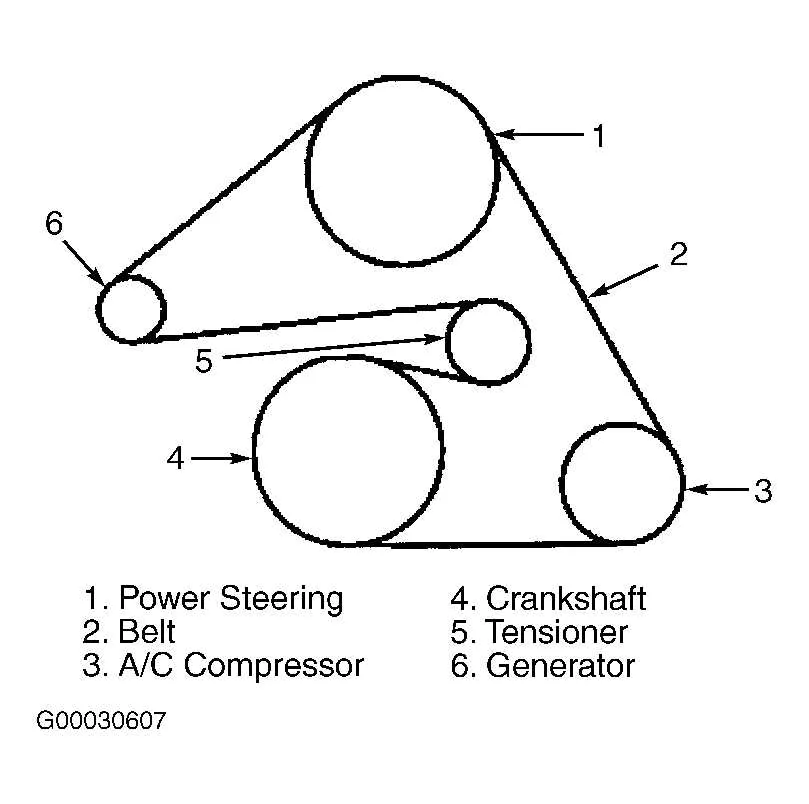
If you’re looking to replace or troubleshoot the serpentine belt on your 2005 Ford Escape 3.0, the belt routing is key for proper function. Here’s the exact layout of the serpentine belt system.
The serpentine belt runs over the following components:
- Alternator
- Power steering pump
- Water pump
- Crankshaft pulley
- Air conditioning compressor (if equipped)
To make the replacement easier, it’s important to have the correct belt tensioner tool. The tensioner allows you to relieve tension on the belt so you can safely remove and replace it.
When installing the new belt, ensure the ribs of the belt face the grooves on the pulleys. Double-check that the belt is seated properly on each component, especially on the tensioner pulley. A belt misalignment can lead to premature wear or damage to the system.
For reference, the diagram below shows the exact routing of the belt around the pulleys:
- Start from the crankshaft pulley at the bottom and route the belt upwards to the water pump.
- Pass the belt to the alternator, then loop it around the power steering pump and back down to the tensioner pulley.
- Ensure the belt goes around the A/C compressor if your model is equipped.
- Finish by securing the belt back to the crankshaft pulley.
Before finishing the installation, check the belt for proper tension and alignment. This will ensure smooth operation of all components driven by the serpentine belt.
How to Identify the Serpentine Belt Routing on a 2005 Ford Escape 3.0
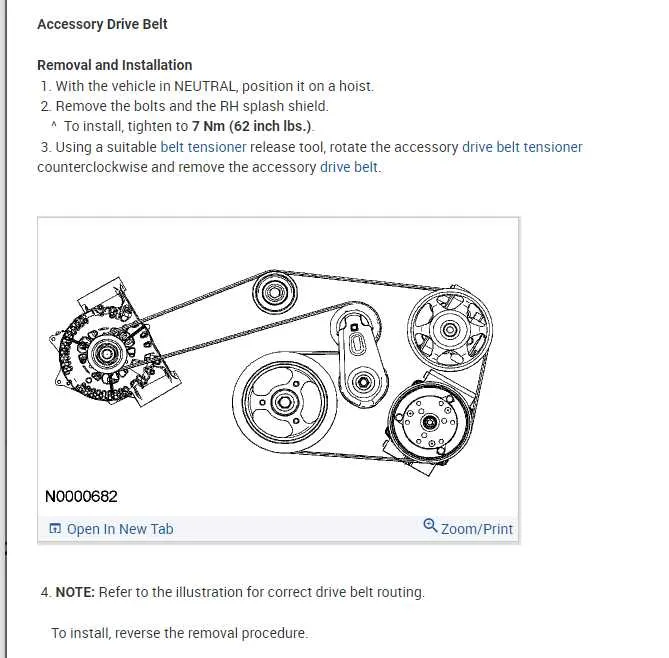
First, locate the diagram for the serpentine belt routing. This diagram is usually found on a sticker or label near the engine, typically on the radiator support or under the hood. If you can’t find it, don’t worry–take a look at the belt tensioner for the routing guide, as it often shows a simplified version.
Next, inspect the tensioner itself. The 2005 Ford Escape 3.0 model uses an automatic belt tensioner, which is responsible for maintaining proper tension in the belt. You’ll notice a small pulley mounted on a spring-loaded arm. This arm will be connected to a bolt, which can sometimes be rotated to loosen the belt.
Once you identify the routing diagram or guide, examine how the serpentine belt loops over the pulleys. Pay attention to the alternator, power steering pump, AC compressor, and water pump. The belt should go around these components in a specific order to ensure they operate correctly.
If you’re replacing the belt, rotate the tensioner counterclockwise with a ratchet to release the tension, and then remove the old belt. When installing the new belt, follow the same routing as shown in the diagram. Ensure the belt sits correctly in all pulley grooves, especially on the alternator and crankshaft pulleys, which are the main power drivers for the system.
Finally, after installing the new belt, manually rotate the engine once to make sure the belt seats properly on all pulleys. If everything aligns, you’re all set. If not, double-check the routing against the diagram and make necessary adjustments.
Common Issues with Serpentine Belt Tension and Alignment in the 2005 Ford Escape
Misalignment of the serpentine belt in the 2005 Ford Escape often results from improper tension or wear on the pulleys. If the belt doesn’t maintain proper alignment, it can slip off the pulleys, causing loss of power to essential systems like the alternator and power steering.
Over time, the belt tensioner may wear out, leading to insufficient tension. A loose belt will begin to squeal or slip, decreasing its efficiency and possibly causing damage to the components. Check the belt tensioner for smooth operation. If it’s stuck or moving irregularly, replacing it should be a priority.
Improper pulley alignment can also lead to premature belt wear. If one of the pulleys is misaligned, it puts uneven pressure on the belt, causing it to fray or break. Misalignment can occur from a damaged water pump, alternator, or even a cracked pulley. Ensuring all components are correctly aligned will prevent unnecessary strain on the serpentine belt.
Another issue to watch for is the accumulation of debris or oil on the serpentine belt. This can affect the belt’s grip on the pulleys, causing slippage and reducing performance. Keep the area around the belt clean and free from contaminants to ensure optimal function.
Regular inspection of the belt and tensioner, along with proper pulley alignment, will help prevent these common issues. If you notice unusual noises, slipping, or decreased performance, it’s time to inspect the serpentine belt system thoroughly.
Step-by-Step Guide to Replacing the Serpentine Belt on a 2005 Ford Escape 3.0
1. Lift the front of your vehicle using a jack and secure it with jack stands. Make sure the car is stable before proceeding.
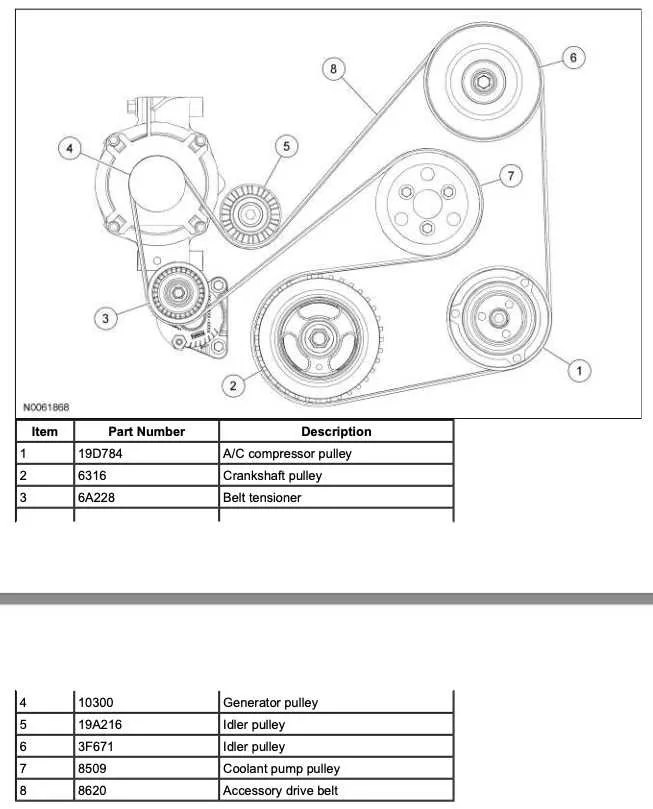
2. Open the hood and locate the serpentine belt. It runs around the alternator, power steering pump, water pump, and air conditioning compressor.
3. Find the tensioner pulley, which keeps the belt under tension. Use a wrench or a socket to rotate the pulley and relieve the tension. This will allow you to remove the belt easily.
4. Carefully remove the belt from the pulleys. Pay attention to the belt routing to ensure you install the new one correctly. You can refer to the belt diagram located under the hood or on the radiator support.
5. Inspect the old serpentine belt for wear, cracks, or damage. It’s a good idea to compare the old belt with the new one before installing it.
6. Place the new serpentine belt around the pulleys, following the belt diagram. Make sure the belt is properly seated on each pulley, particularly the tensioner pulley.
7. Use your wrench or socket to rotate the tensioner pulley again, and slide the belt into place. Release the tensioner slowly to allow it to maintain the proper tension on the belt.
8. Double-check the belt’s alignment and ensure that it sits correctly on all pulleys. Make sure there is no slack or misalignment.
9. Start the engine and observe the belt in motion. Listen for any unusual noises, such as squealing, which could indicate improper installation or belt slippage.
10. Lower the vehicle and test drive it to ensure everything is working smoothly. If you notice any issues, recheck the belt’s alignment and tension.