Dodge Ram 2500 Serpentine Belt Diagram and Routing Guide
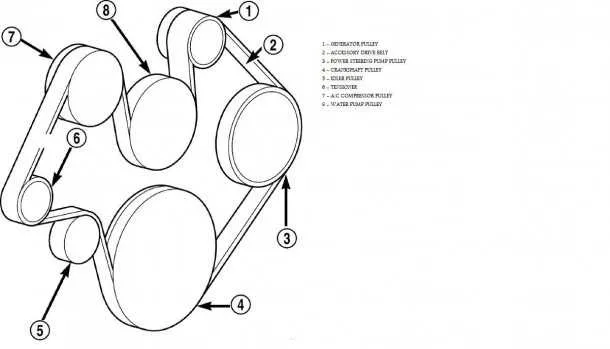
To identify the correct serpentine belt routing on a Dodge Ram 2500, check the belt diagram located near the engine bay, often found on a sticker or label on the radiator support or under the hood. This diagram is crucial for understanding how the belt interacts with various engine components like the alternator, power steering pump, and air conditioning compressor.
If you’re replacing the serpentine belt, always ensure that the new belt matches the specifications listed in the owner’s manual. A correct fit is essential for maintaining proper tension and preventing premature wear. Pay attention to the path shown in the diagram, as it’s easy to make a mistake when reinstalling the belt. Use the tensioner pulley to relieve pressure while installing or removing the belt.
In case the diagram is not visible or has worn off, consult the repair manual for your specific model year. Many online resources provide detailed diagrams as well, based on the engine size and configuration. Keep in mind, while some diagrams may differ slightly depending on the engine variant, the basic belt routing remains consistent across similar models.
Inspect the belt for any cracks, fraying, or wear before reinstallation. A damaged belt can lead to more significant engine problems if not replaced in time. Regular checks and maintenance can save you from unexpected repairs down the road.
Dodge Ram 2500 Serpentine Belt Diagram
For a Dodge Ram 2500, locating the correct serpentine belt diagram is vital for proper installation and maintenance. Typically, the diagram is located on the radiator support or the engine bay itself. If it’s not there, refer to your vehicle’s service manual for the specific routing details.
The serpentine belt in a Ram 2500 drives multiple accessories, including the alternator, power steering pump, air conditioning compressor, and water pump. The belt routing differs slightly depending on the engine model, such as the 5.7L HEMI or the 6.7L Cummins. Always verify which engine type your truck has before reviewing the diagram.
For the 5.7L HEMI, the diagram shows a straightforward routing, where the belt loops around the crankshaft pulley, then passes over the alternator and power steering pump, with a tensioner located near the bottom of the setup. The water pump and A/C compressor are also driven sequentially, with the tensioner allowing for easy adjustments in tension.
For the 6.7L Cummins engine, the setup includes additional pulleys, including the idler and tensioner pulleys. The routing may also require more precise adjustments due to the extra accessories powered by the belt, such as the engine’s turbocharger, depending on the model year. It’s critical to ensure the belt follows the specific routing to prevent damage to components.
Always use the correct belt size when replacing the serpentine belt, as variations in length can lead to improper tension or misalignment, causing the belt to wear prematurely or slip off during operation. Be sure to check the belt’s condition regularly for cracks or fraying to maintain the system’s reliability.
Understanding the Serpentine Belt Layout for Dodge Ram 2500
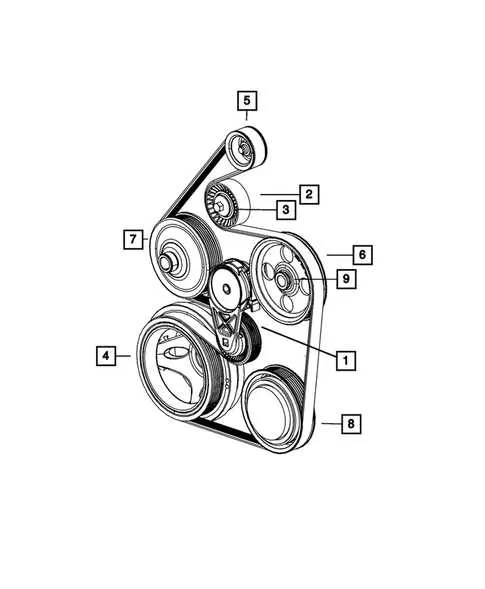
The serpentine belt in your Dodge Ram 2500 is responsible for driving multiple components such as the alternator, power steering pump, and air conditioning compressor. To avoid issues, always ensure the belt is routed correctly. The layout may vary depending on the engine model, so refer to your owner’s manual for precise information.
Here’s a quick guide on how to approach the serpentine belt layout:
- Inspect the Routing Diagram: The easiest way to understand the belt layout is by looking at the diagram typically found on the radiator support or under the hood. This diagram shows the correct belt routing for your specific engine configuration.
- Start with the Pulley Alignment: The belt should run smoothly over all pulleys. Any misalignment or wear on the pulleys can cause premature belt failure. Check that each pulley is intact and functioning correctly.
- Check the Tensioner: The belt tensioner maintains the correct tension on the belt. If it’s worn out or damaged, the belt may slip or wear out faster. Make sure the tensioner is operating as expected.
- Consider the Belt Material: When replacing the serpentine belt, choose a high-quality belt designed for heavy-duty vehicles like the Ram 2500. A good belt will handle the increased load from your truck’s components more effectively.
- Double-Check the Routing: If you ever need to remove the serpentine belt, carefully note how it’s routed or use the diagram to reinstall it correctly. Misrouting the belt can lead to inefficient operation or damage to engine components.
For the most accurate layout, check the diagram for your specific engine model. If you’re not sure or the diagram is unclear, refer to a service manual or consult a professional mechanic.
How to Identify and Replace the Serpentine Belt on Dodge Ram 2500
Check the condition of your serpentine belt regularly to avoid engine performance issues. Look for signs of wear such as cracks, fraying, or missing ribs. If the belt squeaks or squeals, it’s often a sign that it’s slipping or misaligned. A worn-out belt can also cause loss of power to vital components like the alternator, air conditioning, and power steering pump.
To replace the serpentine belt on your Dodge Ram 2500, start by locating the belt tensioner. This is usually on the front of the engine and has a pulley that maintains the proper tension. Use a socket wrench to rotate the tensioner and release the pressure from the belt. Make sure to take note of the belt routing before removing it–taking a picture or referring to the vehicle’s manual will help.
Once the belt is off, inspect the pulleys for wear or damage. Spin each pulley by hand to check for smooth operation. If any pulley is rough or making noise, it might need to be replaced. When installing the new serpentine belt, ensure it follows the exact same path as the old one. Make sure the belt is properly seated in all the grooves of the pulleys.
After installing the new belt, use the socket wrench to slowly rotate the tensioner and allow the belt to fit tightly. Double-check the routing and make sure everything is aligned properly. Start the engine and observe the belt while the vehicle is running, ensuring there are no unusual sounds or misalignments.
If you’re unsure about any part of the process, it’s best to consult the vehicle’s service manual for specific details or get help from a professional mechanic. Replacing the serpentine belt at the right intervals can help avoid unexpected breakdowns and keep your Dodge Ram 2500 running smoothly.
Troubleshooting Common Serpentine Belt Issues in Dodge Ram 2500
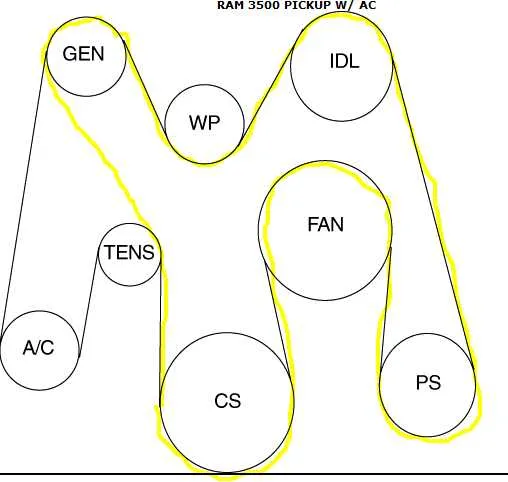
If the serpentine belt on your Dodge Ram 2500 starts making noise or shows signs of wear, it’s crucial to address the issue early. Inspect the belt for cracks, fraying, or glazing. These are often signs that the belt has been under stress and may need replacement. The belt should have a smooth, uniform surface without any visible damage. If you notice any of these, replacing the belt can prevent further issues.
Another common issue is belt slipping. This happens when the belt doesn’t maintain proper tension or alignment. If you hear a squealing noise, especially during acceleration, check the belt for proper tension. If the tensioner isn’t working properly, it could lead to slippage. Use a belt tension gauge to verify the correct tension, or replace the tensioner if it’s worn out.
Sometimes the serpentine belt can come off due to a misaligned pulley. Check the pulleys for any visible damage or misalignment. Even small issues with pulley alignment can cause the belt to jump off or wear out prematurely. Make sure all pulleys rotate freely and without resistance. Any pulleys that feel rough or wobble may need to be replaced or realigned.
If your serpentine belt is making a whining or grinding sound, the issue could be a faulty alternator or power steering pump. These components should spin smoothly with no unusual noises. Inspect both parts to ensure they’re functioning properly. A failing bearing in one of these components could cause the belt to wear out faster or make noise.
To prevent future issues, make sure the serpentine belt is installed correctly and that all components are in good condition. Regular inspections will save you from unexpected breakdowns and extend the life of your Dodge Ram 2500’s serpentine system.