Dodge 318 Serpentine Belt Diagram and Installation Guide
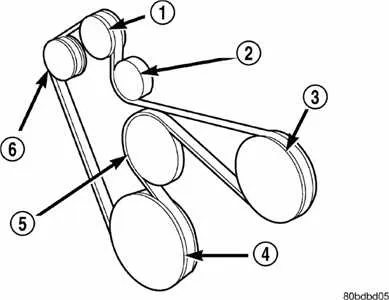
The Dodge 318 engine uses a serpentine belt system to drive multiple components, including the alternator, power steering pump, and air conditioning compressor. Understanding the correct routing of this belt is vital for maintaining proper engine function and avoiding potential damage to the components. Ensure you have the correct diagram before starting any replacement or maintenance tasks.
Refer to the diagram for the precise alignment of the serpentine belt to avoid issues with belt tension and alignment. Pay close attention to the direction in which the belt loops around pulleys, as incorrect installation can lead to premature wear or damage to the belt or engine parts.
If you’re replacing the belt, it’s advisable to check the condition of other components such as tensioners and pulleys to ensure they are functioning properly. Worn-out pulleys or tensioners may cause the new belt to wear unevenly, leading to frequent replacements. Regular inspections will help extend the life of your serpentine belt system and avoid costly repairs.
Dodge 318 Belt Diagram
The Dodge 318 engine uses a serpentine belt system to power multiple accessories, including the alternator, power steering pump, air conditioning compressor, and water pump. Understanding the layout of this belt is crucial for proper maintenance and repairs.
First, examine the routing diagram on the front of the engine. The diagram shows how the serpentine belt wraps around each pulley. It is important to follow this routing precisely when installing a new belt or replacing an old one. A misrouted belt can cause premature wear or damage to the engine components.
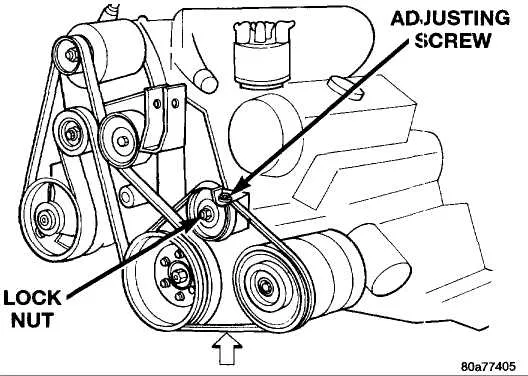
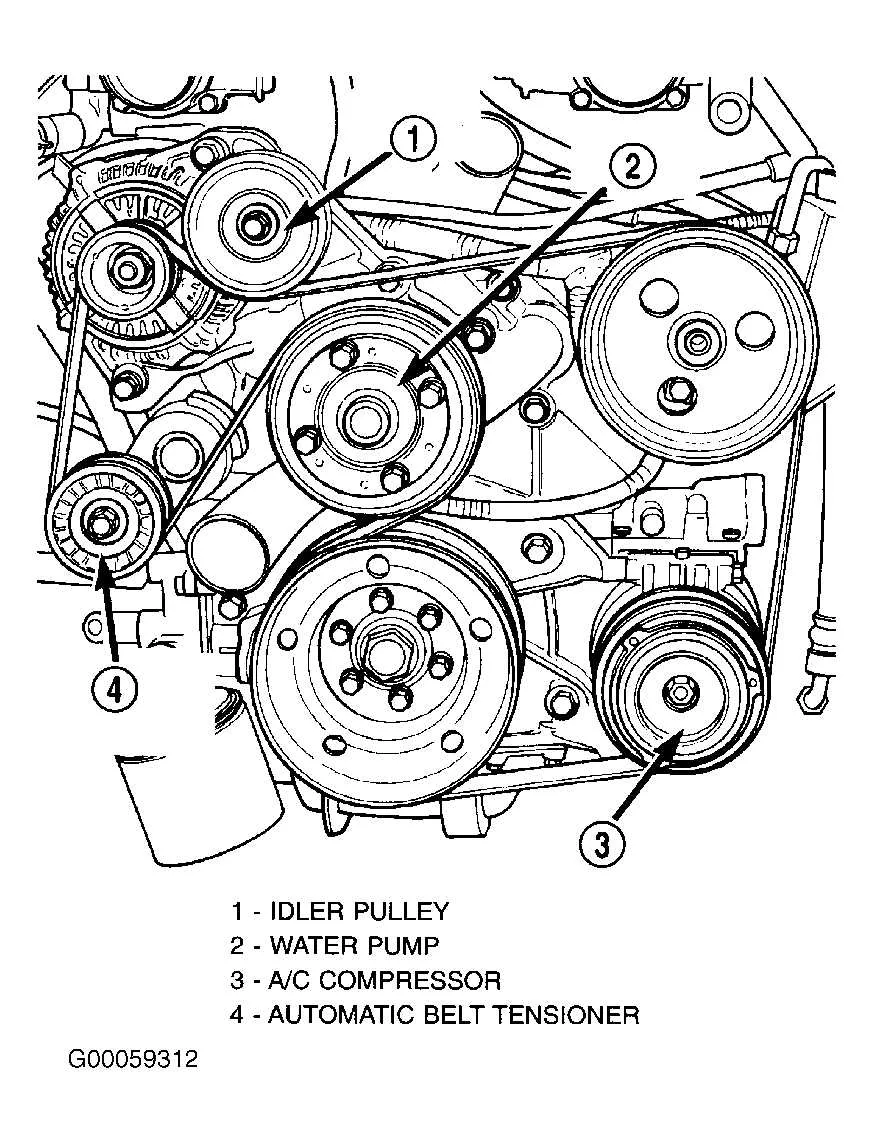
To remove the serpentine belt, locate the tensioner pulley. This pulley is spring-loaded and applies pressure to keep the belt tight. Use a wrench or socket to rotate the tensioner counterclockwise to relieve tension, then slide the belt off the pulleys.
Before installing a new belt, check the condition of the pulleys and tensioner. If there is excessive wear or damage, replace these components to prevent future problems. When installing the new belt, make sure it is properly aligned with all pulleys and that it sits snugly in the grooves.
Finally, check the belt tension after installation. A properly tensioned belt should not be too loose or too tight. If necessary, adjust the tensioner to ensure optimal performance of the serpentine belt system.
How to Identify the Correct Belt for Dodge 318
Check the owner’s manual for the exact belt specifications for your Dodge 318 engine. This will list the correct length, width, and part number for the serpentine or V-belt required. The manual can also specify whether a single or multi-ribbed belt is needed for your setup.
If the manual is unavailable, locate the model year and engine type of your Dodge 318. Different models may require slightly different belts, especially if modifications have been made to the engine. For example, the accessory drive setup might vary between standard and high-performance configurations.
Visit a local auto parts store or use online resources to cross-reference your engine’s details with the belt options available. Online belt diagrams often match part numbers with vehicle specifications, helping you ensure the right fit.
Examine the existing belt for any visible markings, such as part numbers or manufacturer’s names. These markings are helpful for matching a replacement belt, especially if the original part has been replaced before.
Another method is to physically measure the belt’s length and width. While this requires some careful attention, it can be a good backup option to cross-check against your engine’s specifications.
Step-by-Step Guide to Replacing the Serpentine Belt on Dodge 318
First, gather the necessary tools: a new serpentine belt, socket set, ratchet, and a belt tensioner tool. Begin by disconnecting the negative terminal of the battery to ensure safety during the replacement process.
Locate the serpentine belt and note its routing. Refer to the Dodge 318 belt diagram to ensure the correct positioning. In most cases, the belt runs over the alternator, power steering pump, water pump, and air conditioning compressor.
Next, use the belt tensioner tool to release the tension from the old belt. Rotate the tensioner in the direction specified in the vehicle manual to loosen the belt. Carefully remove the old serpentine belt from all pulleys.
Before installing the new belt, compare it with the old one to ensure proper size and alignment. The new belt should be slightly tighter but still able to fit over all pulleys without force.
Install the new serpentine belt by carefully following the routing path shown in the diagram. Begin with the largest pulley and work your way around, ensuring the belt sits properly in each groove. Double-check the alignment of the belt on each pulley to avoid any misplacement.
Once the belt is properly seated, use the belt tensioner tool again to apply tension to the belt. Ensure the tensioner is back in its original position and that the belt is tight but not overly stretched.
Finally, reconnect the battery and start the engine. Observe the belt’s movement to ensure it runs smoothly without any noise or slipping. If there are no issues, the serpentine belt replacement is complete.
Common Issues with the Dodge 318 Belt System
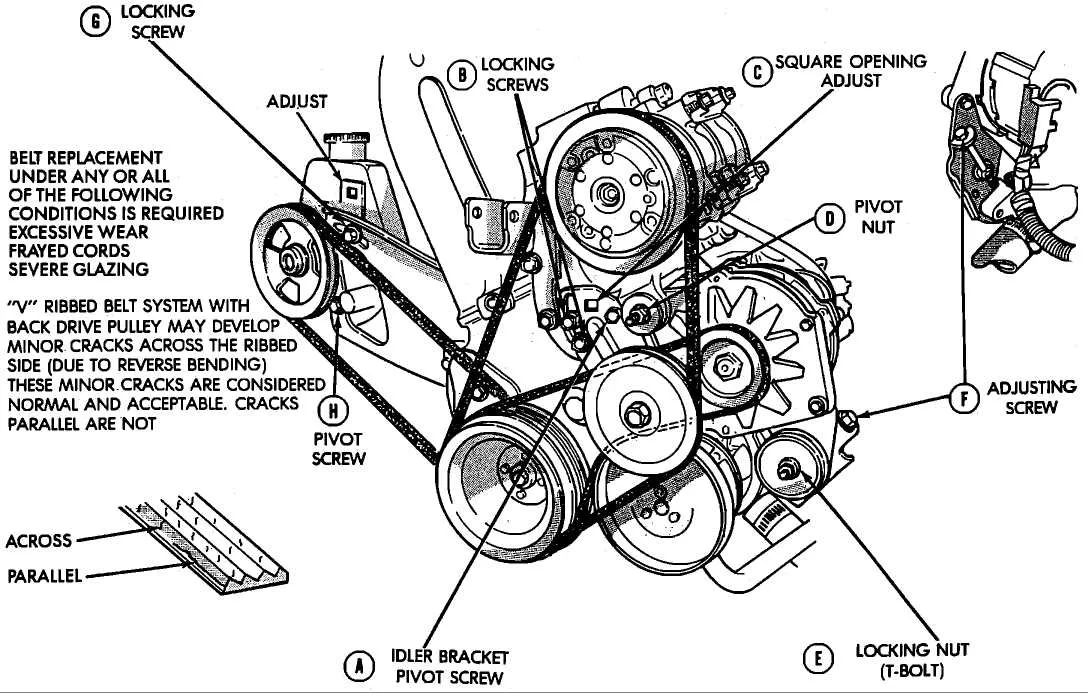
Frequent belt slippage can result from improper tension or worn-out components. Check the tensioner and pulleys regularly. If the serpentine belt is too loose, it can slip, causing power loss and potential damage to the belt system.
A worn-out belt can cause cracking, fraying, or noticeable damage, which affects its ability to function properly. Inspect the belt for signs of wear and replace it if any damage is found. It is recommended to replace the belt every 60,000 to 100,000 miles depending on the condition of the vehicle.
Misalignment is another common issue with the Dodge 318 belt system. If any of the pulleys are not aligned correctly, the belt will not run smoothly. Check the alignment of the pulleys to ensure the belt runs without friction or strain.
Contaminants such as oil, coolant, or power steering fluid leaking onto the belt can cause it to deteriorate quickly. Inspect the belt regularly and clean off any substances that may cause slipping or damage.
Inconsistent or excessive wear on the belt system could be a sign of issues with the alternator, water pump, or power steering pump pulleys. If the belt wears unevenly, check the pulleys for signs of damage or improper operation.
- Ensure the tensioner is operating properly to avoid belt slippage.
- Inspect for cracks, frays, and other visible wear on the serpentine belt.
- Check pulley alignment to prevent misalignment that could damage the belt.
- Clean any leaks of oil or fluid from the belt area to prevent degradation.