John Deere Z245 Belt Diagram Guide for Proper Installation and Maintenance
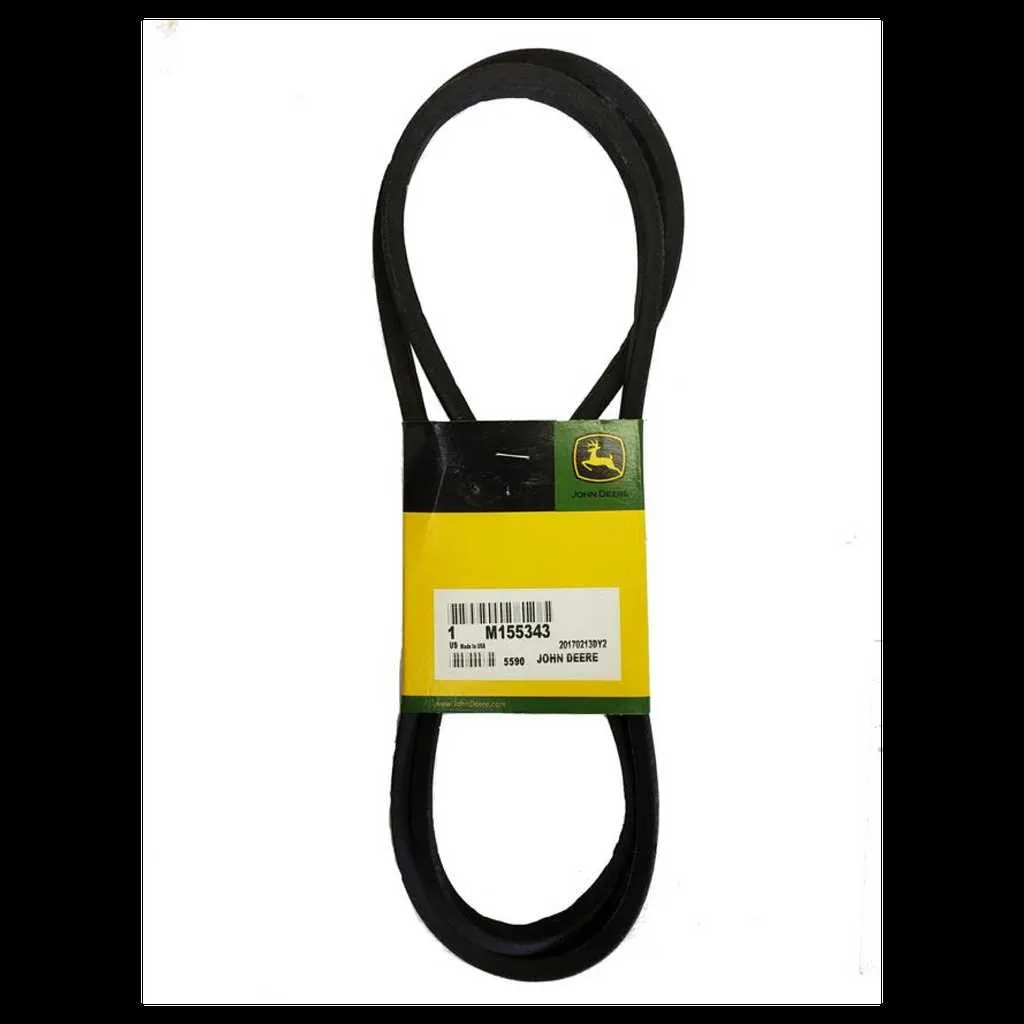
Locate the correct belt path before starting any maintenance on the John Deere Z245. The mower deck uses multiple belts, including the drive belt and mower deck belt, each with a specific routing that ensures smooth operation and proper tension.
Inspect existing belts for wear, cracks, or fraying. Replacing damaged belts promptly prevents slippage and protects the transmission system. Use the diagram to match each belt to its corresponding pulley and tensioner, confirming the correct alignment.
Follow the diagram during installation to maintain proper engagement with all pulleys. The Z245 uses idler pulleys to maintain tension; ensure each belt sits correctly in grooves and rotates freely. Tighten or adjust tensioners according to manufacturer specifications to avoid premature wear.
Regular checks of belt alignment and tension extend the lifespan of both the belts and the mower. Keep the diagram accessible during routine maintenance to quickly verify correct routing and reduce downtime.
John Deere Z245 Belt Diagram Practical Guide for Maintenance and Replacement
Check belt tension regularly to prevent slipping and premature wear. A properly tensioned belt improves mower performance and extends component life.
Follow the specific belt routing indicated in the Z245 diagram. Incorrect routing can lead to uneven cutting, excessive vibration, and damage to pulleys.
- Turn off the mower and remove the key before inspecting or replacing the belt.
- Lift the mower deck to access the belt path and pulleys safely.
- Identify worn sections, fraying edges, or cracks on the belt. Replace any belt showing visible damage.
For replacement, use the belt part number specified for the Z245 model. Ensure the belt matches the mower deck size (42-inch or 48-inch) and transmission configuration.
- Loosen deck mounting bolts and move the deck to its maintenance position.
- Release tension from the idler pulleys to free the old belt.
- Route the new belt according to the Z245 belt diagram, ensuring it sits correctly in all pulley grooves.
- Re-engage idler pulleys to apply proper tension and verify smooth movement.
- Lower the deck, start the engine briefly, and observe belt operation to confirm correct installation.
Lubricate pivot points and check all mounting hardware during belt replacement. Consistent inspection every 25 hours of operation helps maintain optimal performance.
Store spare belts in a cool, dry area to prevent cracking or stretching before use.
Understanding the Layout of Z245 Engine and Deck Belts
Position the engine belt around the crankshaft pulley first, ensuring it seats correctly in the pulley grooves. Route the belt over the idler pulley, maintaining proper tension, then loop it around the transmission pulley. Confirm the belt follows the exact path illustrated in the Z245 diagram to prevent slippage or premature wear.
For deck belts, start with the mower deck spindle pulleys. Pass the belt over the front and rear idlers according to the routing chart, keeping the belt snug but not overly tight. Align the belt so it engages all mower deck pulleys evenly, avoiding twists or crossovers that could reduce cutting performance.
Check each pulley for wear or debris before installation. Rotate the pulleys manually to verify smooth movement and proper belt contact. Adjust the idler springs to achieve the recommended tension, ensuring the engine and deck belts operate without noise or slippage during startup and normal operation.
Maintain the correct belt orientation, especially where multiple belts interact. Misalignment between engine and deck belts can strain the transmission and reduce mower efficiency. Regular inspection and proper routing increase belt life and support consistent cutting quality on the Z245 mower.
Step-by-Step Instructions for Removing and Installing Belts
Begin by disconnecting the spark plug wire to prevent accidental engine start. Raise the mower deck to its highest position and secure it with the deck lock pins.
Locate the idler pulleys and use a wrench to release tension from the belt. Slide the belt off the engine pulley first, then carefully remove it from the deck pulleys. Inspect all pulleys for wear or damage while the belt is removed.
Align the new belt according to the routing diagram, starting with the engine pulley. Loop the belt around the deck pulleys in the proper sequence, making sure it sits fully in the pulley grooves.
Reapply tension by adjusting the idler pulleys until the belt is tight but not overstretched. Rotate the pulleys by hand to ensure smooth movement and correct alignment.
Lower the mower deck and remove the deck lock pins. Reconnect the spark plug wire and perform a test run at low speed, observing belt tracking and tension. Adjust tension if necessary to prevent slipping or excessive wear.
Troubleshooting Common Belt Issues on the Z245
Check the belts for visible cracks, fraying, or glazing. Replace any belt showing wear beyond 1/8 inch deep cracks or missing chunks.
Verify proper belt tension using the tension gauge or by applying moderate pressure at the midpoint. A loose belt can slip and reduce deck performance, while an overly tight belt may damage pulleys and bearings.
Inspect pulleys for wear, misalignment, or debris. A misaligned pulley can cause uneven belt wear, squealing, or slippage. Clean pulleys and adjust alignment to manufacturer specifications.
Examine the idler and tensioner pulleys for smooth rotation. Replace pulleys that feel rough, bind, or wobble under hand rotation, as these can compromise belt routing and tension.
Listen for unusual noises during operation. Squealing typically indicates a slipping belt, while grinding or thumping may point to a pulley or bearing issue.
Ensure proper routing according to the Z245 belt diagram. Incorrect routing often leads to rapid wear, slipping, or complete belt failure.
After installing a new belt, run the mower for a short period under no-load conditions. Recheck tension and alignment, adjusting if necessary to maintain smooth operation.