John Deere L111 Belt Diagram and Troubleshooting Guide
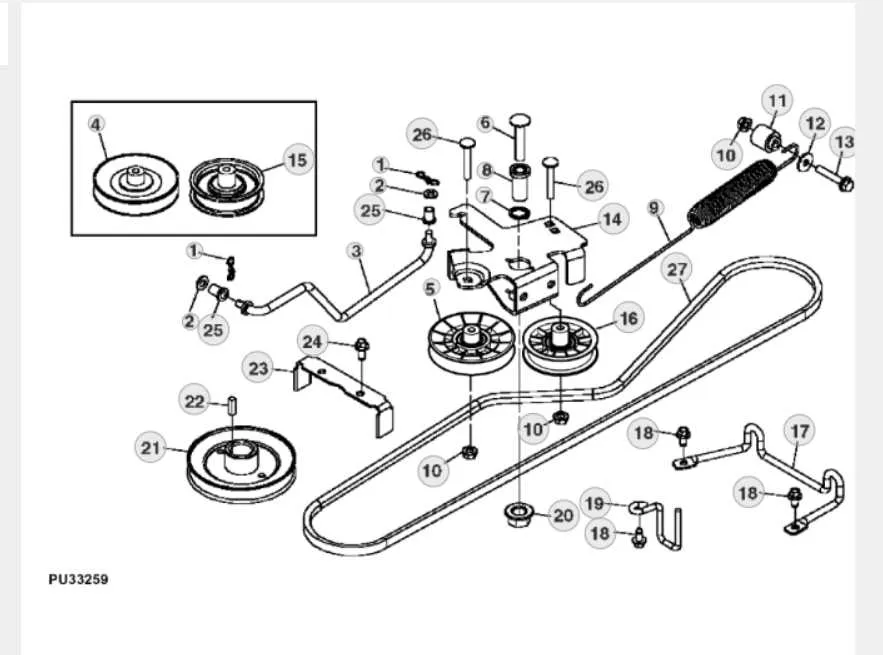
If your John Deere L111 mower’s belt needs replacing or adjusting, understanding its belt diagram is key. This diagram illustrates the precise path the belt takes, ensuring everything runs smoothly. Without it, you might find yourself in a bind when attempting repairs.
The L111 model uses a specific routing system for its belt, with different configurations depending on the particular component you’re working on, such as the drive belt or the deck belt. Following the diagram closely minimizes the risk of improper installation or operation, which can lead to unnecessary wear or even damage to your mower.
Whether you are dealing with a worn-out belt or performing routine maintenance, keep the diagram handy. Not only does it save time, but it ensures the parts function as intended for optimal performance. Check the diagram carefully before you begin the installation or maintenance to confirm the belt’s path matches the required configuration.
John Deere L111 Belt Diagram
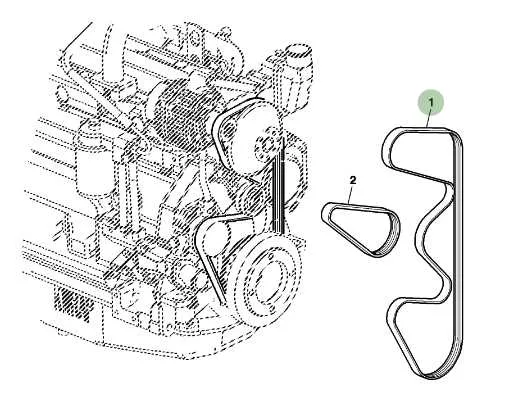
For accurate belt installation on the John Deere L111, refer to this specific diagram to ensure smooth operation and avoid unnecessary wear on the parts.
The primary drive belt runs from the engine’s pulley to the deck’s spindle pulleys. Ensure that the belt follows the correct path, passing over the tensioner pulley and the idler pulleys. A misalignment could lead to excessive wear or even belt failure.
Key steps for proper belt routing:
- The engine pulley connects to the deck through the primary drive belt.
- The belt must pass over the tensioner pulley located just beside the engine pulley.
- Next, it wraps around the idler pulleys that guide the belt across the deck’s spindles.
- Ensure that the belt is positioned tightly, with minimal slack to maintain tension.
- Double-check the alignment of the belt along the idler pulleys to prevent uneven wear.
Maintenance tips:
- Check for any fraying or cracking in the belt after each mowing season.
- Replace the belt if it shows signs of significant wear, as a worn belt can affect cutting performance and increase strain on the engine.
- Ensure that all pulleys are in good condition and free of debris to avoid misalignment.
Using the diagram as a reference, install the new belt, ensuring it follows the same path as the original setup. Tighten the tensioner pulley to maintain appropriate belt tension. A well-maintained belt system ensures the mower operates smoothly for longer intervals without issues.
How to Interpret the John Deere L111 Belt Diagram for Maintenance
Understanding the John Deere L111 belt diagram is key for effective maintenance. Follow these steps to ensure proper belt routing and avoid issues during operation.
- Locate the diagram: The belt diagram is usually found in the engine compartment or on the mower deck. It serves as a visual guide to help you identify the correct placement of belts.
- Identify key components: The diagram shows the mower deck, idler pulleys, and the drive system. Pay close attention to how each pulley interacts with the belt. Notice any direction markings for the belt installation.
- Check belt alignment: Ensure the belt follows the correct path as shown in the diagram. A misaligned belt can lead to wear, slipping, or even breakage.
- Inspect for wear: Look for signs of fraying, cracking, or stretching on the belt. If the diagram shows multiple belts, check each one individually to ensure they’re properly tensioned and free from damage.
- Tighten or replace: If the belt is too loose or damaged, tighten or replace it according to the manufacturer’s specifications. The diagram can help you identify tensioning points for adjustments.
By following the diagram closely, you can keep your John Deere L111 running smoothly with minimal downtime.
Step-by-Step Guide to Replacing the Belt on a John Deere L111
First, ensure your lawnmower is on a flat surface and the engine is completely turned off. Remove the key and disconnect the spark plug to prevent any accidental starting.
Use a jack or lift to raise the mower’s front end for better access to the underside. Position the mower on a stable surface and make sure it’s securely raised.
Locate the belt that needs replacing. You’ll find it running from the engine pulley to the deck pulley. Inspect the path of the belt before removing it, paying attention to any guides or guards that may need to be removed first.
Remove the mower deck. This step varies slightly, depending on the model, but generally involves removing several bolts that secure the deck to the chassis. Use the appropriate wrench to loosen the fasteners and lift the deck off.
Once the deck is removed, inspect the tensioner and pulleys. Check that all components are in good condition and free of debris. If any parts look worn out, consider replacing them to avoid future issues.
Now, remove the old belt. Begin by releasing the tension from the idler pulley or belt tensioner. Once the tension is released, carefully slide the belt off the pulleys and remove it completely.
Take the new belt and route it according to the diagram on the mower deck. Make sure the belt fits snugly around all pulleys, and ensure it is seated correctly on each one. A properly installed belt will lie flat against the pulleys without any twists.
Once the belt is in place, check the tensioner again to ensure proper tension. The belt should be tight enough to not slip, but not so tight that it causes strain on the pulleys or engine.
Reinstall the mower deck by aligning it with the mounting brackets and securing it with bolts. Tighten each bolt securely, but avoid over-tightening.
Finally, reconnect the spark plug, lower the mower back to the ground, and perform a test run to make sure everything operates smoothly. If you hear any unusual sounds or the belt appears to be slipping, recheck the installation.
Common Belt Issues on the John Deere L111 and Troubleshooting Tips
If the belt on your John Deere L111 is slipping or not operating smoothly, check for the following common issues and fixes:
1. Worn or Frayed Belt
Examine the belt for signs of wear, fraying, or cracking. A damaged belt will not maintain proper tension and could slip, leading to poor performance. Replace the belt if you notice significant wear or damage.
2. Incorrect Belt Tension
If the belt is too loose, it may slip off the pulleys or not turn them with enough force. Check the tension and adjust it by either tightening or loosening the tensioner pulley. Make sure the belt is seated correctly in its pulleys.
3. Misaligned Pulleys
Misalignment of the pulleys can cause the belt to wear unevenly or even snap. Inspect the pulleys for signs of wear or bending. If any pulleys are misaligned, realign them to ensure the belt runs smoothly.
4. Damaged or Clogged Pulleys
Debris or dirt buildup in the pulleys can cause friction, affecting the belt’s performance. Clean any debris from the pulleys and check for damage. Replace any pulleys that are cracked or bent.
5. Improper Belt Routing
Ensure the belt is routed correctly according to the diagram for the John Deere L111. A misplaced belt can prevent the mower from working properly. Double-check the routing and adjust it if necessary.
6. Overloaded or Faulty Engine
If the engine is overworking or not operating at full capacity, it can strain the belt. Listen for unusual engine noises and check for overheating. If the engine appears to be the issue, address it before replacing the belt.
7. Worn Idler Pulley
The idler pulley keeps the belt in the correct tension. If this part is worn or damaged, it can affect the belt’s function. Check the pulley for signs of wear and replace it if necessary.
8. Belt Slipping During Operation
If the belt slips under load, ensure it is tight enough and that the pulleys are in good condition. Slipping can occur if the tension is too loose or if the pulleys are not properly aligned. Tighten or replace as needed.
Regular inspection and maintenance of the belt and associated parts will help extend the life of your John Deere L111 and keep it running smoothly. Make sure to replace any worn or damaged components promptly to avoid more serious problems.