6.7 Cummins Serpentine Belt Diagram Without Air Conditioning System
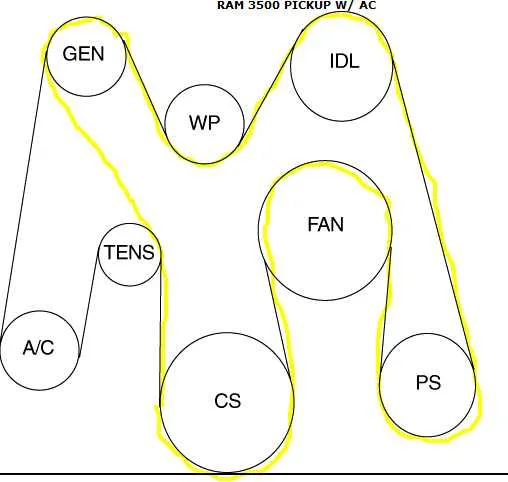
If you’re working on a 6.7 Cummins engine without air conditioning, knowing the exact serpentine belt routing is crucial for maintaining proper engine function. The absence of AC components simplifies the diagram, reducing the number of pulleys involved. It’s essential to follow the correct belt routing to avoid strain on the engine’s accessories and ensure smooth operation.
The serpentine belt typically drives multiple engine accessories, including the alternator, power steering pump, water pump, and sometimes the air compressor. In the case of a non-AC setup, the layout will exclude the AC compressor pulley, simplifying the overall routing. Understanding this difference is important for both replacement and repairs, as any misalignment could lead to premature belt wear or accessory malfunctions.
To install the serpentine belt correctly, start by identifying the tensioner pulley, which maintains the proper belt tension. Using a belt diagram specific to your vehicle model is the best way to ensure accurate installation. Pay attention to the orientation of the belt and the direction of the pulleys to avoid errors.
Cummins Serpentine Belt Diagram No AC
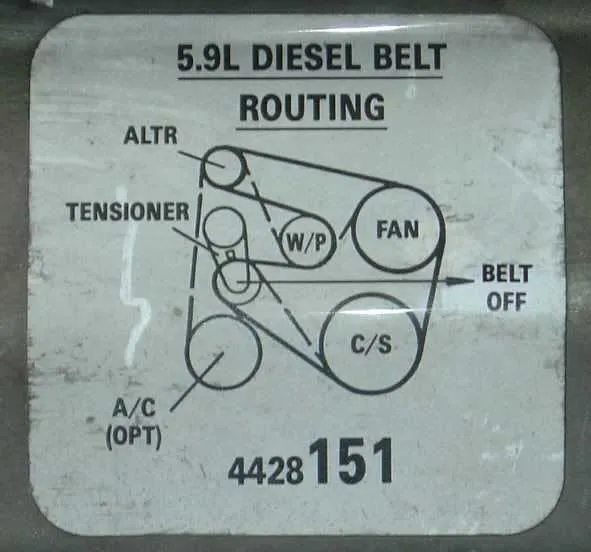
The serpentine belt system in Cummins engines without air conditioning (AC) is simplified compared to models with AC. Without the added load of the AC compressor, the belt path is more straightforward, reducing both complexity and potential points of failure.
For the 6.7 Cummins engine without AC, the serpentine belt typically routes through the following key components:
- Crankshaft Pulley
- Water Pump Pulley
- Power Steering Pump Pulley
- Alternator Pulley
- Tensioner Pulley
Here’s how you can visualize the layout:
- The belt starts at the crankshaft pulley, looping around the water pump pulley.
- Next, it moves toward the power steering pump pulley, then towards the alternator pulley.
- Finally, it routes back to the tensioner pulley for proper tensioning.
Ensure that the belt is routed correctly along this path for smooth operation. The tensioner maintains the correct belt tension to prevent slipping or wear. Regular inspection for wear and proper alignment of the belt is essential to avoid engine issues.
If you are replacing the serpentine belt, remember to use a high-quality replacement that matches the manufacturer’s specifications for your engine model. Incorrect belt size or installation could lead to engine damage or failure.
Understanding the 6.7 Cummins Serpentine Belt Routing Without AC
The 6.7 Cummins serpentine belt routing without AC follows a simpler path, with the belt driving only the alternator, power steering pump, and water pump. The absence of the AC compressor reduces complexity and makes the installation process more straightforward.
Start by routing the belt around the crankshaft pulley. From there, the belt goes to the power steering pump, then to the alternator, and finally to the water pump. The belt should return to the crankshaft pulley to complete the circuit. Ensure that the belt is seated properly in each pulley groove to avoid slippage or excessive wear.
The tensioner pulley plays an important role in maintaining proper belt tension. When replacing the belt, verify that the tensioner is functioning correctly and applies the right amount of tension to keep the belt tight. A loose belt can slip, causing inefficient power transfer, while too much tension can strain the components.
If you’re unsure about belt alignment, refer to the specific diagram for your engine model. A correctly routed and tensioned serpentine belt ensures reliable performance and reduces the likelihood of premature failure.
Step-by-Step Guide to Installing the Serpentine Belt on a 6.7 Cummins Without AC
Begin by raising the front of the vehicle and securing it with jack stands. This will give you better access to the engine compartment. Remove the engine cover if present, as it may block your path to the belt system.
Locate the serpentine belt routing diagram. On a 6.7 Cummins without AC, the belt layout is simpler, with fewer components involved. This diagram will guide you in the correct belt placement.
Next, use a wrench to relieve tension on the tensioner pulley. Insert the wrench onto the bolt located on the tensioner, then rotate it counterclockwise to release the tension on the belt. Once the tension is released, carefully remove the old belt from the pulleys. Take note of the belt’s routing for reference when installing the new one.
Check all pulleys for damage or wear before installing the new belt. Spin each pulley by hand to ensure there are no rough spots or unusual sounds. If any pulley feels damaged or seized, replace it before proceeding.
Install the new serpentine belt by following the routing diagram. Start by threading the belt around the crankshaft pulley, then move up to the water pump, alternator, and other pulleys in the sequence outlined in the diagram. Make sure the belt is seated properly on each pulley, with no twists or slack.
Once the belt is in place, rotate the tensioner pulley again with the wrench to apply tension to the belt. Double-check that the belt is properly aligned on all pulleys and that it sits evenly across them.
Start the engine and observe the belt in motion. Listen for any unusual sounds, and check that the belt is running smoothly. If everything looks good, lower the vehicle, tighten any fasteners, and replace the engine cover.
Your serpentine belt installation is complete. Make sure to monitor the belt during the first few hundred miles for any signs of wear or slipping.
Troubleshooting Common Issues with 6.7 Cummins Serpentine Belt No AC Setup
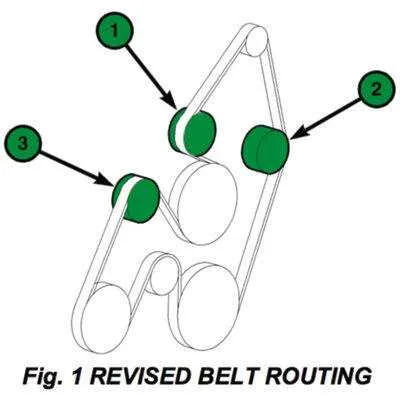
If the serpentine belt on your 6.7 Cummins engine shows signs of wear, slipping, or breaking, it’s important to inspect key components immediately. A common issue with the “No AC” setup is the belt’s routing and tension. Ensure the serpentine belt is routed according to the factory diagram to prevent it from coming off or slipping. Incorrect routing can cause excessive wear and failure of critical components.
Check the tension of the belt. A loose or stretched belt may result in poor performance or failure to drive essential components like the alternator. If the belt is too tight, it could cause damage to the tensioner or pulleys. Using a tension gauge can help you find the ideal tension according to manufacturer specifications.
Inspect the condition of the idler pulleys and tensioners. A faulty pulley or tensioner can cause the belt to lose proper alignment, leading to additional wear or noise. If the pulleys are damaged, replace them immediately to avoid further belt issues.
Listen for unusual sounds. A squeaking or squealing noise usually indicates the serpentine belt is slipping. This can be caused by worn-out belt surfaces, a misaligned pulley, or low belt tension. Replace the belt if it’s worn or cracked, and check the pulleys for smooth operation.
Look for signs of excessive heat. A hot serpentine belt may indicate that one or more components are not functioning properly. Heat buildup can damage the belt and pulleys, leading to premature failure. Examine all components for signs of wear and replace those showing damage.
If the belt is still in good condition but you’re experiencing performance issues, inspect the engine accessories driven by the serpentine belt. A failing alternator, water pump, or power steering pump can put additional strain on the belt. In such cases, replacing the faulty accessory may prevent further belt issues.