2008 Chevy Uplander serpentine belt diagram with routing guide and pulley placement
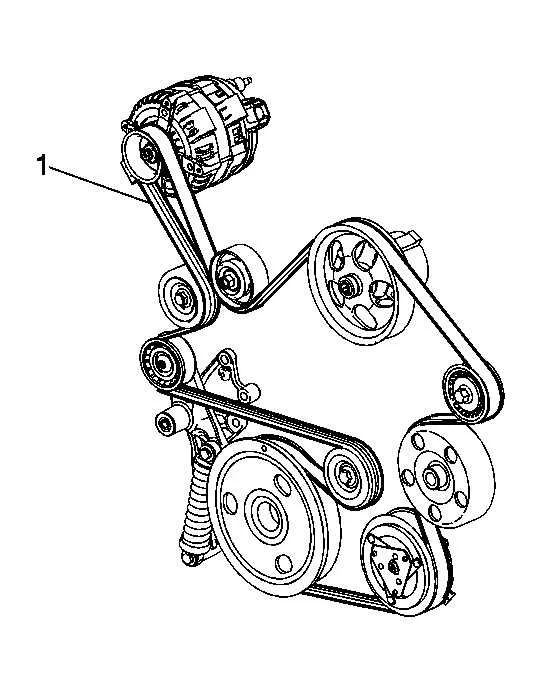
Check the belt condition first, since cracks, missing ribs, or glazing on the surface signal the need for replacement. The serpentine belt in the 2008 Chevy Uplander drives key accessories such as the alternator, water pump, power steering pump, and air conditioning compressor. A damaged belt risks sudden accessory failure, so regular inspection prevents unexpected breakdowns.
Locate the routing diagram sticker under the hood or refer to a reliable diagram if the sticker is missing. The correct routing is critical, as a misaligned belt can slip or damage pulleys. On the 3.9L V6 engine, the belt weaves around the crankshaft pulley, alternator, power steering pump, idler pulleys, and the automatic tensioner. Confirm each rib sits properly in the pulley grooves before tightening.
Use a breaker bar or serpentine belt tool to release the automatic tensioner and slide the belt into place. Apply steady pressure rather than force to avoid damaging the tensioner mechanism. After installing, rotate the crankshaft by hand for one full turn to ensure the belt seats correctly. A quick double-check of alignment prevents squealing, uneven wear, or premature failure.
Keep a spare belt in the vehicle, since replacement only requires basic tools and minimal time once the routing diagram is clear. Regular inspection, proper alignment, and attention to pulley wear extend the life of both the belt and connected components.
2008 Chevy Uplander Serpentine Belt Diagram
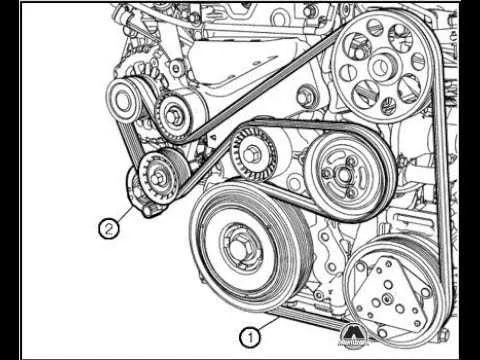
Check the belt routing before removing the old serpentine belt. On the 2008 Chevy Uplander with the 3.9L V6 engine, the belt wraps around the alternator, power steering pump, water pump, A/C compressor, crankshaft pulley, and tensioner. Make sure to note the exact path, as incorrect placement will cause misalignment and noise.
Use a breaker bar or ratchet on the tensioner pulley to relieve pressure and slip the belt off one of the accessories, usually the alternator. After removing the old belt, route the new one according to the diagram under the hood or service manual. Always leave the tensioner for last so you can easily pull it back and slide the belt into position.
Inspect the belt for proper seating on each pulley. The ribs should sit evenly inside the grooves without twisting or overlapping. A quick spin of the pulleys by hand helps confirm that the belt aligns correctly. Tighten everything back in place, start the engine, and check for smooth operation without squeaking or wobbling.
Correct Routing Path for the 2008 Chevy Uplander Serpentine Belt
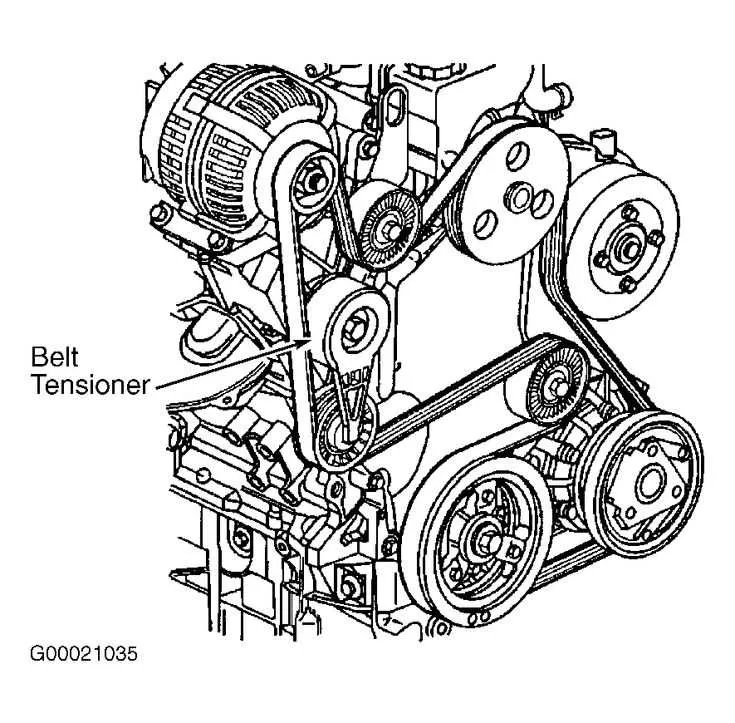
Place the belt around the crankshaft pulley first, since it serves as the main drive point. From there, route the belt over the alternator pulley, ensuring it sits properly in the grooves without twisting.
Continue by pulling the belt around the power steering pump pulley, then direct it across the water pump pulley. Keep steady tension as you guide the belt to avoid slack that could misalign the system.
Next, loop the belt around the A/C compressor pulley. After this step, position the belt over the idler pulley to stabilize the routing and prepare for final tension adjustment.
Finish by wrapping the belt around the automatic tensioner pulley. Use a wrench on the tensioner arm to relieve pressure, slide the belt into place, and release the tensioner slowly to secure the belt with proper tension.
Before closing the hood, verify that every pulley groove lines up correctly and that the belt sits flush across all contact points. A quick double-check prevents premature wear and ensures stable operation of all driven accessories.
Step by Step Guide to Replacing the Serpentine Belt on a 2008 Uplander
Disconnect the negative battery cable before handling the belt to prevent accidental movement of pulleys.
Locate the serpentine belt routing diagram under the hood or prepare a clear sketch of the current path across pulleys. This reference avoids mistakes during installation.
Use a 3/8-inch drive ratchet or serpentine belt tool on the tensioner pulley. Rotate the tensioner clockwise to release tension, then slide the old belt off the nearest pulley.
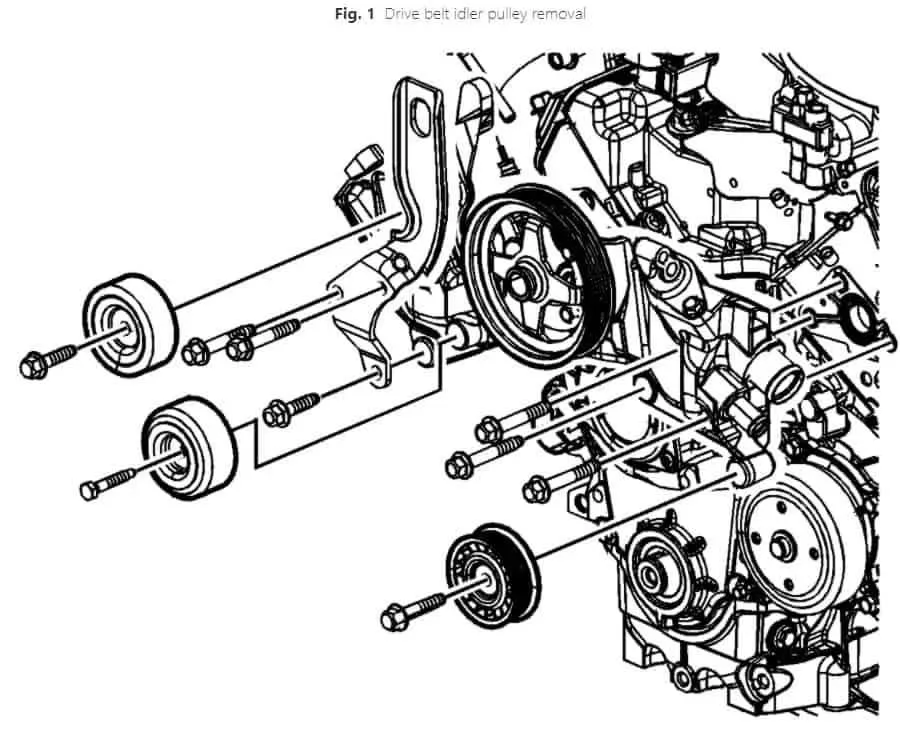
Remove the belt fully from all pulleys and check each pulley for debris, damage, or misalignment. Replace any worn pulley before fitting the new belt.
Route the new belt across the crankshaft pulley first, then follow the diagram through the alternator, power steering pump, and other accessories. Leave the tensioner pulley for last to simplify installation.
Hold the belt firmly on each pulley while rotating the tensioner again. Slip the belt over the tensioner pulley and carefully release tension to secure it in place.
Inspect the belt alignment across every pulley. A misaligned groove will cause squealing or premature wear. Adjust immediately if any ribs are not seated correctly.
Reconnect the battery and start the engine. Observe the belt running across all pulleys to confirm smooth and stable operation without noise or vibration.
Common Issues Caused by Incorrect Serpentine Belt Installation
Install the serpentine belt with precise alignment across every pulley to avoid premature wear and mechanical failures. A misrouted or poorly seated belt creates direct problems that can be identified early if you know what to watch for.
- Squealing noises: A belt that sits off-center or slips on pulleys produces high-pitched sounds, especially during acceleration or when accessories engage.
- Overheating engine: Incorrect tension prevents the water pump from circulating coolant properly, leading to temperature spikes and possible head gasket damage.
- Power steering loss: Misalignment reduces pump performance, making steering heavier and unsafe at low speeds.
- Battery charging issues: An alternator that doesn’t spin at the intended speed will leave the battery undercharged, often triggering dashboard warnings.
- Excessive belt wear: Fraying edges and uneven grooves appear quickly when the belt is routed over the wrong pulley path or under incorrect tension.
Check the routing diagram under the hood or in the service manual before tightening the tensioner. Always inspect pulleys for debris and wear, as installing a new belt on damaged pulleys shortens its service life. Confirm proper tension by ensuring about half an inch of deflection at the longest span.