2007 Chevy Impala Serpentine Belt Diagram and Routing Guide
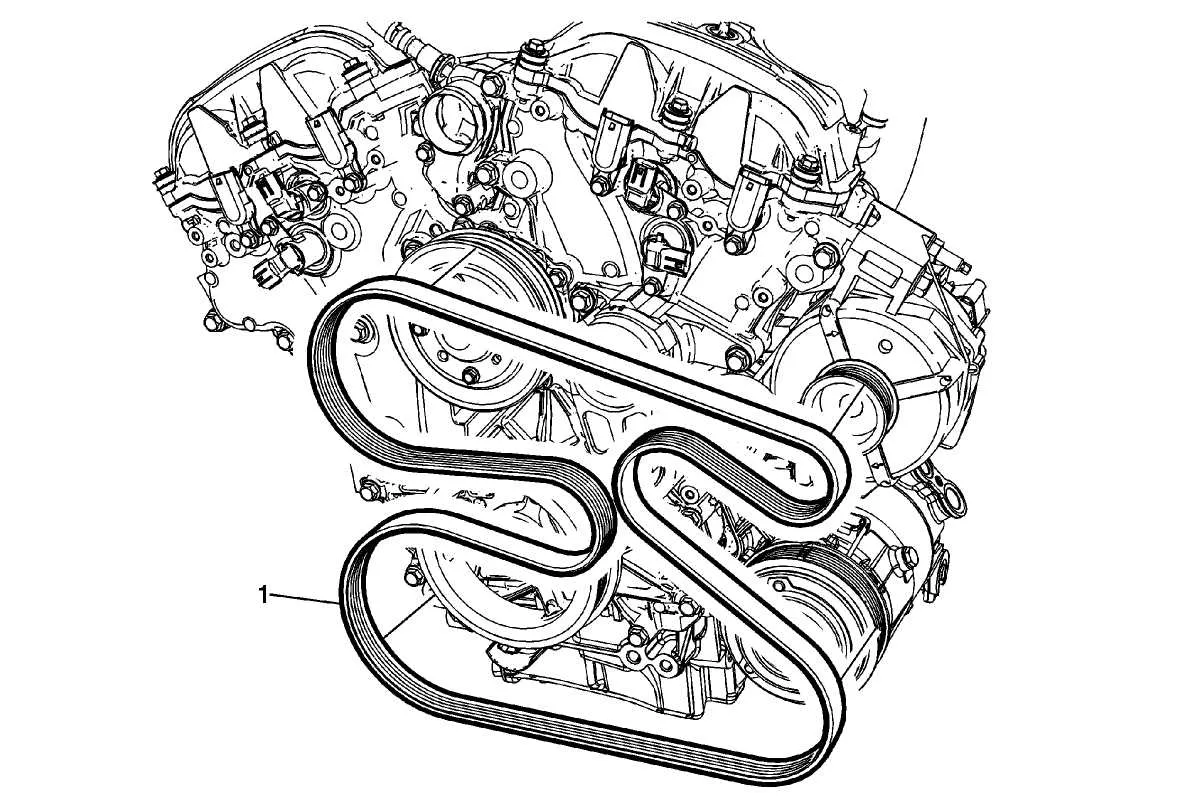
If you’re working on your 2007 Chevy Impala and need to replace or inspect the serpentine belt, having a clear diagram is crucial. This belt is responsible for powering essential components like the alternator, power steering pump, and air conditioning compressor. A proper installation ensures that your engine runs smoothly and efficiently.
The serpentine belt in the 2007 Impala typically runs across various pulleys, with a tensioner to maintain the right amount of pressure. Knowing the exact routing is key to avoiding mistakes during installation. Follow the diagram closely to ensure that the belt follows the correct path, without twisting or causing excess friction.
Here’s the standard routing for the serpentine belt on the 2007 Chevy Impala: the belt starts from the crankshaft pulley, loops around the AC compressor, alternator, and power steering pump, and finishes at the tensioner. Make sure to check the diagram for your engine type (V6 or V8), as the routing might differ slightly between them.
Tip: Before installing the new belt, inspect the pulleys for wear or damage. If any of them are loose or misaligned, replacing the serpentine belt won’t solve the problem, and you might need to replace the pulley or tensioner as well. A belt that’s properly routed and tensioned will run smoothly and keep your engine components working as they should.
2007 Chevy Impala Serpentine Belt Diagram
The 2007 Chevy Impala serpentine belt routing is straightforward but needs to be followed precisely for optimal engine performance. The serpentine belt connects several critical components such as the alternator, power steering pump, water pump, and air conditioning compressor.
Follow these steps for correct belt routing:
1. Crankshaft Pulley: Begin by routing the belt around the crankshaft pulley, the main driver pulley located at the bottom of the engine.
2. Water Pump Pulley: After the crankshaft pulley, move the belt around the water pump pulley. This ensures the water pump is driven to circulate coolant.
3. Alternator Pulley: Pass the belt around the alternator pulley, which charges the battery while the engine runs.
4. Power Steering Pump: Route the belt around the power steering pump pulley to ensure smooth steering functionality.
5. Air Conditioning Compressor: Ensure the belt goes over the air conditioning compressor pulley to keep your A/C working.
6. Tensioner Pulley: Finally, route the belt over the tensioner pulley, which maintains the correct belt tension. This ensures no slipping or unnecessary wear.
Consult the vehicle’s service manual for the exact diagram or check the engine bay for a sticker indicating the proper routing. Always inspect the belt for any visible signs of wear, such as cracks or fraying, and replace it when needed.
How to Locate the Serpentine Belt Routing on a 2007 Chevy Impala
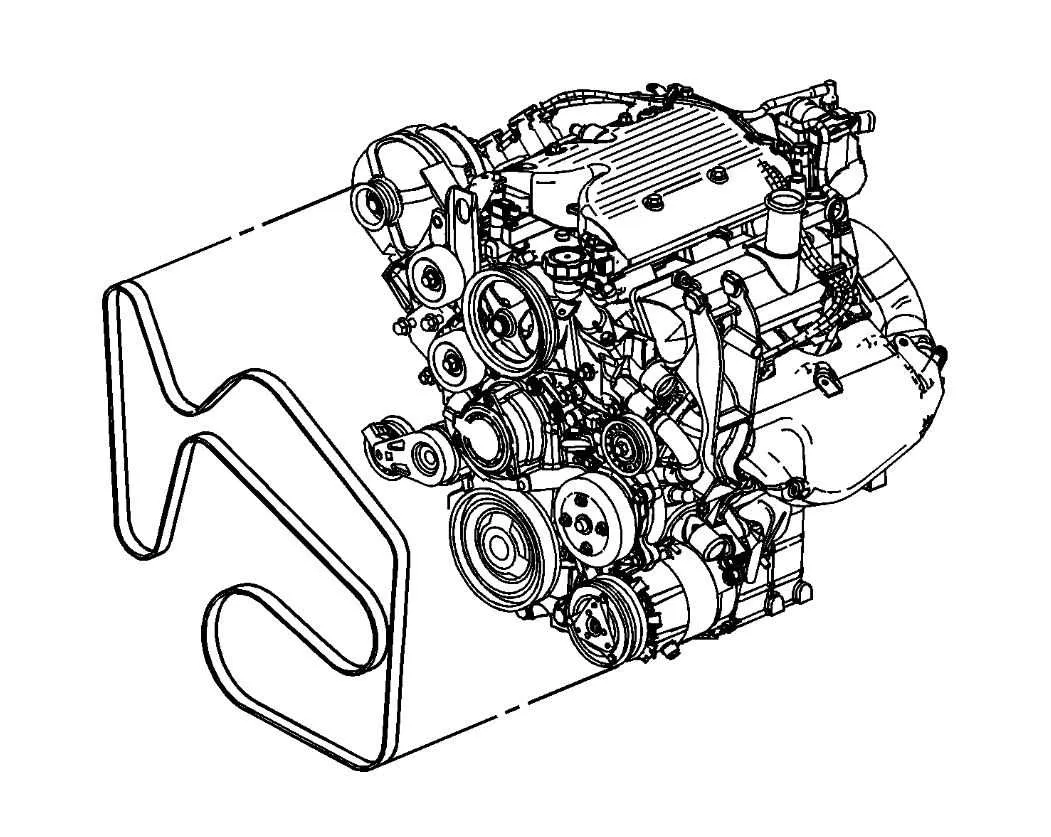
First, open the hood and locate the engine’s serpentine belt assembly. The routing diagram is typically found on a sticker attached to the front of the radiator support or near the alternator. If the diagram is missing, use the following steps to identify the correct routing.
Look for the tensioner pulley, usually located on the passenger side of the engine. This pulley is spring-loaded and helps maintain the correct tension on the belt. You’ll need to use a wrench or a ratchet to release the tension and remove the belt.
Identify the main pulleys connected to the engine components: the alternator, power steering pump, water pump, and air conditioning compressor. The belt must loop around these pulleys in a specific order, starting from the crankshaft pulley at the bottom.
If you are unsure about the correct routing, refer to repair manuals or online resources that provide a diagram for the 2007 Chevy Impala. Once you’ve confirmed the routing pattern, reinstall the belt, ensuring it fits snugly around each pulley. Double-check the alignment before releasing the tensioner pulley.
Common Issues with the Serpentine Belt and How to Identify Them
Check for wear and tear on the serpentine belt if you notice squealing or squeaking noises. These sounds are often caused by a cracked or frayed belt. Inspect the belt’s surface for signs of damage, such as visible grooves, cracks, or pieces of rubber missing. If the belt appears to be misaligned, it could be a sign of worn-out pulleys or a faulty tensioner.
Another common issue is slipping, which can lead to poor performance in components like the alternator, power steering, and air conditioning. If the vehicle’s electrical system is malfunctioning or if the engine temperature rises unexpectedly, the serpentine belt may be slipping. In such cases, examine the belt for proper tension and alignment. Tightening or replacing a worn tensioner could resolve this problem.
Loss of power steering or overheating may also point to a problem with the serpentine belt. If the belt has stretched or lost its grip, it won’t turn the pulleys effectively, leading to engine strain. Test the belt’s tension with a belt tension gauge and replace it if it’s too loose or damaged. A visual check of the tensioner should help identify any issues with its spring mechanism.
Finally, the belt’s material can degrade over time, especially if exposed to high temperatures or harsh chemicals. Discoloration or hardened rubber suggests that the belt has reached the end of its life and may soon fail. Replacing a worn-out belt before it snaps can prevent further damage to the engine components.
Step-by-Step Guide to Replacing the Serpentine Belt on a 2007 Chevy Impala
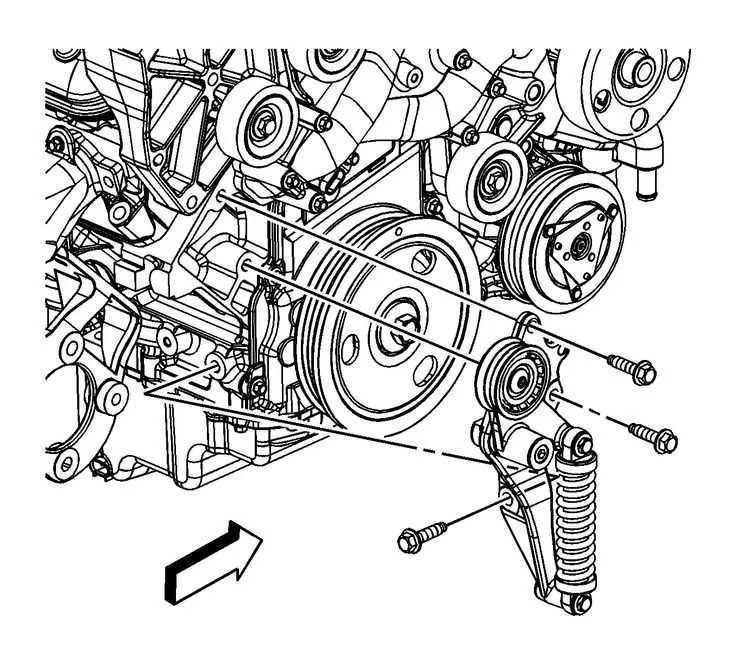
To replace the serpentine belt on your 2007 Chevy Impala, follow these steps carefully to ensure a smooth and reliable replacement.
- Gather the Necessary Tools:
- Socket wrench set
- Serpentine belt tool or a 3/8-inch drive ratchet
- New serpentine belt (check the part number for your model)
- Safety gloves and eyewear
- Locate the Serpentine Belt:
The serpentine belt runs around several pulleys, including the alternator, power steering pump, air conditioning compressor, and the crankshaft pulley. Identify the belt routing diagram on the engine bay or in the owner’s manual.
- Release Tension from the Belt:
Using the serpentine belt tool or a ratchet, rotate the tensioner pulley counterclockwise. This will release the tension on the belt. Keep the tool in place while you carefully slide the belt off the pulleys.
- Remove the Old Serpentine Belt:
Once the tension is released, remove the belt from the pulleys. Take note of the belt routing to ensure the new one is installed correctly. This step is crucial for proper operation.
- Install the New Serpentine Belt:
Position the new belt over the pulleys according to the routing diagram. Make sure the belt sits correctly on each pulley, particularly the grooves, to avoid slippage.
- Apply Tension:
Rotate the tensioner pulley counterclockwise again to add tension to the new belt. Ensure the belt is tight, but not overly strained. Double-check that the belt is properly aligned on each pulley.
- Inspect the Belt Installation:
Visually inspect the belt to ensure it is routed properly and sits securely in place. Check that there is no slack or misalignment.
- Test the System:
Start the engine and let it run for a few minutes. Observe the belt in motion to confirm there are no unusual noises, vibrations, or signs of improper installation.
Following these steps will help you replace the serpentine belt on your 2007 Chevy Impala without complications. If you notice any issues during the test, recheck the belt alignment and tension before driving. Always refer to your owner’s manual for specific details about your vehicle’s belt system.