John Deere L130 Belt Diagram Guide for Accurate Installation and Maintenance
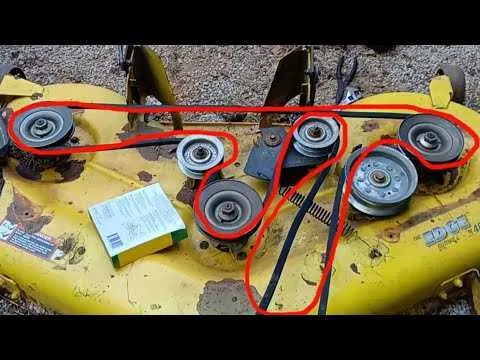
Consult the belt diagram before attempting any adjustments or replacements on the John Deere L130. The deck drive and mower belt paths follow precise routes around pulleys and tensioners, ensuring proper engagement and cutting performance. Misrouting the belts can cause premature wear, slipping, or damage to the mower deck components.
Identify the primary belts including the engine-to-transmission belt and the mower deck belt. The engine-to-transmission belt runs from the engine pulley to the transmission input pulley, while the mower deck belt connects the engine to the deck spindles. Follow the labeled diagram to trace each belt path and confirm that all pulleys are correctly aligned.
Check tensioner positions and pulley rotations against the diagram. The tensioners maintain proper belt tension to prevent slippage and maintain consistent blade speed. Adjust the spring-loaded idler pulleys as shown in the diagram, ensuring belts remain snug without excessive force. Regular inspection using the diagram minimizes downtime and extends the lifespan of all belt-driven components.
Comprehensive Guide to Belt Diagram for John Deere L130
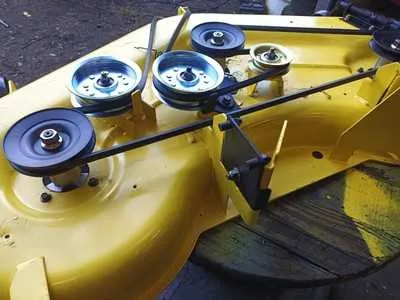
Consult the official belt diagram to confirm correct routing for the John Deere L130 mower. Position the mower on a level surface and engage the parking brake before beginning any adjustments.
Locate the engine pulley, idler pulleys, and deck pulleys according to the diagram. Ensure all pulleys rotate freely without obstruction, as worn or seized pulleys can cause belt misalignment.
Use the correct belt model specified for the L130, typically a John Deere part number GX21951 or equivalent. Compare the belt length and width against the diagram before installation to prevent slack or tension issues.
Route the belt around the engine pulley first, following the path indicated for the drive system. Pass the belt over each idler pulley, ensuring it sits fully in the pulley grooves. Misplacement on any pulley can lead to premature wear.
Install the belt on the mower deck pulleys last, maintaining consistent tension. Check that the belt does not rub against frame components and that it tracks smoothly along all pulleys when the deck is raised and lowered.
Tighten the tensioning idler according to manufacturer specifications. A properly tensioned belt should deflect only slightly under moderate thumb pressure at the midpoint between pulleys. Over-tightening can damage bearings and under-tightening can cause slippage.
After installation, rotate the engine by hand to verify the belt follows the diagram path correctly. Observe the movement of the mower deck to confirm the belt engages all pulleys without skipping or twisting.
Perform a final operational check by starting the mower and slowly engaging the blades. Monitor the belt under power for proper alignment, ensuring it runs smoothly and quietly across all pulleys.
Identifying and Differentiating Belts on John Deere L130
Locate the engine and mower deck areas to access the main belts. The L130 uses a primary drive belt that connects the engine pulley to the transmission and a secondary deck belt for the mower blades. Observe the width and rib configuration: the primary drive belt is wider with multiple ribs, while the deck belt is narrower and has fewer ribs.
Check the part numbers printed on the belts. John Deere belts feature a combination of letters and numbers that indicate length, width, and profile type. Compare these numbers to the John Deere L130 parts manual to confirm the correct belt.
Inspect the pulley routing. The primary drive belt wraps around the engine crankshaft, idler pulleys, and transmission input, forming a distinct path that differs from the deck belt, which loops over the spindles and deck pulleys. Following this visual path helps prevent confusion between belts.
Look for tension differences. The deck belt typically maintains higher tension due to blade engagement, while the drive belt is looser to allow smooth transmission movement. Testing tension manually reveals which belt serves each function.
Identify belt material and construction. The primary drive belt is reinforced with internal cords for strength under torque, whereas the deck belt is more flexible, designed to handle spinning blades. Recognizing these characteristics simplifies maintenance and replacement decisions.
Step-by-Step Belt Routing for John Deere L130
Begin by positioning the mower deck on a flat surface and ensuring the engine is off. Release the tension on the idler pulley using a wrench to create slack in the belt.
Route the deck drive belt around the engine pulley, ensuring it sits securely in the groove. From the engine pulley, guide the belt toward the mandrel pulleys located on the mower deck.
Loop the belt around each mandrel pulley following the specific groove pattern: the belt should cross in a figure-eight formation over the center mandrel, then wrap around the left and right mandrels sequentially.
Guide the belt around the idler pulleys on the frame. Make sure each pulley rotates freely and the belt sits squarely in the groove to prevent slipping or premature wear.
Re-engage the belt tensioner by pulling the idler pulley back into position. Confirm the belt is tight enough to maintain contact with all pulleys without excessive slack, but not overly stretched.
Check alignment visually and manually by rotating the mandrels by hand. The belt should move smoothly over each pulley without twisting or slipping off.
Final inspection ensures proper engagement with the engine and deck pulleys, guaranteeing efficient power transfer and preventing damage to the belt or mower components.
Common Belt Issues and Adjustment Techniques on L130
Check belt tension regularly to prevent slippage or uneven wear on the John Deere L130. Overly tight belts can strain pulleys and bearings, while loose belts reduce cutting efficiency and drive performance.
Inspect belts for visible cracks, fraying, or glazing. Replace any belt showing significant wear immediately to avoid sudden failure during operation.
- Engine Drive Belt: Ensure the belt sits properly on the crankshaft, alternator, and idler pulleys. Adjust the tension by loosening the alternator mounting bolts, moving the alternator to achieve correct tension, and retightening the bolts.
- Deck Drive Belt: Check for alignment along the mower deck pulleys. Adjust using the idler arm spring tensioner; the belt should deflect about 1/2 inch under moderate pressure.
- PTO Belt: Inspect the PTO clutch pulley for proper alignment. A misaligned pulley can wear the belt unevenly. Adjust the clutch position or tension spring as needed.
Listen for squealing noises, which indicate slipping or misalignment. Tighten or realign belts immediately to prevent further damage. Keep pulleys and spindle shafts free of debris and grease to maintain smooth belt operation.
- Stop the engine and disconnect the battery before any adjustment.
- Release belt tension using the idler arms or spring-loaded tensioners.
- Remove worn belts and install replacements, ensuring proper routing according to the L130 diagram.
- Apply correct tension following manufacturer guidelines: moderate deflection under finger pressure.
- Start the mower briefly to verify smooth operation without slipping or squealing.
Regular inspection every 25–50 hours of use helps maintain performance and prolongs belt lifespan. Document belt replacements and adjustments to track wear patterns and anticipate future maintenance needs.