2007 Buick Lucerne Serpentine Belt Diagram and Routing Guide
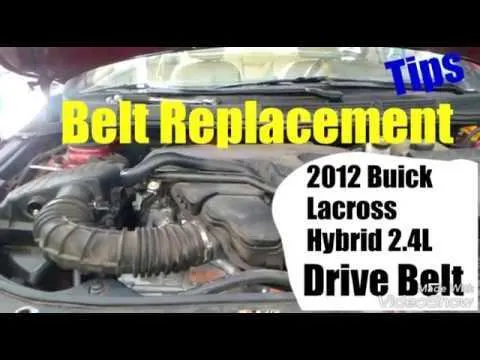
If you’re working on your 2007 Buick Lucerne and need a clear guide to the belt diagram, you’re in the right place. The serpentine belt system in this vehicle is responsible for driving essential components like the alternator, air conditioning, power steering, and more. A well-maintained belt ensures that these systems work smoothly without unnecessary strain on the engine.
The 2007 Buick Lucerne uses a serpentine belt that wraps around several pulleys, making it easier to power multiple components with a single belt. Knowing the exact routing can save you time during repairs and maintenance. If you’re replacing or inspecting the belt, having the correct diagram on hand is critical to ensure proper installation and prevent damage to the engine components.
To make the replacement process easier, it’s best to start by locating the tensioner pulley. This is where you’ll need to use a wrench or serpentine belt tool to relieve tension. Once the belt is off, check for any signs of wear, such as cracks or fraying, and replace the belt if necessary. Be sure to follow the routing guide carefully when installing the new belt to ensure everything runs smoothly.
Consulting the belt diagram and following the correct routing steps will help maintain the functionality of your Buick Lucerne’s engine, preventing issues that could arise from incorrect installation or a worn-out belt.
2007 Buick Lucerne Belt Diagram
The 2007 Buick Lucerne uses a serpentine belt system that powers multiple components, such as the alternator, power steering pump, and air conditioning compressor. Make sure to inspect the belt for wear and tear, including cracks or fraying. Replacing the belt when needed is important to avoid engine damage or loss of power to critical components.
The serpentine belt route varies depending on the engine type. The 3.8L V6 and 4.6L V8 engines in the Lucerne share similar routing, but they may differ in belt length and positioning of components. For example, the 3.8L engine has a simpler setup, while the 4.6L V8 includes additional accessories that need to be routed accordingly.
Ensure the belt tensioner is functioning properly to maintain correct tension. If the tensioner is worn or malfunctioning, the belt may slip or break prematurely, causing engine performance issues. Always check the alignment of the pulleys and the belt’s condition during a belt replacement. Use a diagram specific to your engine type when replacing the belt to ensure proper routing.
If you’re doing the replacement yourself, use a tool to relieve tension on the tensioner pulley, which will allow you to remove the old belt. Make sure the new belt is properly aligned on all pulleys and the tensioner is reset before you start the engine.
How to Read and Interpret the Belt Diagram for the 2007 Buick Lucerne
Start by locating the serpentine belt diagram, typically found on the radiator support or under the hood. This diagram outlines the path of the serpentine belt, showing how it connects to each component such as the alternator, power steering pump, water pump, and air conditioning compressor.
Next, focus on understanding the direction in which the belt moves. Arrows on the diagram usually indicate this. Pay attention to the tensioner pulley, which adjusts the belt’s tightness. This part is critical for maintaining proper tension and preventing slipping.
The diagram also includes numbers or letters to identify the pulleys. Each pulley is named according to its function, so identifying each one helps you confirm the correct routing. For example, the alternator will often be marked with “ALT” or a similar label.
If the diagram shows multiple belt paths (as some models have separate belts for different components), make sure to follow each path carefully. You may need to check for specific belt lengths or types for each individual loop.
Before re-installing a new belt, double-check the diagram to ensure it’s routed correctly. Improper routing can lead to premature wear or malfunction of the engine components. If you’re unsure, comparing the new belt’s path to the diagram can prevent mistakes.
Step-by-Step Guide for Replacing Serpentine and Accessory Belts in the 2007 Buick Lucerne
To replace the serpentine and accessory belts in your 2007 Buick Lucerne, follow these steps carefully.
1. Prepare Your Tools and Workspace
Gather the necessary tools: a socket set, ratchet wrench, belt tensioner tool, and replacement belts. Ensure the vehicle is parked on a flat surface and the engine is cool before starting.
2. Locate the Belts
The serpentine belt runs through multiple engine components, such as the alternator, power steering pump, and AC compressor. The accessory belts are usually smaller and operate other components. Consult the vehicle’s manual for the exact belt routing diagram for your model.
3. Release Tension on the Serpentine Belt
Find the tensioner pulley and use the belt tensioner tool to rotate it, releasing tension on the serpentine belt. Slide the belt off the pulleys while keeping track of the routing.
4. Remove the Serpentine Belt
Once the tension is released, remove the serpentine belt carefully. Take a moment to inspect its condition before disposing of it.
5. Inspect Other Components
Check the pulleys, tensioner, and any other components for wear or damage. If any parts look worn or are making noise, replace them at this stage.
6. Install the New Serpentine Belt
Place the new serpentine belt on the pulleys according to the routing diagram. Ensure it fits snugly in place. Use the belt tensioner tool to apply tension to the belt, making sure it is secure and not too tight.
7. Replace the Accessory Belts
To replace accessory belts, release the tension from their respective tensioners. Remove the old belts and replace them with new ones, following the same procedure as with the serpentine belt. Make sure they are routed properly and tightened correctly.
8. Check Alignment and Tension
Double-check that both the serpentine and accessory belts are properly aligned on the pulleys and have adequate tension. A misaligned belt can cause excessive wear or damage to engine components.
9. Test the Engine
Start the engine and observe the belts as they run. Listen for any unusual noises and check that the belts are operating smoothly. If everything looks good, you’re finished!
Regular maintenance and timely replacement of your belts will keep your 2007 Buick Lucerne running smoothly. Make sure to follow these steps with care for optimal results.
Troubleshooting Common Belt Issues in the 2007 Buick Lucerne
If the serpentine belt or other belts in your 2007 Buick Lucerne are malfunctioning, you’ll notice signs like squealing noises, engine overheating, or loss of power steering. Quickly addressing these issues can prevent more significant engine problems.
Here are the most common belt-related issues and their solutions:
- Slipping Belt: A slipping belt may cause a squealing noise when the car is started or while driving. This is often due to a loose tensioner or a worn-out belt. To fix it, inspect the belt for any signs of wear and replace it if necessary. Ensure the tensioner is applying enough pressure to the belt.
- Cracked or Frayed Belt: Look for visible cracks, tears, or fraying on the belt. These are signs of excessive wear. Replace the belt immediately to avoid it snapping while driving, which could cause major engine damage.
- Damaged Tensioner: If the tensioner isn’t keeping the belt tight enough, the belt will either slip or become too loose. To check, manually test the tensioner’s spring resistance. If it’s weak or broken, replace it.
- Noise from the Belt: A squealing or chirping sound could indicate a misaligned pulley or debris caught in the belt. Inspect all pulleys for alignment and clean any debris. If the noise persists, consider replacing the belt as it may be wearing unevenly.
- Overheating Engine: A malfunctioning serpentine belt can cause the water pump to stop working, leading to an overheated engine. If you notice the temperature gauge rising, immediately inspect the belt. Replace it if it’s loose or damaged.
Regular inspection of the serpentine belt and related components can help catch these problems early. Be proactive about replacing any worn parts and maintain proper tension to ensure your Buick Lucerne runs smoothly.