Complete Dodge 5.7 Engine Belt Routing Diagram and Component Layout Guide
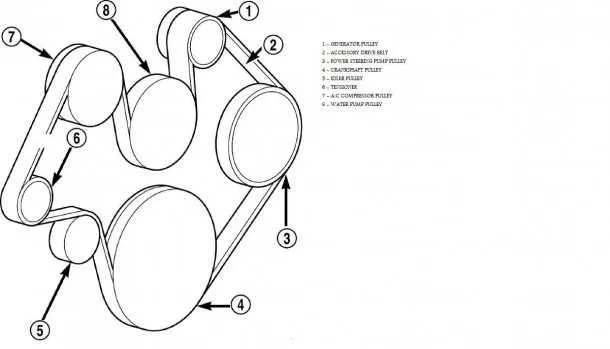
Locate the serpentine belt routing on your Dodge 5.7 HEMI by checking the diagram stamped under the hood or in the owner’s manual. Align each pulley according to the exact layout: crankshaft, alternator, power steering pump, water pump, and AC compressor. Misalignment can cause belt slippage or premature wear, so confirm each connection visually before installation.
Use a tensioner tool to relieve tension on the old belt, then carefully guide the new belt around the pulleys. Follow the arrows or the printed diagram closely to ensure the belt runs smoothly without twisting. For models with automatic tensioners, allow the tensioner to settle fully to avoid over-tightening.
Inspect pulleys and components while replacing the belt. Worn bearings, misaligned pulleys, or cracks in the old belt indicate replacement of affected parts. Keeping the belt path clean from debris improves lifespan and prevents squealing during engine operation. Always double-check routing before starting the engine to prevent immediate damage.
Keep a printed or digital copy of the diagram in the vehicle for future maintenance. The Dodge 5.7 belt layout rarely changes between years, but small adjustments for accessories like aftermarket alternators or AC units may require careful attention. A clear diagram helps maintain consistent tension and avoids engine performance issues.
Dodge 5.7 Belt Diagram Guide
Align the serpentine belt according to the factory routing to prevent misalignment and premature wear. The 5.7L HEMI engine uses a single serpentine belt that drives the alternator, power steering pump, water pump, and A/C compressor.
Follow this routing sequence for accurate installation:
- Start at the crankshaft pulley at the bottom center.
- Loop the belt clockwise around the water pump.
- Continue to the alternator pulley at the top left.
- Wrap around the A/C compressor on the right side.
- Route under the idler pulley and then over the power steering pump.
- Finish by returning to the crankshaft pulley, ensuring proper tension via the automatic tensioner.
Check the belt for cracks, fraying, or glazing before installation. Replace the tensioner if it shows excessive play, as it maintains optimal pressure on the belt. Keep all pulleys free of debris and ensure they spin smoothly to prevent noise and uneven wear.
Use a belt diagram sticker found under the hood for visual confirmation. If the sticker is missing, follow the pulley sequence carefully, matching pulley size and orientation. Always rotate the engine manually one full turn after installation to confirm the belt tracks correctly on all pulleys.
Lubricate the tensioner pivot lightly with a high-temperature grease only if recommended in the service manual. Avoid over-tightening; the automatic tensioner regulates the correct load. Inspect alignment periodically during routine maintenance to extend belt life and maintain engine performance.
Locating the Serpentine Belt on a Dodge 5.7 Engine
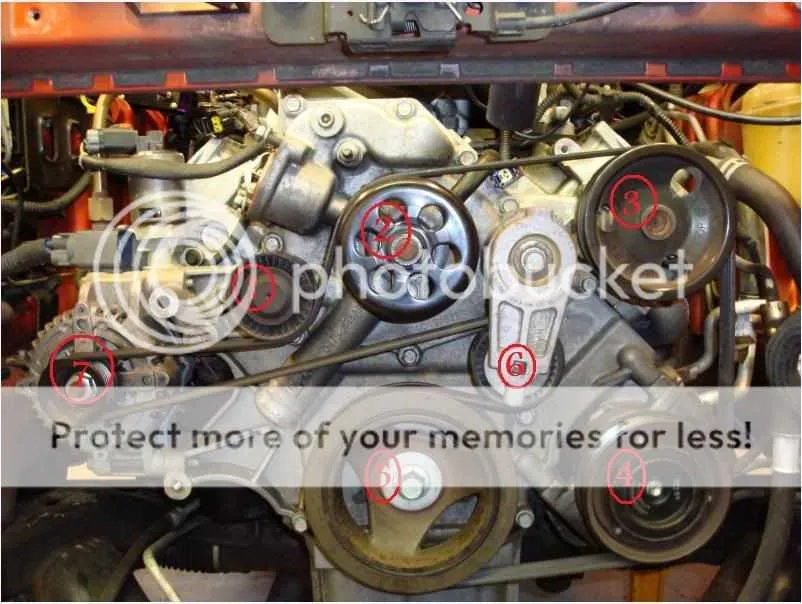
Identify the serpentine belt by opening the hood and standing in front of the engine. On the Dodge 5.7 HEMI, the belt wraps around the crankshaft pulley at the bottom center of the engine. Trace its path upward to the alternator on the passenger side and then toward the power steering pump located near the front of the engine bay.
Next, follow the belt to the water pump pulley positioned near the middle of the engine and the air conditioning compressor on the driver’s side. Tensioner pulleys keep the belt tight; locate the automatic tensioner near the top center. Use a wrench to rotate the tensioner and release the belt if removal or inspection is necessary.
Check the routing diagram printed on the underside of the hood or inside the engine compartment for confirmation. Aligning the belt with the correct pulleys ensures proper function of the alternator, power steering, and A/C system. Pay attention to the grooves on the belt–they must match the pulley patterns exactly to avoid slipping or noise.
After positioning the belt on all pulleys, rotate the crankshaft manually to verify alignment. Ensure the belt sits fully in the pulley grooves without any twisting. Proper placement guarantees smooth operation of the engine accessories and prevents premature wear.
Step-by-Step Belt Routing for Common Accessories
Route the serpentine belt clockwise, starting at the crankshaft pulley. Slide it over the water pump pulley, ensuring it sits securely in the grooves. Next, loop the belt around the alternator, keeping tension consistent to avoid slipping.
Continue by guiding the belt under the power steering pump pulley, then over the idler pulley closest to the front engine mount. Verify alignment along each groove, preventing mistracking that can cause noise or premature wear.
Pass the belt under the air conditioning compressor pulley if equipped, then around the tensioner. Apply slight pressure to the tensioner with a wrench to allow the belt to seat fully. Release the tensioner carefully so it maintains proper belt tension automatically.
Double-check all contact points, confirming the belt sits flat without twisting. Rotate the crankshaft manually two full turns to ensure smooth motion across every accessory. Inspect for gaps or misalignment and adjust immediately if needed.
Secure any auxiliary brackets or guides that could interfere with the belt path. Reassess tension and alignment after engine start, listening for squeaks and checking that all pulleys spin freely without wobble.
Replacing the Dodge 5.7 Serpentine Belt Safely
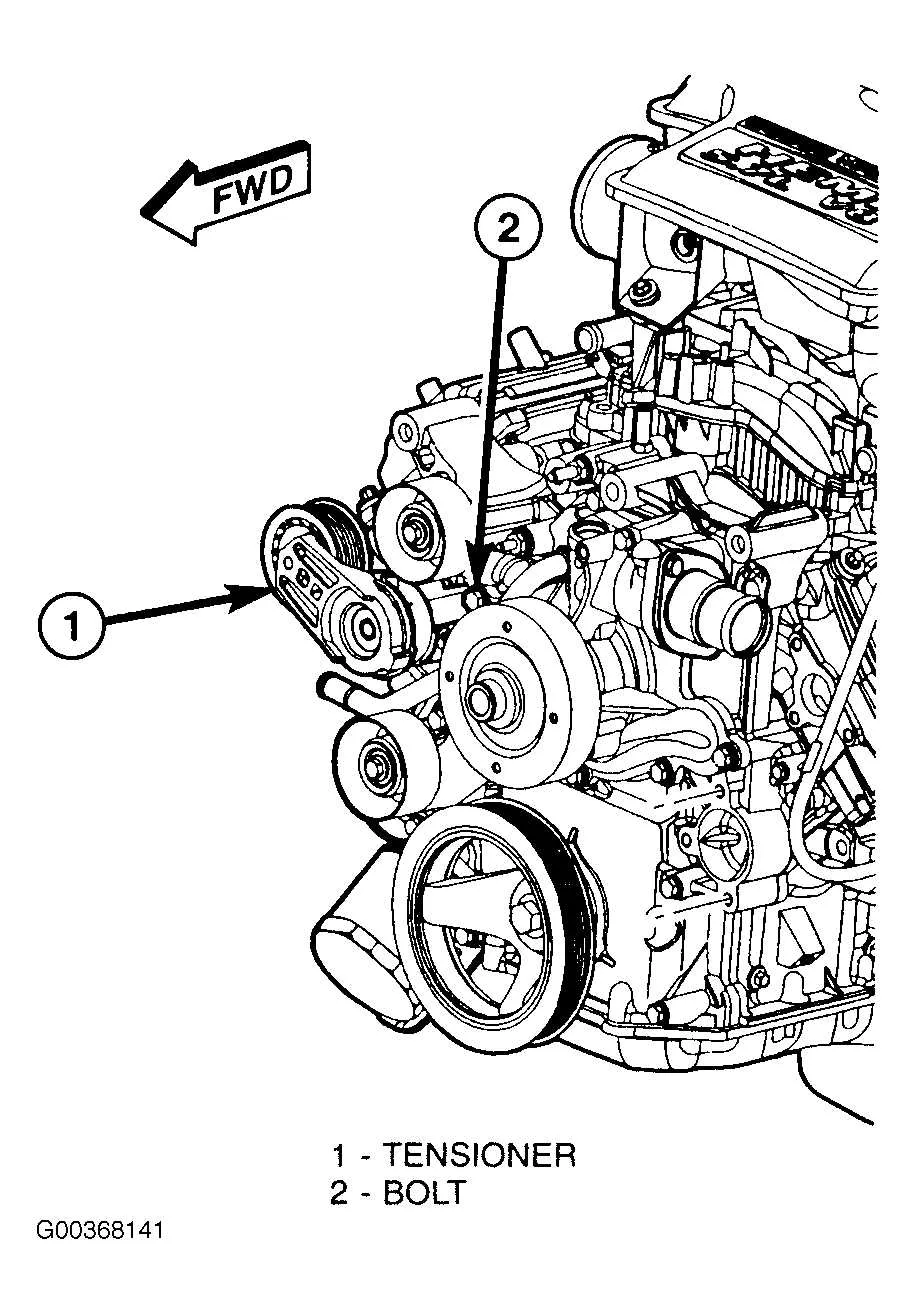
Disconnect the negative battery cable before touching any components. This prevents accidental engagement of the engine while you work. Use a wrench to loosen the serpentine belt tensioner, which is located near the front of the engine on the driver’s side.
Inspect the belt routing and take a clear photo or sketch. The Dodge 5.7 uses a single serpentine belt that runs over the alternator, power steering pump, water pump, and AC compressor. Following the exact path ensures correct tension and avoids misalignment that could damage pulleys.
Use a serpentine belt tool or long-handled ratchet to rotate the tensioner and remove the old belt carefully. Avoid forcing it off as this can damage the tensioner spring. Check all pulleys for wear, wobble, or rough rotation and replace any faulty components before installing the new belt.
Install the new belt according to your reference photo or diagram. Ensure the ribbed side sits properly in the pulleys’ grooves. Slowly release the tensioner to apply tension evenly. Double-check that the belt tracks correctly on every pulley, paying attention to the AC and alternator alignment.
Reconnect the battery and start the engine for a quick observation. Listen for squeaks or rattles and verify that the belt rotates smoothly. Inspect again after a short drive to confirm proper seating and tension. Routine inspection every 10,000 miles helps extend the belt’s lifespan and prevents unexpected failures.