2008 Jeep Grand Cherokee 3.7 Belt Diagram with Pulley Routing and Replacement Guide
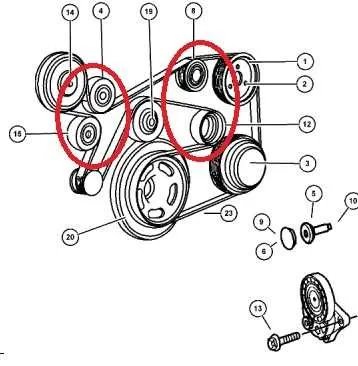
Check the serpentine belt on the 2008 Jeep Grand Cherokee 3.7 for cracks, fraying, or glazing before it causes a sudden breakdown. Replace it every 60,000 to 100,000 miles or sooner if wear is visible. A clear belt diagram ensures correct routing during installation, preventing misalignment and unnecessary strain on pulleys.
The 3.7L engine layout places the belt across the alternator, power steering pump, A/C compressor, water pump, and tensioner pulley. The routing requires precise attention to the direction around each component. Missing one groove or reversing the path can lead to overheating, battery drain, or steering issues.
Use a 15mm wrench or serpentine belt tool to release the spring-loaded tensioner. Slide the old belt off carefully and match the new belt’s length with the old one before fitting. Follow the diagram step by step, ensuring the ribbed side sits correctly in the pulley grooves and the smooth side rides over the idler pulleys.
After installation, rotate the crankshaft manually with a breaker bar to confirm the belt is seated properly on all pulleys. A quick inspection under good lighting helps catch misalignment before starting the engine. Keeping the belt diagram accessible in the engine bay or service manual makes future replacements faster and safer.
2008 Jeep Grand Cherokee 3.7 Belt Diagram
Follow the belt routing by starting at the crankshaft pulley, which drives the entire system. From there, the belt moves upward to the power steering pump and continues to the alternator. This sequence keeps electrical output steady while supporting hydraulic steering performance.
Next, the belt runs across the water pump, maintaining coolant circulation. After that, it loops through the idler pulley and tensioner. Both components keep proper alignment and constant tension, preventing slippage and uneven wear.
Finally, the belt wraps around the A/C compressor before returning to the crankshaft pulley. This closed loop ensures all accessories operate in sync. For accuracy during installation, use the factory routing diagram located under the hood or in the service manual. Always inspect pulleys for smooth rotation before tightening the tensioner.
Serpentine Belt Routing for 2008 Jeep Grand Cherokee 3.7
Route the serpentine belt clockwise from the crankshaft pulley, moving toward the A/C compressor pulley. From there, guide it around the idler pulley before wrapping it over the alternator pulley. Continue by routing it under the tensioner pulley, then direct it toward the power steering pump pulley.
After looping around the power steering pump, route the belt under the water pump pulley and finish by aligning it back to the crankshaft pulley. Ensure each rib sits correctly in the grooves of the pulleys to avoid slippage or premature wear.
Before releasing the tensioner, double-check that the belt follows this exact path without crossing itself. Apply steady pressure on the tensioner with a breaker bar or ratchet, then seat the belt fully on each pulley. A correct alignment guarantees smooth accessory operation and reduces noise during engine run.
Identifying Pulleys and Components in the Belt Layout
Check the belt path from the crankshaft pulley and follow each connection to recognize the correct routing. Each pulley serves a specific function, and distinguishing them prevents misalignment.
- Crankshaft Pulley: The largest wheel at the bottom, driving all accessories through belt rotation.
- Alternator Pulley: Positioned at the upper side, converting mechanical motion into electrical power for the battery and systems.
- Power Steering Pump Pulley: Usually on the driver’s side, delivering hydraulic pressure for steering assistance.
- Water Pump Pulley: Near the center, circulating coolant through the engine to control temperature.
- Idler Pulley: A smooth wheel guiding belt direction and keeping contact with multiple pulleys.
- Tensioner Pulley: Spring-loaded component maintaining proper belt tension to avoid slipping or noise.
- Air Conditioning Compressor Pulley: Located low on the passenger side, transferring motion to engage the A/C system.
Inspect each pulley for smooth rotation and alignment. Replace worn bearings or cracked surfaces to avoid belt damage. A clear understanding of the layout simplifies installation and reduces risk of routing errors.
Steps to Replace the Serpentine Belt Safely
Disconnect the negative battery cable to avoid accidental starts and keep tools away from moving parts. Place the vehicle on a level surface and ensure the engine is completely cool before beginning.
Locate the belt routing diagram under the hood or take a clear photo of the belt path. Use a 3/8-inch or 1/2-inch drive ratchet to rotate the tensioner clockwise and release tension on the belt. Slide the old belt off the pulleys while keeping track of its path.
Inspect the pulleys for cracks, wobbling, or rough edges. Replace worn components before installing the new belt to avoid premature wear. Align the new belt according to the diagram, making sure it sits fully in the grooves of each pulley.
Rotate the tensioner again, slip the belt over the final pulley, and slowly release the tensioner to secure the belt in place. Double-check alignment across all pulleys to confirm proper seating.
Reconnect the negative battery cable, start the engine, and observe the belt while it runs. Watch for vibrations or misalignment. Shut off the engine and make adjustments if necessary.