Serpentine Belt Diagram and Routing Guide for Your Vehicle
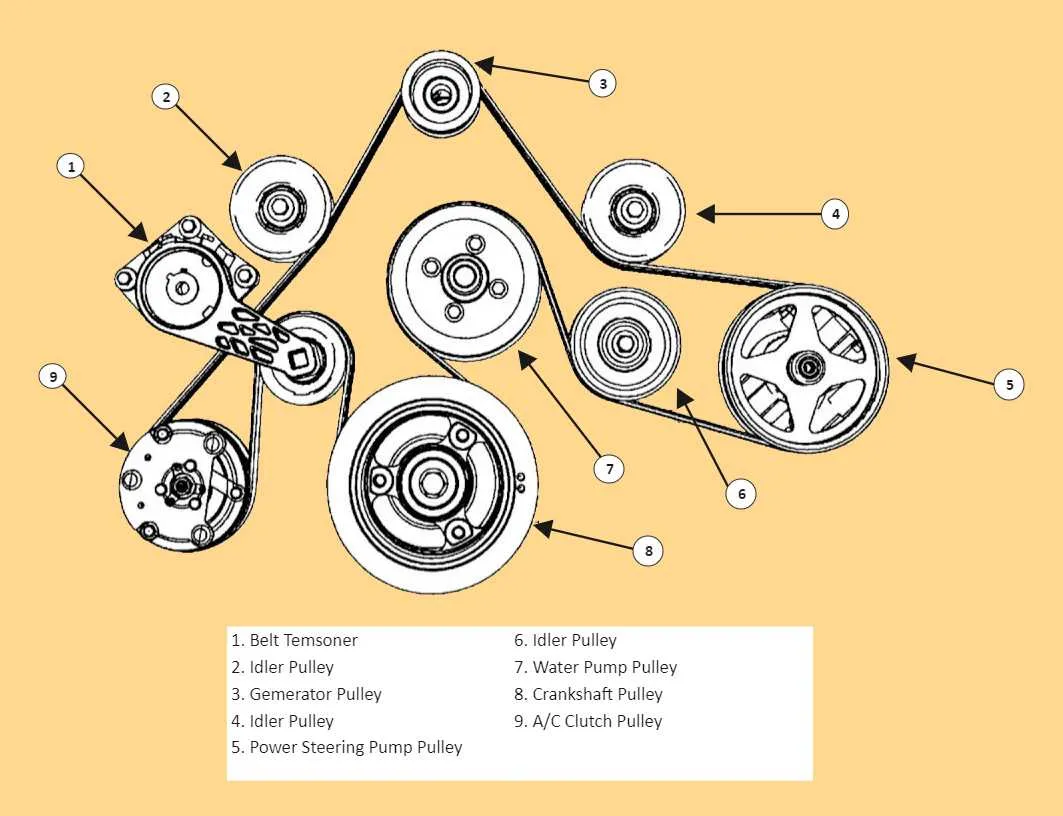
The serpentine belt plays a key role in powering multiple components in your vehicle, such as the alternator, power steering pump, and air conditioning compressor. Understanding its layout and function is critical for maintenance and troubleshooting.
Locating the serpentine belt is the first step when diagnosing issues. It typically runs along the front of the engine, connecting several pulleys. The belt’s route is crucial for ensuring all components are powered efficiently. Check the diagram specific to your vehicle model for accurate belt routing.
Replacing the serpentine belt is often necessary after noticing signs of wear, such as squeaking noises or visible cracks. The replacement process requires loosening the tensioner pulley to remove the old belt and install a new one. Follow the diagram closely to ensure proper alignment.
Serpentine Belt Diagram: A Complete Guide
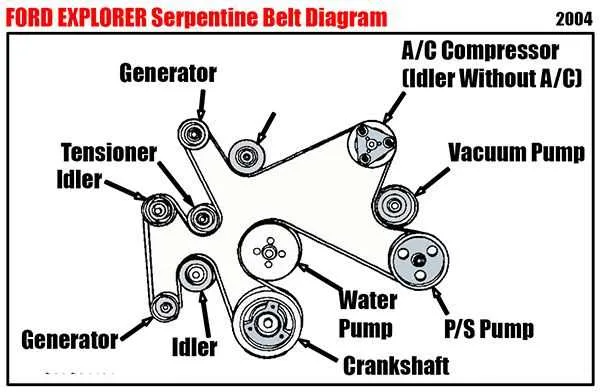
Locate the serpentine belt routing diagram under the hood, usually on the radiator support or the engine cover. This diagram illustrates the belt path around all pulleys, including the crankshaft, alternator, power steering pump, water pump, and tensioner.
Verify the belt orientation before removal. Each loop and pulley must match the diagram to maintain proper tension and accessory operation. Misalignment can cause premature wear, noise, or accessory failure.
When replacing the belt, follow the diagram precisely. Use a wrench or serpentine belt tool to release tension from the automatic tensioner. Slide the old belt off and route the new one according to the diagram, ensuring all ribbed sides contact the correct pulleys.
Double-check that the belt sits correctly in every pulley groove. A visual inspection while rotating the crankshaft by hand can confirm alignment and smooth movement. Tighten the tensioner and verify the belt’s tension is within the manufacturer’s specifications.
Keep a copy of the diagram for reference during maintenance. Different engine options may have variations in routing, so always match the diagram to the specific engine type and model year.
How to Read and Understand a Serpentine Belt Diagram
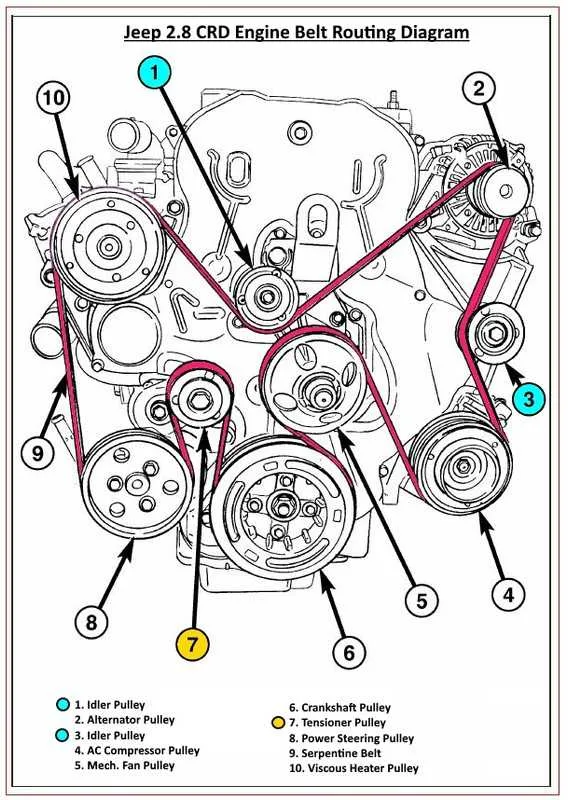
Locate the diagram on the vehicle’s engine compartment or service manual. Identify each component labeled on the diagram, such as the alternator, power steering pump, water pump, air conditioning compressor, and crankshaft pulley.
Follow the belt path indicated by the lines connecting the pulleys. Note the direction of travel, which is usually shown with arrows or a specific routing pattern. Ensure you understand which pulleys are driving and which are idlers or tensioners.
Check for any tensioner positions marked on the diagram. The tensioner maintains proper belt tension and often has a specific rotational direction for loosening or tightening the belt during installation.
Compare the diagram with the physical layout in the engine bay. Verify that each pulley matches the diagram’s labeling and orientation, paying attention to unusual angles or stacked pulleys that might affect belt routing.
Identify any special routing instructions, such as crossing belts over or under certain pulleys. These details prevent slippage and ensure all accessories receive proper rotation.
Trace the belt path mentally or with a pencil to visualize the complete loop before removal or installation. Confirm that all pulleys align correctly and the belt tensioner can maintain proper tension along the full route.
Keep the diagram accessible during maintenance. Refer to it whenever adjusting, replacing, or inspecting the serpentine belt to prevent incorrect routing that could cause accessory damage or engine performance issues.
Common Issues Identified in Serpentine Belt Diagrams
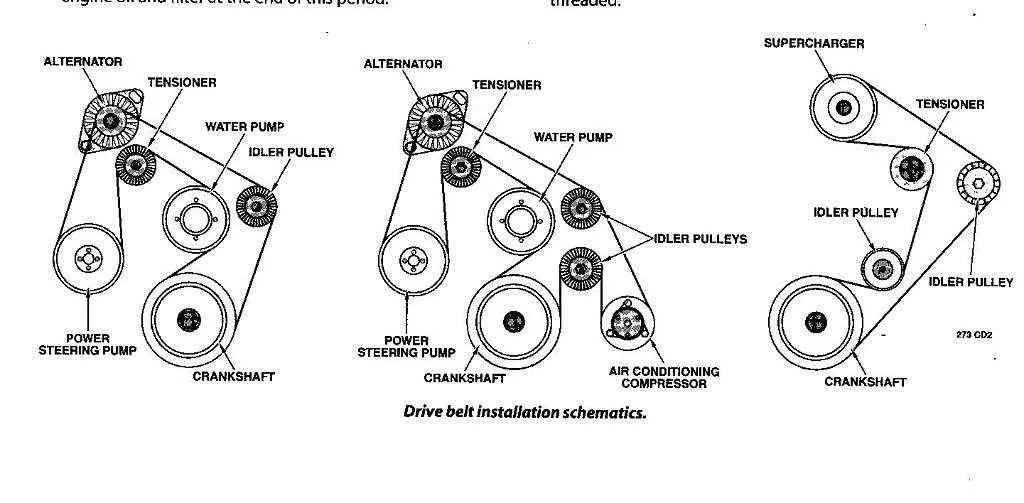
Check the routing path carefully, as most belt failures occur due to incorrect installation. Use the diagram to verify each loop around pulleys matches manufacturer specifications.
- Misaligned pulleys can be spotted if the belt path in the diagram does not match the installed setup, leading to premature wear or slipping.
- Cracks and fraying often appear in sections that run over tensioners or idler pulleys with sharp angles. The diagram helps identify these stress points.
- Missing or loose components such as tensioners or guides are detectable when a diagram shows a pulley that is absent or improperly positioned.
- Incorrect belt length can be identified by comparing the diagram’s routing to the actual belt tension. Too long or too short belts affect alternator or AC performance.
- Overlapping or twisted belts are often visible in diagrams highlighting the correct sequence; any deviation indicates a potential twist or crossover issue.
Use the diagram to cross-check pulley labels. For example, the alternator, water pump, power steering, and AC pulleys must align precisely with their positions on the diagram to prevent wear or noise.
Refer to the diagram to trace tensioner movement. If the belt does not move smoothly over the indicated path, tensioner misalignment or spring failure may be causing slippage or squealing.
Compare wear marks on the belt to the diagram to detect unusual friction points. Any section running differently than the diagram suggests could indicate a misaligned accessory or a failing pulley bearing.
Steps to Locate and Replace the Serpentine Belt Using the Diagram
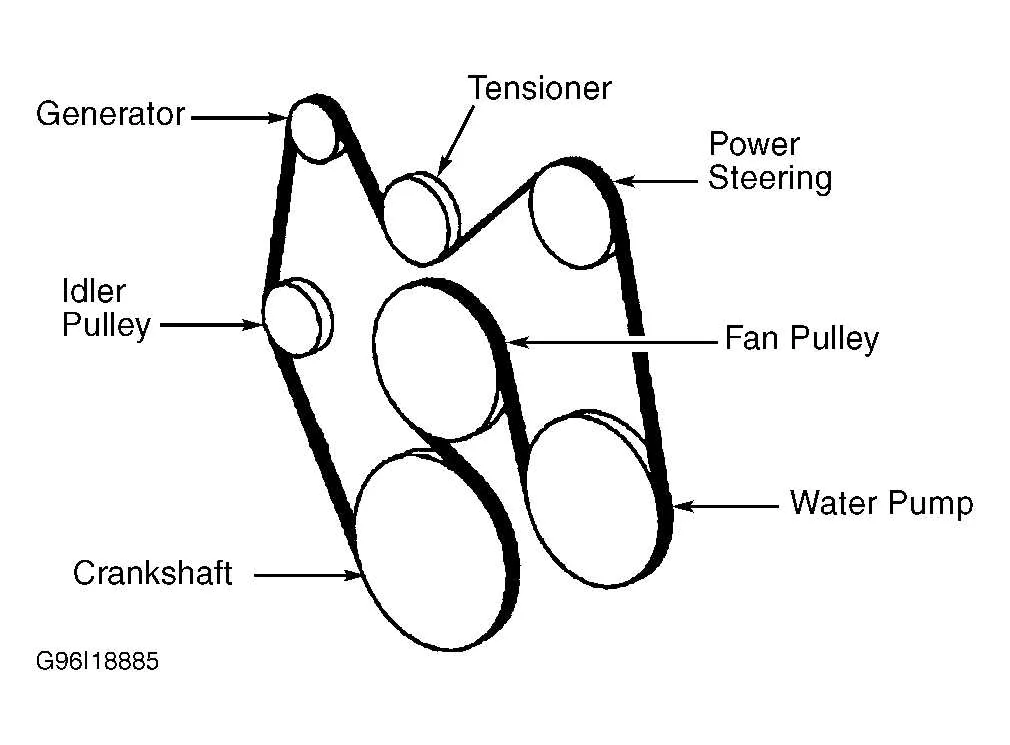
Identify the serpentine belt routing diagram, usually located on the radiator support, engine cover, or inside the owner’s manual. Confirm that the diagram matches your engine configuration before proceeding.
Relieve tension on the belt by locating the tensioner pulley. Use a wrench or serpentine belt tool to rotate the tensioner in the direction indicated on the diagram, creating slack for belt removal.
Trace the belt path on the diagram and mark the routing to ensure correct installation. Remove the old belt from each pulley sequentially, noting the position of idler and accessory pulleys.
Inspect each pulley and the tensioner for wear, misalignment, or rough rotation. Replace any damaged components before installing the new belt to avoid premature failure.
Position the new serpentine belt around the pulleys following the diagram exactly. Ensure the belt sits properly in each pulley groove, avoiding cross-threading or twisting.
Release the tensioner slowly, applying pressure to seat the belt evenly. Rotate the engine manually using a socket on the crankshaft pulley for one full revolution to verify proper alignment and tension.
Double-check the routing against the diagram. Confirm that all pulleys turn freely, and the belt maintains correct tension across all accessory drives.