2001 Nissan Frontier Serpentine Belt Diagram and Routing Information
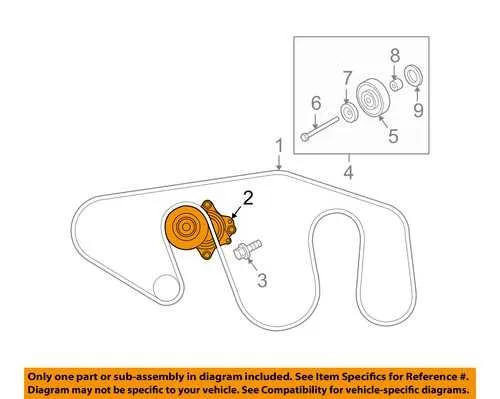
To replace or inspect the serpentine belt on your 2001 Nissan Frontier, follow this straightforward guide. The belt routing diagram is crucial for ensuring proper installation and optimal vehicle performance.
Locate the belt routing diagram on the engine bay, usually found near the radiator or on the underside of the hood. This visual reference will guide you in the correct path for the serpentine belt, reducing potential mistakes during installation.
Before replacing, double-check the belt’s condition. Look for signs of wear such as cracks, fraying, or glazing. If the belt is damaged, it’s crucial to replace it promptly to avoid engine complications.
How to Identify and Locate the Serpentine Belt on the 2001 Nissan Frontier
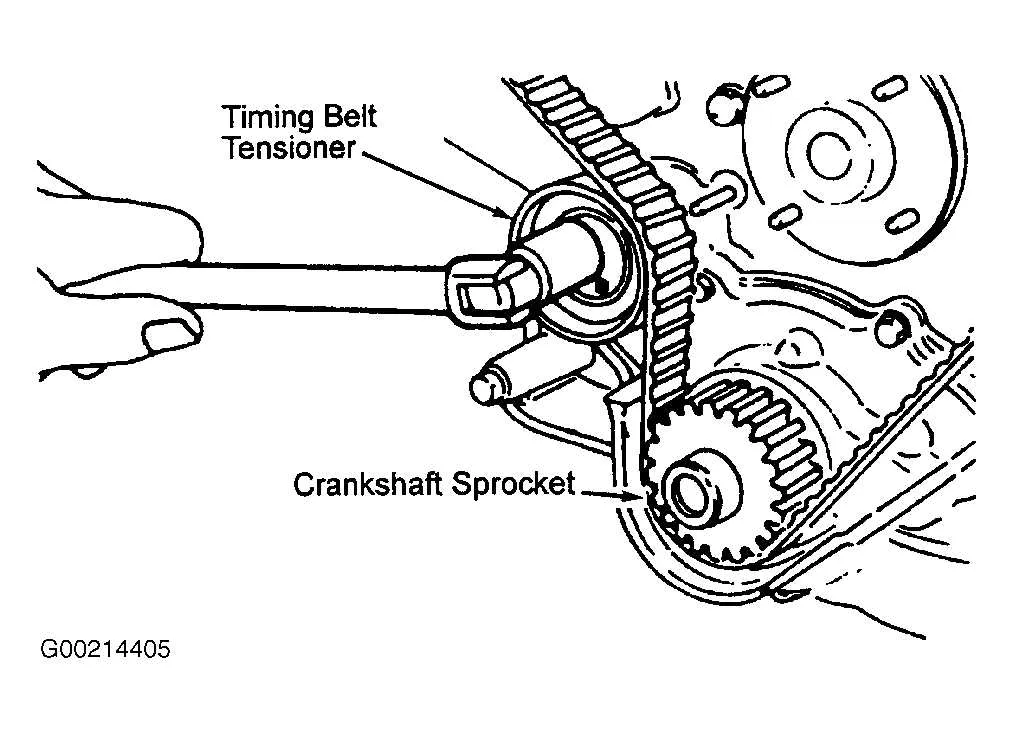
The serpentine belt on the 2001 Nissan Frontier is a key component of the engine’s accessory drive system. To locate it, open the hood and stand in front of the engine. The belt runs over several pulleys, including the alternator, power steering pump, air conditioning compressor, and the water pump pulley. It’s typically positioned along the right side of the engine block, visible near the front of the engine bay.
Check for a belt routing diagram, often found on a label near the radiator or on the engine cover. This diagram shows the correct path of the serpentine belt over the pulleys. If the diagram is missing or hard to read, it may be useful to consult the vehicle’s service manual for a detailed reference.
To ensure you’re identifying the correct belt, look for the long, ribbed rubber belt, usually black. It may be slightly worn or cracked over time, which could indicate it’s time for a replacement. To verify the belt’s condition, you can lightly press on it or turn the engine by hand and watch how the belt moves over the pulleys.
If you need to replace the belt, locate the tensioner pulley. Use a wrench or ratchet to rotate the pulley and relieve tension. Once relieved, you can remove the old belt and replace it with a new one following the correct routing as per the diagram.
Step-by-Step Guide to Replacing the Serpentine Belt on a 2001 Nissan Frontier
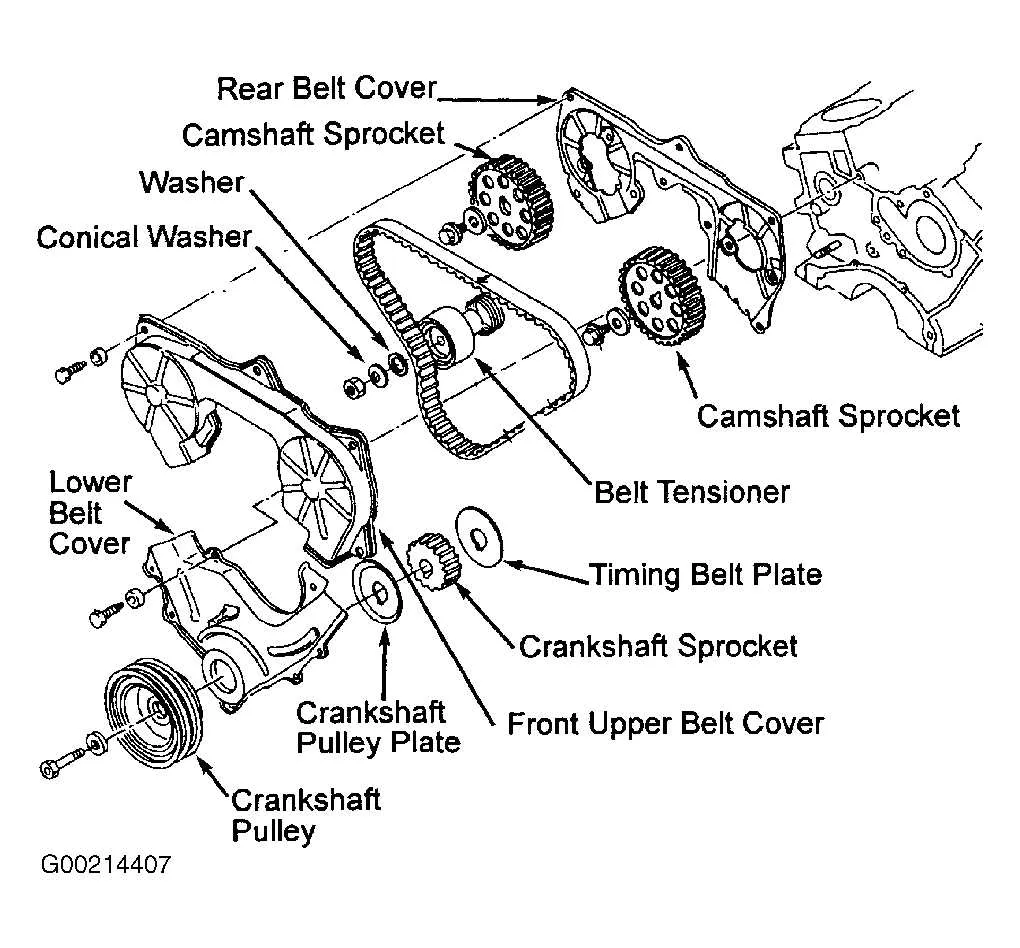
To replace the serpentine belt on your 2001 Nissan Frontier, begin by ensuring the engine is off and cool. Disconnect the negative terminal of the battery to avoid any electrical issues.
Next, locate the serpentine belt tensioner. Using a wrench or a serpentine belt tool, rotate the tensioner counterclockwise to relieve tension on the belt. Remove the belt carefully from all pulleys.
Inspect the new serpentine belt to confirm it matches the specifications for your vehicle. Ensure the ribs on the belt align properly with the grooves on the pulleys.
Now, position the new belt over the pulleys according to the diagram for the 2001 Nissan Frontier. Double-check the routing to ensure everything is in the correct position before proceeding.
Once the belt is in place, rotate the tensioner again to allow the belt to fit securely. Carefully release the tensioner to apply the correct tension on the belt.
Reconnect the negative terminal of the battery and start the engine. Observe the new belt for proper alignment and operation. If the belt seems misaligned or squeaks, recheck the tension and routing.
Ensure all components are functioning smoothly, and the job is complete.
Troubleshooting Common Issues with the Serpentine Belt on the 2001 Nissan Frontier
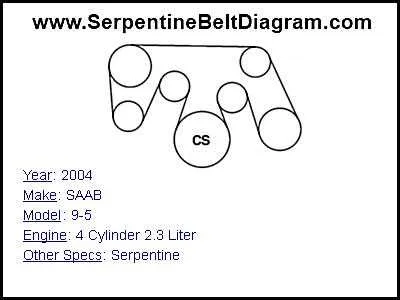
If the serpentine belt on your 2001 Nissan Frontier starts making noise, it’s likely due to wear or misalignment. Inspect the belt for cracks, frays, or any signs of damage. A worn-out belt can cause squeaking or chirping noises, which are a clear indication that it needs replacement.
Another issue is a loose or improperly tensioned belt. If the belt is too loose, it may slip off or fail to properly turn components like the alternator or power steering pump. To fix this, check the tensioner pulley for signs of wear or malfunction. A faulty tensioner can fail to maintain the correct belt tension, causing the belt to slacken over time.
Check for any signs of oil or coolant on the serpentine belt. Leaks from the engine can degrade the belt material, causing it to break down prematurely. If you notice any stains or slick spots on the belt, identify the source of the leak and replace the affected components before installing a new belt.
In some cases, the pulleys may be damaged or misaligned. If the belt wears unevenly or if it’s making a grinding noise, inspect each pulley for damage or wear. If a pulley is not rotating smoothly, it can cause excessive friction and premature belt failure. Replacing a damaged pulley or realigning the pulleys can help prevent further issues.
Lastly, a slipping belt can reduce the efficiency of engine accessories, leading to performance issues like a weak alternator charge or poor power steering. If the belt is slipping despite correct tension, it could be due to a misalignment or a problem with the pulleys. Ensure all pulleys and the belt are aligned properly and that there are no obstructions that could cause the belt to slip.