2014 Jeep Wrangler Serpentine Belt Diagram and Routing Guide
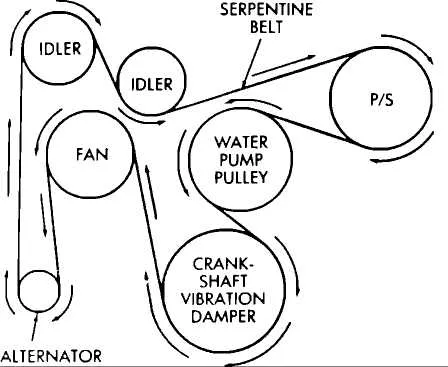
For anyone working on their 2014 Jeep Wrangler, knowing the exact configuration of the belt system is key to ensuring your engine runs smoothly. If you’re replacing or adjusting the serpentine belt, it’s crucial to follow the correct path to avoid damage. The belt diagram for the 2014 model clearly shows how the serpentine belt should be routed over the various pulleys to power your Jeep’s alternator, power steering pump, air conditioning compressor, and other key components.
The 2014 Jeep Wrangler features a straightforward serpentine belt layout, with specific tensioner and idler pulley positions. First, make sure your vehicle is off and the engine is cool before attempting any work. The diagram will highlight where the tensioner pulley is located, allowing you to release the tension needed to remove or replace the belt.
To avoid confusion, always double-check the routing of the belt. A common mistake is misaligning the belt around pulleys, which can cause excessive wear or even damage the components. Referencing the exact diagram for your Jeep model ensures you have the correct belt path every time. Stay consistent with your maintenance routine to keep the engine running at its best and prevent unnecessary wear on critical parts.
2014 Jeep Wrangler Belt Diagram
The 2014 Jeep Wrangler uses a serpentine belt system that powers multiple engine accessories. To ensure optimal performance, it’s important to replace the belt when it shows signs of wear or damage.
The belt routing in the 2014 Jeep Wrangler involves a series of components, including the alternator, power steering pump, air conditioning compressor, and the water pump. The belt should follow a specific path, running over a series of pulleys and tensioners to keep all these components working efficiently.
For the 3.6L V6 engine, the serpentine belt route starts at the crankshaft pulley, looping around the alternator, power steering pulley, and idler pulley before making its way to the A/C compressor. The last section runs to the water pump before returning to the crankshaft pulley. This configuration ensures that each component receives the correct amount of drive power.
It’s vital to check the tensioner and idler pulleys for any signs of damage or excessive wear, as a faulty pulley can cause the belt to slip or wear unevenly. The tensioner should apply the correct pressure to the belt to maintain its grip on the pulleys.
When replacing the serpentine belt, refer to the diagram for proper routing to avoid errors during installation. This ensures the belt works efficiently, preventing unnecessary wear and reducing the risk of breakdowns.
For regular maintenance, check the belt for cracks, fraying, or glazing, and replace it if any of these issues are found. The belt should also be checked periodically to ensure it is not too tight or too loose, both of which can cause issues with accessory performance.
How to Identify the Correct Belt Routing for Your 2014 Jeep Wrangler
To identify the correct belt routing for your 2014 Jeep Wrangler, start by locating the belt diagram. This is typically found on the radiator support or near the engine bay. The diagram shows the path the serpentine belt should take, including how it loops around each pulley and tensioner. Ensure that the diagram corresponds with the configuration of your engine (either 3.6L V6 or 3.8L V6) since the routing can vary based on the model.
If the diagram is missing or hard to read, consider using the vehicle’s service manual for specific instructions. Another option is to inspect the old belt and observe its wear pattern. This can give clues about the correct routing, as long as the belt is intact. Be sure to check that the belt aligns with all the pulleys without crossing over them incorrectly.
When routing the belt, pay close attention to the tensioner. The tensioner must apply consistent pressure on the belt to keep it tight. If the tensioner isn’t functioning properly, the belt may slip or wear out prematurely. Make sure the tensioner is in the correct position and that it moves freely.
In case of any uncertainty, consider consulting with a mechanic. They can help confirm the routing or provide additional diagrams that match your Jeep model’s engine configuration. For those who prefer a DIY approach, there are plenty of online resources and forums with visuals of the belt routing for the 2014 Jeep Wrangler.
Double-check all connections after installing the new belt to avoid any issues with engine operation. Once confirmed, start the engine to ensure everything runs smoothly. If any strange noises or performance issues occur, the belt might need realignment or tension adjustment.
Steps to Replace the Serpentine Belt on a 2014 Jeep Wrangler
Replacing the serpentine belt on your 2014 Jeep Wrangler is a straightforward task that can save you money. Follow these steps to get it done efficiently.
- Gather Tools and Equipment: You’ll need a new serpentine belt, a socket wrench, a serpentine belt tool, and a pry bar or screwdriver.
- Locate the Serpentine Belt: Open the hood and find the belt running through various components like the alternator, power steering pump, and air conditioning compressor.
- Release Tension: Use a serpentine belt tool or a socket wrench to relieve tension from the belt tensioner. Turn the tensioner pulley in the direction indicated by the belt diagram to loosen the belt.
- Remove the Belt: Once the tension is released, carefully remove the old serpentine belt from the pulleys.
- Install the New Belt: Refer to the belt routing diagram specific to your 2014 Jeep Wrangler. Carefully route the new belt around the pulleys in the same pattern as the old one.
- Reapply Tension: Once the belt is in place, use the tensioner tool to reapply tension to the new belt. Ensure it sits snugly in all the pulleys.
- Double-Check Installation: Visually inspect the belt to make sure it’s properly aligned on each pulley. Give the belt a gentle tug to ensure it’s secure.
- Start the Engine: Start your Jeep and listen for any unusual noises. Check that the belt operates smoothly without any slipping or squealing.
By following these steps, you can replace your Jeep Wrangler’s serpentine belt and keep your engine running smoothly. If you encounter any issues, consult your vehicle’s manual for further troubleshooting.
Common Issues with the Belt System in 2014 Jeep Wranglers and How to Fix Them
The most common issue with the belt system in the 2014 Jeep Wrangler is the wear and tear on the serpentine belt. Over time, this belt can crack, fray, or stretch, leading to poor performance or a complete failure. Regular inspection can help identify these problems before they cause major issues.
If you notice squeaking noises coming from the engine area, it’s likely the serpentine belt is slipping or is misaligned. To fix this, check for debris or damage on the belt. If the belt is worn out, replace it with a new one that matches the original specifications. The tensioner pulley also plays a role in maintaining proper tension, so ensure it’s functioning correctly. If it’s worn or damaged, replacing the tensioner is necessary.
Another issue often seen in Wranglers is the failure of the idler pulley. A worn-out pulley can cause the belt to skip or misalign, resulting in a loss of power to essential engine components. Listen for grinding or whining sounds, which indicate pulley issues. Replacing the idler pulley is a relatively easy fix, but it’s important to ensure that the new part is properly installed to avoid further complications.
Belts can also wear unevenly due to a misaligned pulley system or damaged pulleys. If your belt is running off-center, inspect the pulleys for damage or corrosion. A quick fix might involve cleaning or replacing the pulleys to ensure they’re properly aligned. In some cases, the water pump or alternator pulley could be the culprit, requiring more extensive work.
Lastly, the belt can stretch over time, which might lead to it becoming too loose. If your vehicle’s belt is slipping, adjust the tension using the tensioner or replace the belt if stretching is evident. Always double-check the belt’s tension to avoid unnecessary strain on engine components.