2010 Ford Fusion 2.5 Serpentine Belt Diagram Guide for Proper Installation and Routing
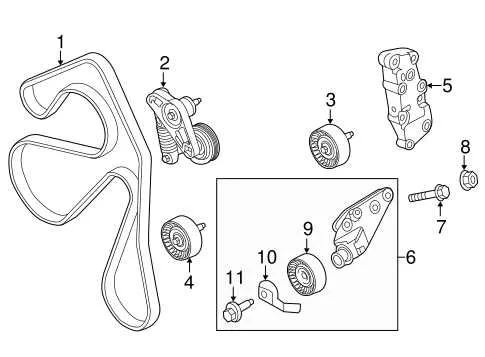
Check the routing of the serpentine belt immediately if you notice squealing noises or irregular engine operation. The 2.5L engine uses a single serpentine belt that drives the alternator, power steering pump, air conditioning compressor, and water pump.
Refer to the official 2010 Ford Fusion belt diagram to ensure correct alignment over all pulleys. Incorrect installation can lead to rapid wear, belt slipping, or failure of connected components.
Inspect the belt for cracks, fraying, or glazing at regular intervals, ideally every 30,000 miles. Replace the belt if any damage is present, and check the tensioner for smooth operation and proper tension.
When reinstalling or replacing the belt, follow the routing diagram carefully, and rotate the engine manually to confirm the belt tracks correctly over each pulley. Proper tension prevents premature wear and maintains optimal performance of all engine accessories.
2010 Ford Fusion 2.5 Serpentine Belt Diagram Practical Maintenance Guide
Follow the diagram carefully to ensure the serpentine belt is routed correctly around all pulleys, including the alternator, power steering, water pump, and AC compressor.
Inspect the belt for cracks, fraying, or glazing before installation. Replace if any wear is visible.
- Locate the tensioner pulley and release tension using a wrench or serpentine tool.
- Remove the old belt by slipping it off the pulleys according to the diagram.
- Install the new belt, aligning it precisely with each pulley groove.
- Apply tension by releasing the tensioner slowly, ensuring the belt sits properly on all pulleys.
Check alignment visually to prevent slippage or uneven wear. Turn the engine by hand a few rotations to confirm smooth movement.
Regularly inspect the belt every 15,000 miles or 12 months. Adjust tension if any signs of looseness appear.
- Keep the area around pulleys clean from oil and debris.
- Lubricate tensioner pivot points lightly if they are stiff, avoiding contact with the belt.
- Replace worn pulleys or tensioners to maintain correct belt path and pressure.
Follow this guide for consistent performance and to prevent belt-related failures that can affect engine accessories.
Locate and Identify All Pulleys for 2.5 Engine Belt Routing
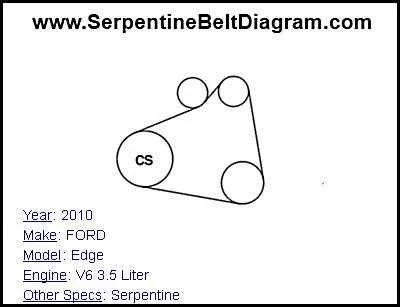
Begin with the crankshaft pulley at the bottom center of the engine; it drives the serpentine belt and sets the rotation path. Directly above it, locate the alternator pulley on the passenger side, responsible for charging the battery and powering electrical systems.
Next, find the water pump pulley near the center of the engine; it circulates coolant through the radiator and engine block. Adjacent to it, identify the power steering pump pulley on the driver side, which controls steering assist.
Locate the air conditioning (A/C) compressor pulley on the lower passenger side; it engages only when the A/C system is active. The belt also passes over the tensioner pulley, mounted near the center, which maintains proper tension automatically.
Finally, check for the idler pulleys: one above the crankshaft and another near the A/C compressor, which guide the belt and prevent slippage. Confirm each pulley rotates freely and is free of damage before routing the belt according to the diagram.
Step-by-Step Instructions for Removing and Installing the Serpentine Belt
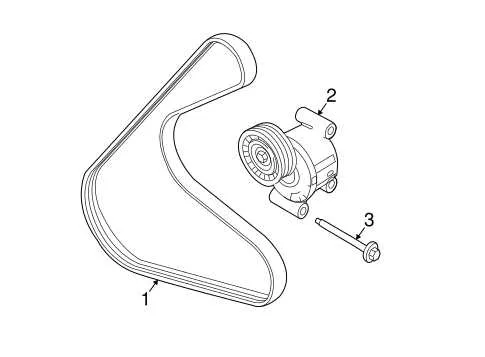
Locate the belt routing diagram on the engine or in the owner’s manual. This ensures proper placement during installation. Confirm all pulleys and the tensioner are accessible.
Release belt tension using a 3/8-inch or 1/2-inch ratchet on the tensioner pulley. Turn the tensioner clockwise to relieve pressure and slide the belt off any pulley.
Inspect the pulleys while the belt is removed. Check for wear, wobble, or debris on the alternator, power steering, idler, and crankshaft pulleys.
Remove the old belt completely from all pulleys, noting the exact routing path if a diagram is unavailable. Avoid forcing the belt over pulleys to prevent damage.
Install the new belt following the diagram. Begin by wrapping it around the crankshaft and main accessory pulleys, leaving the tensioner pulley for last.
Apply tension by rotating the tensioner pulley again and sliding the belt over it. Release the tensioner slowly to ensure the belt seats correctly in all pulley grooves.
Double-check alignment on each pulley. Confirm the belt rests fully in the grooves and follows the proper path, especially around the water pump, alternator, and A/C pulleys.
Run the engine briefly and observe the belt. Watch for slipping, misalignment, or unusual noise. Shut off the engine and recheck tension and routing before finishing.
Check Belt Tension and Inspect for Wear to Prevent Malfunctions
Place the engine in the off position and visually inspect the serpentine belt for cracks, fraying, or glazing on the ribbed side. Look for signs of uneven wear or missing chunks of rubber, which indicate replacement is needed.
Use a belt tension gauge to measure the deflection. For the 2010 Ford Fusion 2.5L engine, apply moderate finger pressure at the midpoint between the alternator and crankshaft pulleys. The belt should deflect approximately 1/2 inch (12 mm) under this pressure. Excessive slack or tightness can cause squealing, premature wear, or accessory failure.
Check the belt alignment across all pulleys. Misalignment can cause rubbing or rapid deterioration. Adjust the tensioner if the belt is too loose, and ensure the automatic tensioner moves freely and provides proper spring pressure.
Inspect the pulleys for smooth rotation and absence of wobbling. Any rough spots, noise, or vibration suggest pulley replacement. Regularly cleaning debris from the pulley grooves helps maintain grip and prevents slippage.
Replace the serpentine belt every 60,000 miles or sooner if wear is detected. Performing these checks during routine maintenance prevents engine overheating, charging system issues, and accessory malfunctions.