2014 Chevy Impala serpentine belt diagram with routing details and replacement guide
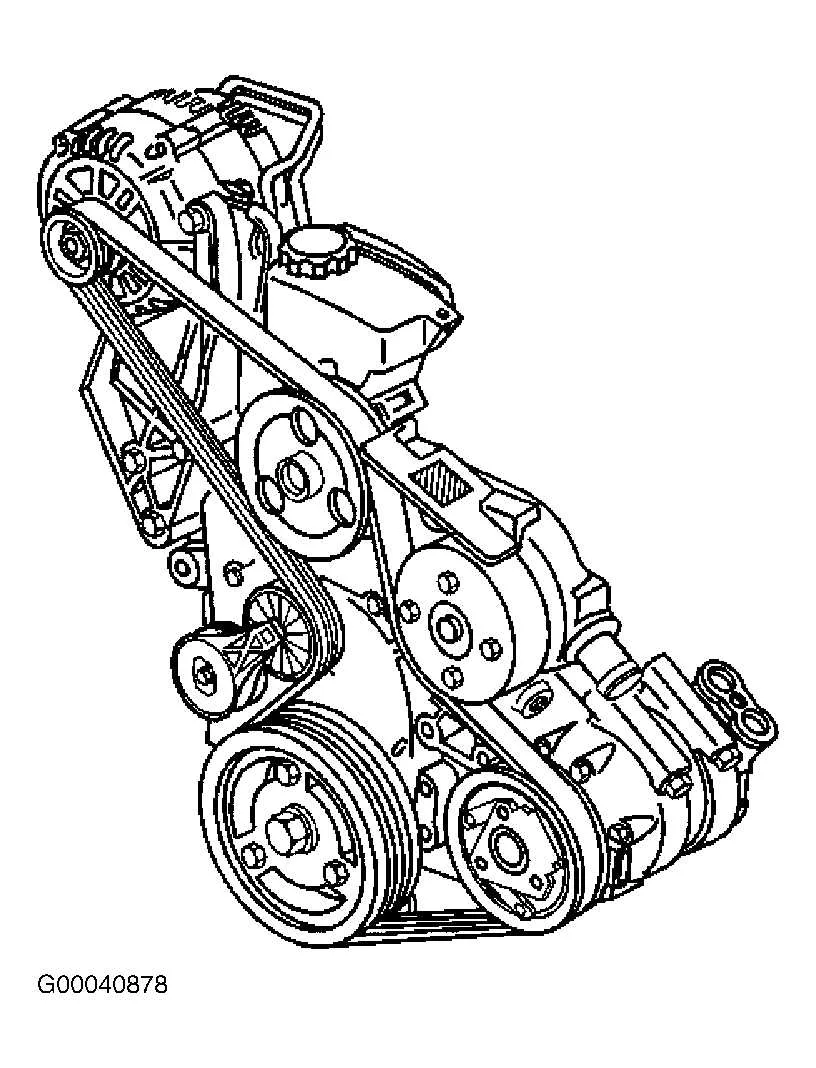
2014 Chevy Impala Serpentine Belt Diagram
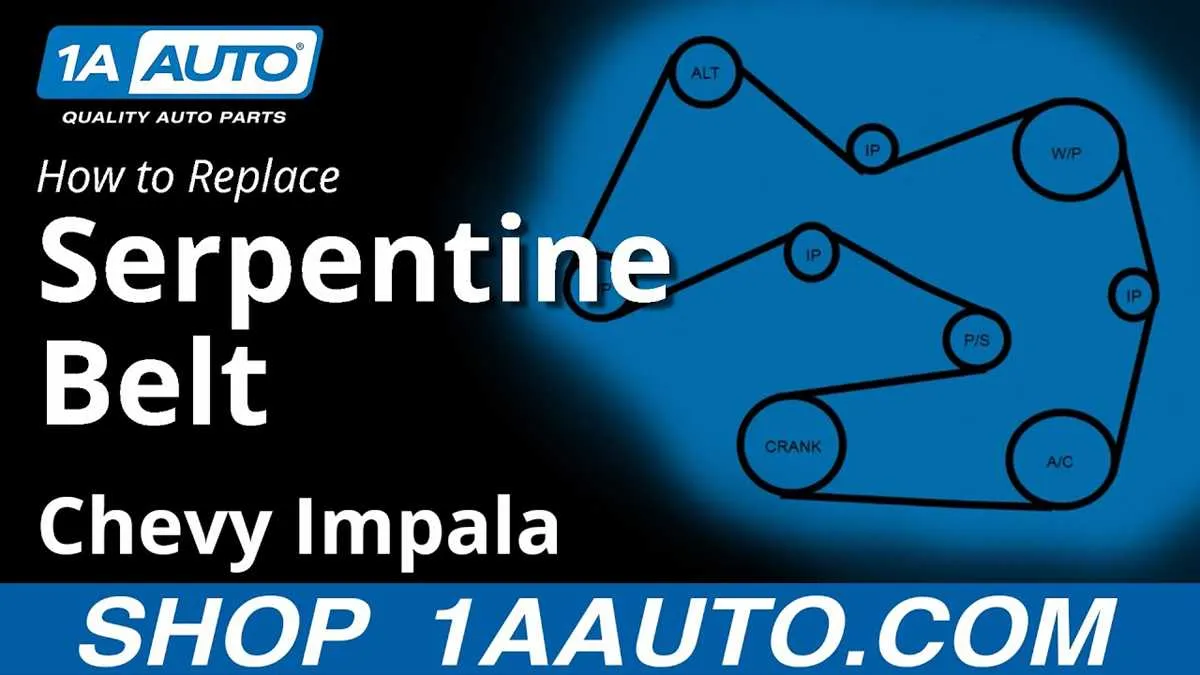
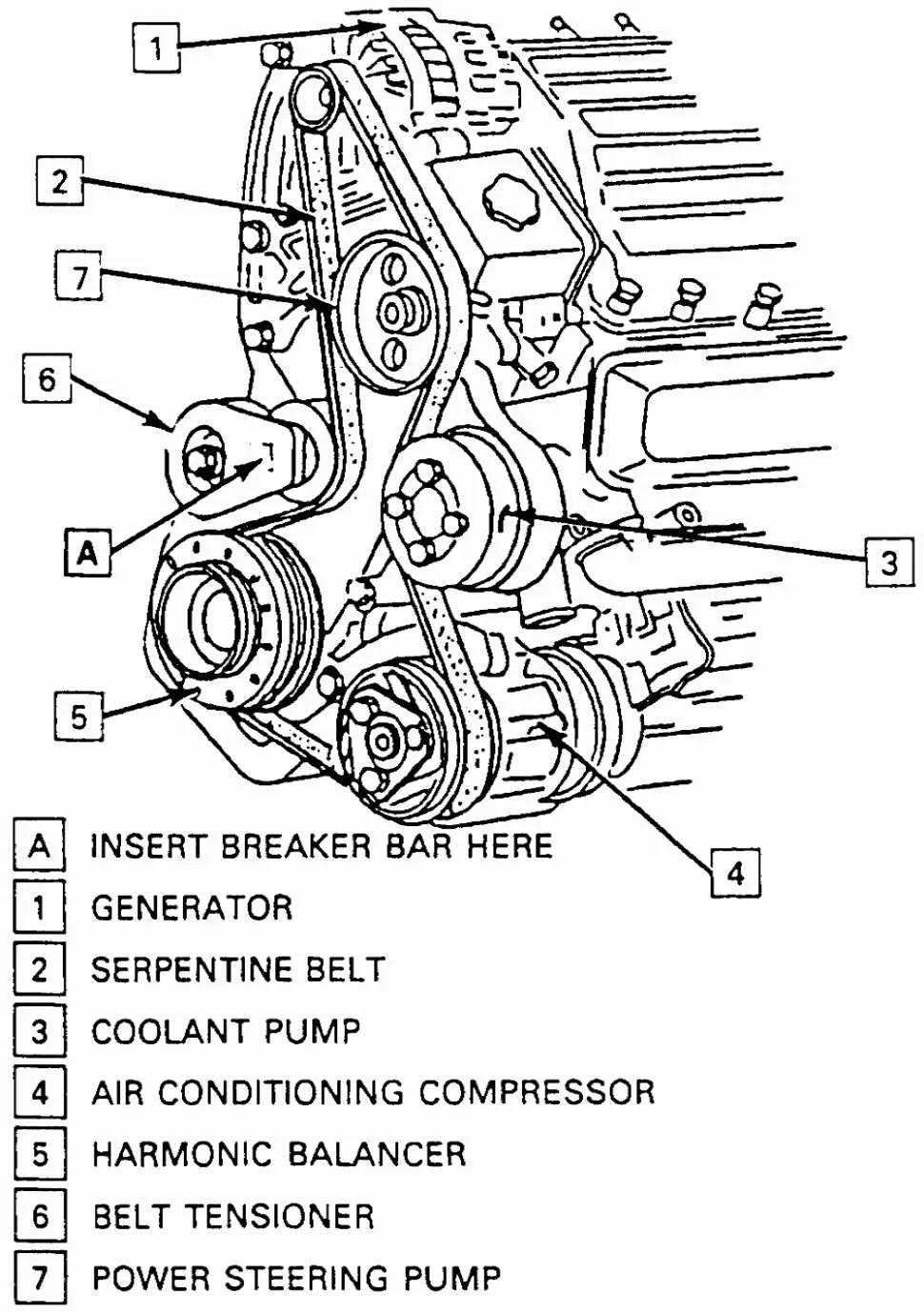
Follow the diagram under the hood to confirm the correct path of the serpentine belt on a 2014 Chevy Impala. The belt routes around the crankshaft pulley, alternator, A/C compressor, water pump, power steering pump, and the tensioner.
Apply a 15mm wrench to the tensioner and rotate it clockwise to release pressure. Remove the old belt and compare it to the replacement to ensure correct size and rib count. A mismatch can cause noise or premature wear.
Position the new belt across the pulleys according to the diagram, leaving the tensioner for last. Rotate the tensioner again, slip the belt into place, and let the tensioner return to hold it firmly.
Check that the belt sits evenly in all pulley grooves without twisting. Run the engine for a short time and observe the belt’s movement to confirm proper alignment and smooth operation.
Location of the Serpentine Belt and Pulleys in the 2014 Chevy Impala
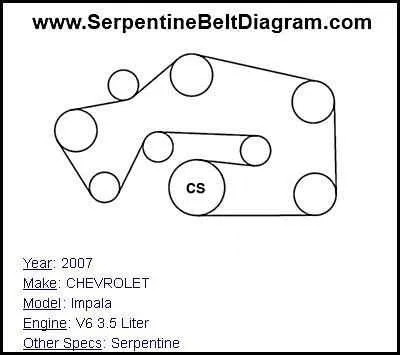
The serpentine belt sits at the front of the engine, routed across multiple pulleys that drive accessories such as the alternator, power steering pump, air conditioning compressor, and water pump. On the 2014 Chevy Impala, you can access it by opening the hood and looking at the passenger side of the engine bay.
The belt wraps around the crankshaft pulley at the bottom, which provides the driving force. Moving upward, the alternator pulley is located near the top for easy visibility, while the idler pulley and tensioner pulley sit slightly off to the side to maintain proper belt tension. The water pump pulley is positioned centrally, and the air conditioning compressor pulley rests lower in the assembly. Each pulley aligns in a fixed path, so replacing or inspecting the belt requires following this routing order.
Before checking or replacing the belt, release tension using the spring-loaded tensioner pulley. Once the belt is removed, you can clearly see the arrangement of all pulleys and confirm their smooth rotation without wobbling or unusual noise. Reinstallation follows the same route, making sure the belt sits fully in the grooves of each pulley.
Step-by-Step Guide to Routing the Serpentine Belt Correctly
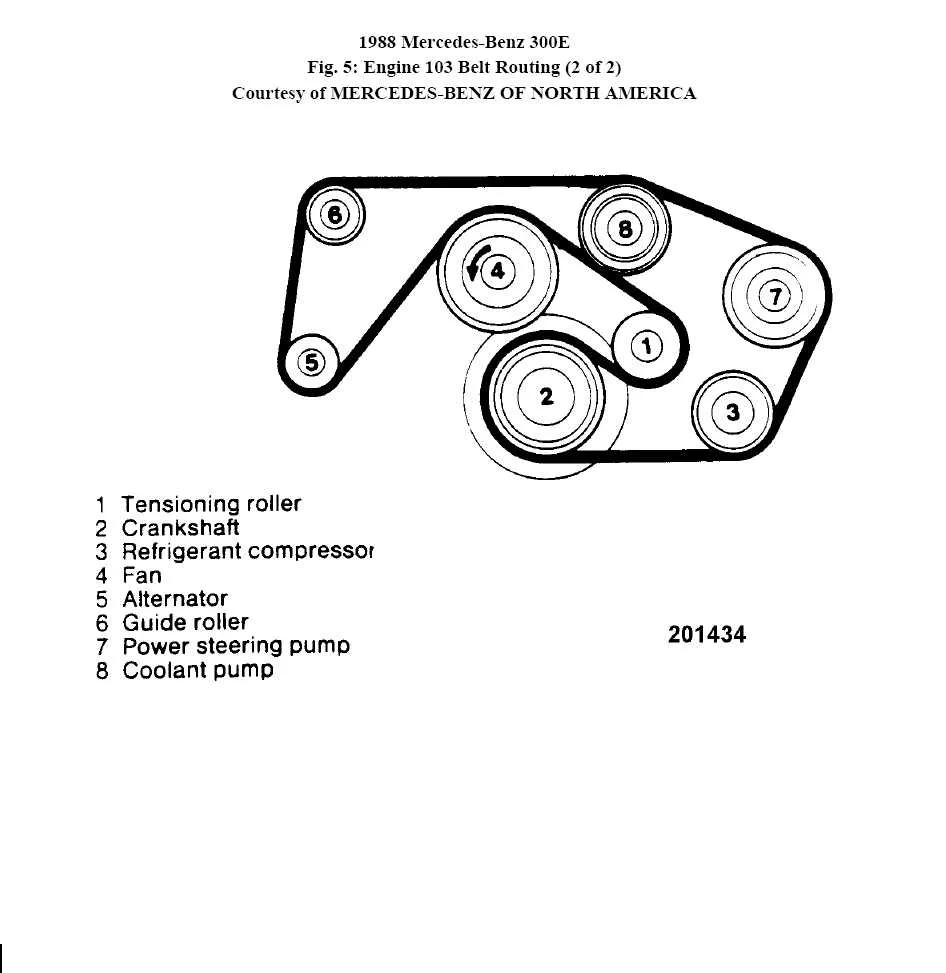
Place the new serpentine belt around the crankshaft pulley first, ensuring the grooves sit firmly inside the pulley channels. This step locks the belt in the correct starting position.
Route the belt upward to the air conditioning compressor and keep steady tension while guiding it across. Continue by sliding it around the alternator pulley, making sure it sits flush without twisting.
Guide the belt downward toward the power steering pump. Hold the belt tight with one hand and pull it across the water pump pulley with the other. Smooth out any slack before moving forward.
Loop the belt over the idler pulley and keep the grooves aligned with the pulley’s ridges. This prevents uneven wear and slipping during engine operation.
Finish the routing at the tensioner pulley. Use a breaker bar or ratchet to rotate the tensioner counterclockwise, creating space to slide the belt into place. Release the tensioner slowly to apply pressure across the belt.
Check every pulley to confirm the belt sits in the grooves correctly. Rotate the crankshaft manually one full turn with a socket and breaker bar to verify smooth movement before starting the engine.
How to Identify Signs of Wear and When to Replace the Serpentine Belt
Check the belt under bright light and run your hand along the surface to detect texture changes or cracks. Replace it once you notice physical damage rather than waiting for complete failure.
- Cracks and splits: Small surface cracks across the ribs signal that the rubber has hardened and lost flexibility.
- Glazing or shiny spots: A glossy surface shows the belt is slipping and no longer gripping pulleys correctly.
- Frayed edges: Threads or uneven wear on the sides suggest misalignment or pulley issues that shorten belt life.
- Squealing noise: A high-pitched sound at startup or acceleration often points to a stretched or worn belt.
- Loss of tension: If the belt feels loose on the pulleys, the tensioner or the belt itself may need replacement.
On a 2014 Chevy Impala, most serpentine belts last about 60,000–100,000 miles, but heat, oil leaks, and dust can shorten that range. Inspect the belt every oil change, and schedule replacement as soon as you notice more than one of the warning signs above. This prevents unexpected loss of alternator, power steering, or air conditioning functions.