Chrysler 300c Serpentine Belt Diagram Guide for Correct Installation and Routing
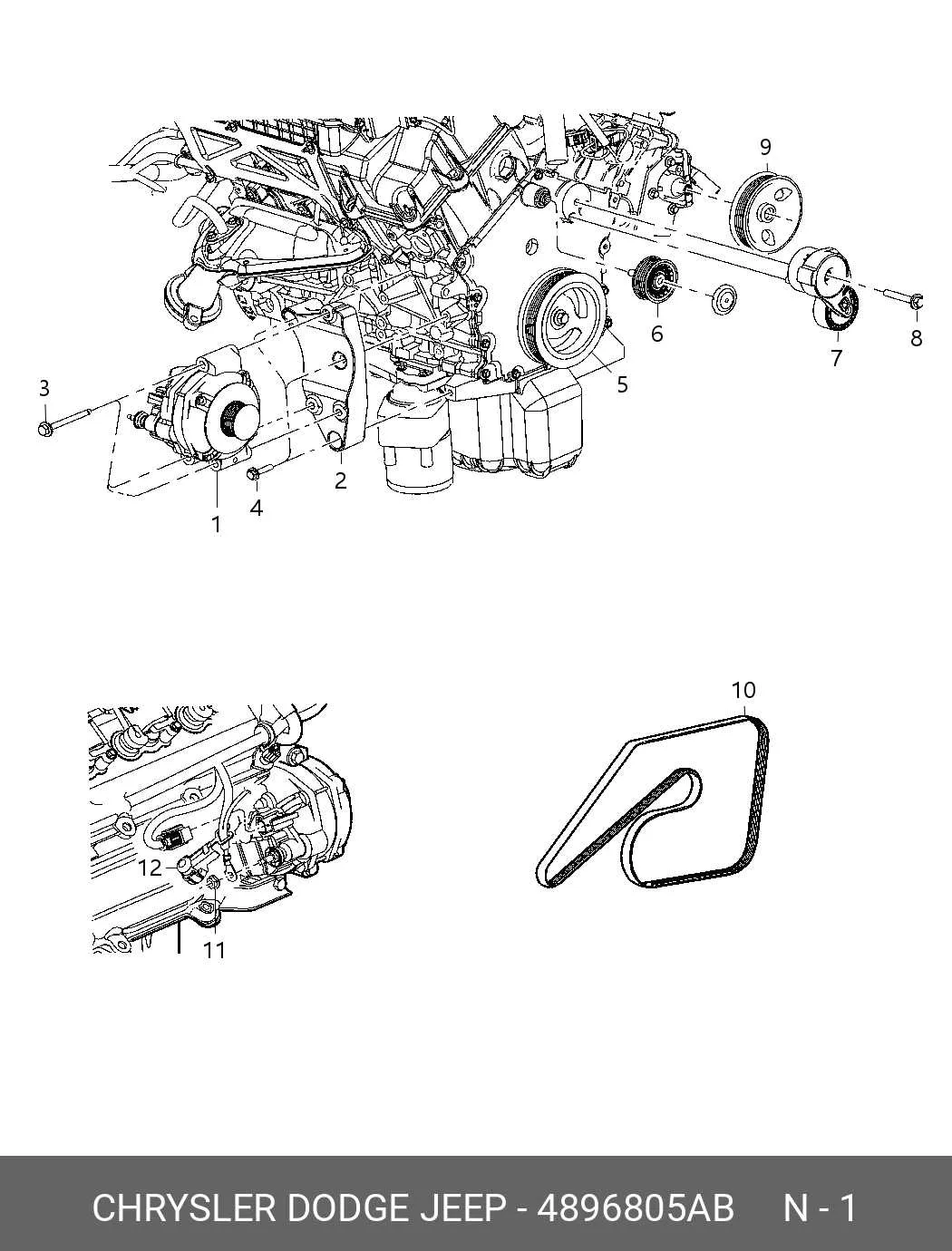
Check the serpentine belt routing before attempting any replacement on a Chrysler 300c to ensure proper alignment of all pulleys. The belt drives the alternator, power steering pump, water pump, and air conditioning compressor, making accurate positioning critical for vehicle operation.
Use the diagram specific to your engine model–3.6L V6 or 5.7L V8–as pulley layouts differ. Identify the tensioner pulley location and release tension gradually using a wrench or serpentine tool, avoiding sudden slips that could damage the belt or surrounding components.
Inspect the belt for cracks, fraying, or glazing along the ribbed surface, and replace it immediately if any wear signs appear. Ensure pulleys spin freely and are free of oil or debris to prevent premature belt failure. Align the belt carefully according to the diagram to maintain smooth engine operation and prevent misalignment noise.
Double-check the routing after installation, making sure the belt sits correctly in each pulley groove. Test the engine briefly under idle to confirm the belt maintains tension without slipping, and monitor the tensioner for smooth movement. Proper adherence to the diagram reduces wear and ensures all accessories operate reliably.
Chrysler 300c Serpentine Belt Diagram Practical Guide for Accurate Installation
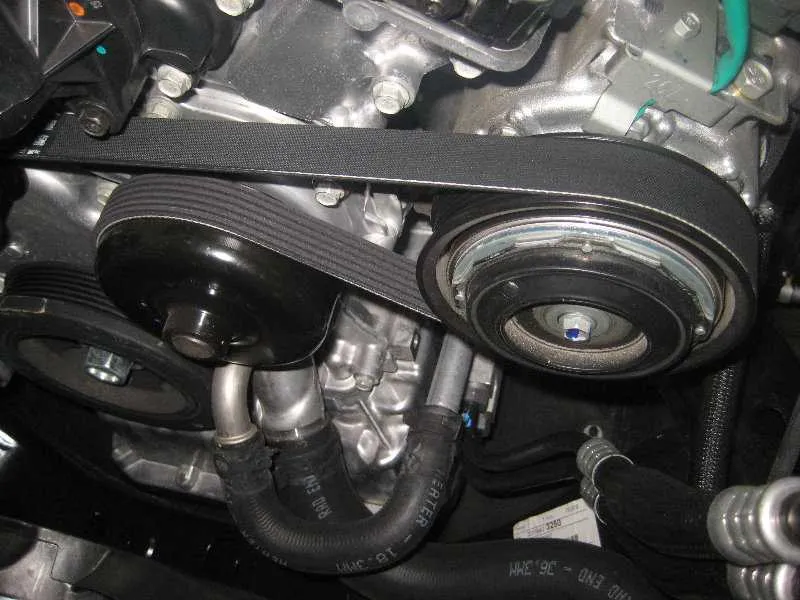
Begin by identifying the exact serpentine belt routing for your Chrysler 300c engine. Locate the diagram on the engine cover or service manual to match each pulley correctly.
Follow these steps for precise installation:
- Relieve tension using a serpentine belt tool or wrench on the tensioner pulley.
- Remove the old belt carefully, noting its path around the alternator, power steering pump, water pump, and crankshaft pulleys.
- Inspect all pulleys for wear, alignment, and damage. Replace any pulley with visible grooves, cracks, or wobble.
- Position the new belt along the routing diagram, ensuring it sits squarely in all pulley grooves without twisting.
- Rotate the tensioner to allow the belt to slip over the final pulley, then slowly release the tensioner to apply proper tension.
- Double-check alignment and tension by manually rotating the crankshaft pulley two full turns. Observe the belt seating and ensure no slipping or misalignment occurs.
After installation, run the engine at idle and listen for abnormal noises such as squealing or chirping. Tighten any components if the belt shows signs of slipping or uneven contact.
Regularly inspect the belt every 12,000 miles or 12 months, checking for cracks, fraying, or glazing. Replace the belt immediately if any damage is observed to prevent engine accessory failure.
Locate All Pulleys and Identify Belt Routing on Chrysler 300c
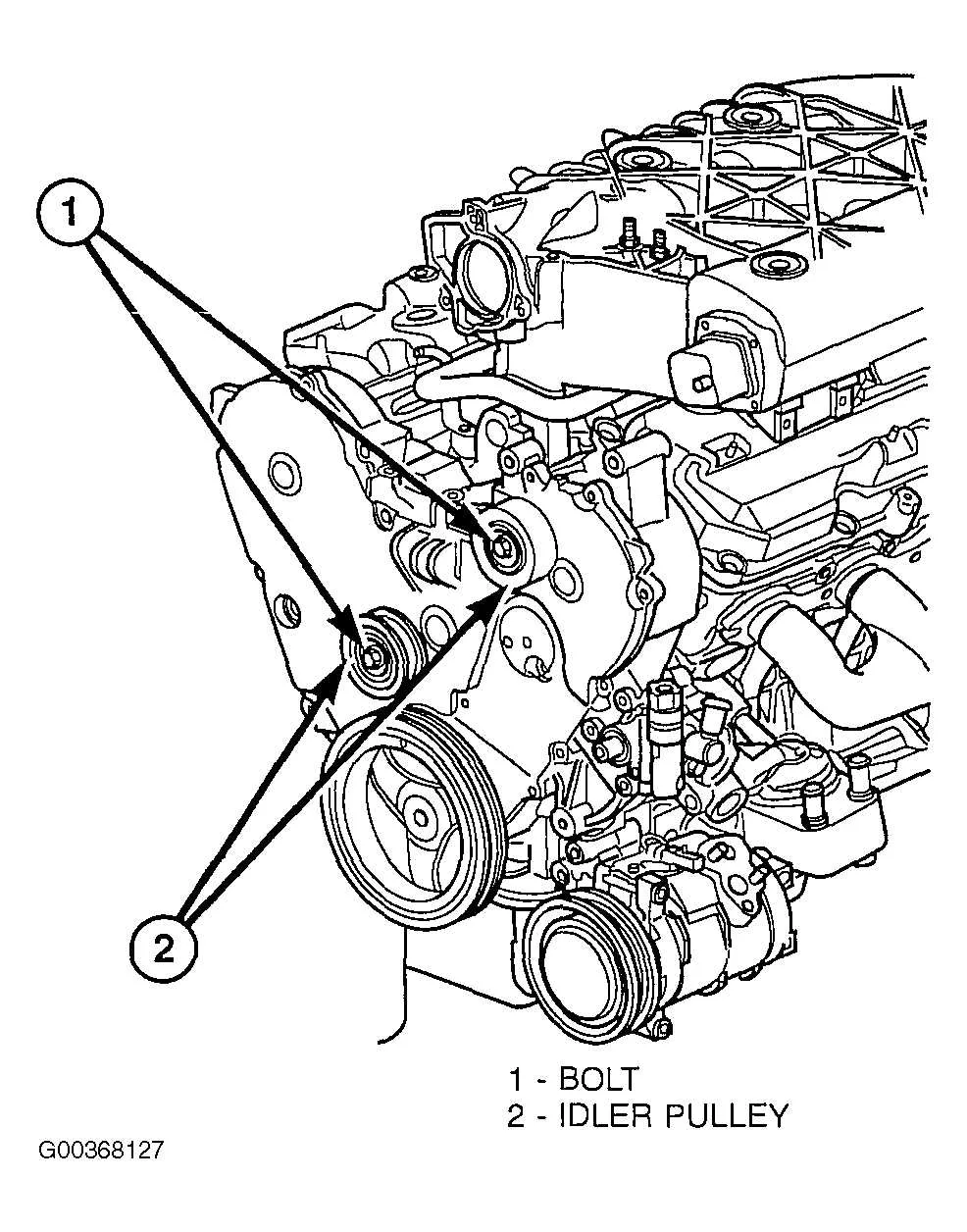
Begin by locating the crankshaft pulley at the bottom center of the engine; this serves as the main drive for the serpentine belt. From there, follow the belt upward to the alternator pulley on the passenger side, ensuring it sits properly in the grooves.
Next, identify the power steering pump pulley, positioned near the front passenger corner. Check that the belt wraps securely around it without any slack. Move toward the air conditioning compressor pulley, located below the alternator, confirming proper alignment.
Locate the idler pulley on the driver’s side, which maintains tension and guides the belt around tight angles. Then find the tensioner pulley, typically spring-loaded, on the front driver’s side. Release the tension carefully to position the belt accurately.
Trace the belt path from the tensioner back down to the crankshaft, making sure it follows the factory routing diagram. Each pulley should sit in the correct groove, avoiding overlaps or twists. Verify alignment by rotating the crankshaft manually and observing the belt tracking smoothly across all pulleys.
Step-by-Step Procedure for Replacing the Serpentine Belt
Begin by disconnecting the negative battery cable to prevent accidental activation of electrical components. Locate the belt routing diagram on the engine compartment or take a clear photo of the current belt path before removal.
Release tension on the serpentine belt using a wrench or serpentine belt tool on the tensioner pulley. Rotate the tensioner clockwise or counterclockwise depending on your engine model, and slide the belt off the pulleys carefully.
Inspect all pulleys and components for wear, misalignment, or damage. Check the tensioner and idler pulleys for smooth rotation and any signs of bearing failure. Replace any defective components before installing the new belt.
Route the new serpentine belt according to the diagram, ensuring it sits correctly in each pulley groove. Start by looping the belt around the crankshaft pulley, then follow the path around the alternator, water pump, power steering, and A/C pulleys as shown in the diagram.
Reapply tension by rotating the tensioner again and sliding the belt over the final pulley. Slowly release the tensioner so it applies proper tension to the belt. Double-check that the belt is fully seated in all pulley grooves.
Reconnect the negative battery cable and start the engine. Observe the belt in motion for a few seconds to ensure smooth operation, proper alignment, and absence of slipping or noise. Adjust if necessary.
Tips for Proper Tensioning and Checking Alignment After Installation
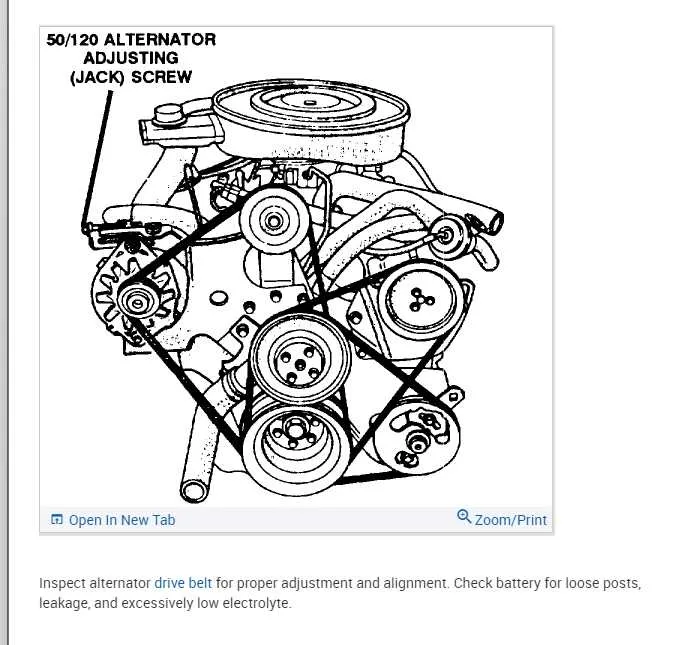
Apply consistent pressure to the tensioner using a wrench to ensure the serpentine belt seats correctly on all pulleys. Confirm that the belt deflects 1/2 inch (12–13 mm) at the midpoint between the crankshaft and alternator pulleys when pressed firmly with moderate force.
Inspect each pulley visually to verify the belt sits fully in the grooves without twisting or misalignment. Use a straightedge or laser alignment tool across multiple pulleys to detect any lateral offset exceeding 1 mm, which can cause premature wear.
Rotate the engine manually through two full revolutions after installation. Observe the belt tracking across the tensioner, idler, and accessory pulleys. Adjust tension immediately if the belt shifts or produces unusual noise during rotation.
Check the tensioner’s spring response by applying force and releasing it. The tension should return smoothly to its original position without binding or sticking. Ensure the tensioner pulley maintains parallel alignment with the crankshaft pulley to avoid side loading.
Reinspect after the first 50–100 miles of operation. Recheck belt tension and pulley alignment, making fine adjustments as needed to prevent slipping or squealing under load. Maintain a clean, debris-free surface around all pulleys to support consistent tension and alignment.