2007 VW Jetta 2.5 Serpentine Belt Diagram and Routing Instructions
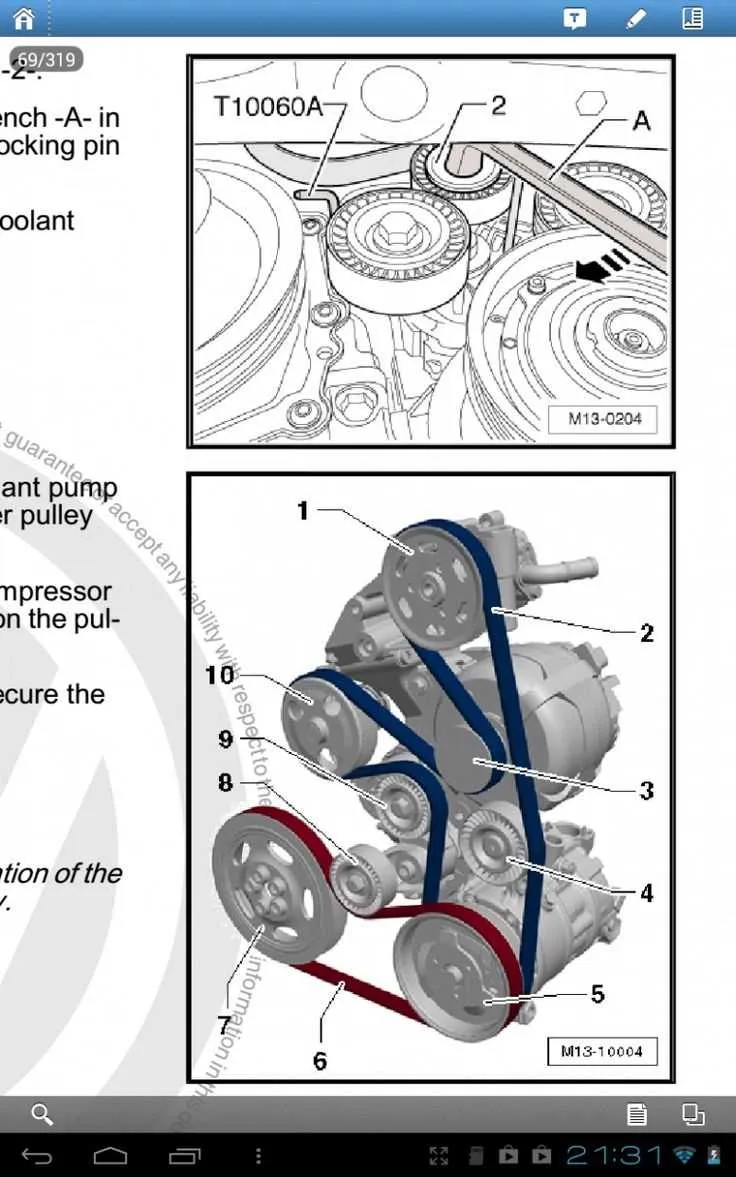
If you’re facing issues with the serpentine belt on your 2007 VW Jetta 2.5, understanding the correct routing and positioning of the belt is key to getting your car back in top shape. The serpentine belt plays a critical role in powering components like the alternator, power steering pump, and air conditioning. A proper diagram can save you time and prevent unnecessary mistakes during the installation process.
In the 2007 VW Jetta 2.5, the serpentine belt routing follows a precise path around the pulleys and tensioner. The belt’s path is critical for ensuring that all connected accessories function smoothly. It is important to follow the diagram carefully when replacing or re-routing the belt. An incorrectly installed serpentine belt could lead to damage to the belt or other engine components, potentially leading to expensive repairs.
For a smooth installation, start by removing the old belt, noting the position of each pulley as you go. Once the belt is removed, you can easily match the new belt’s routing to the diagram, which ensures that the tensioner is properly engaged. Always verify that the belt is correctly seated in the grooves before starting the engine. A loose or misaligned belt will quickly lead to wear and inefficiency.
2007 VW Jetta 2.5 Serpentine Belt Diagram
For the 2007 VW Jetta 2.5, the serpentine belt routing is straightforward but requires attention to detail. Ensure the belt is installed correctly to avoid strain on the components it drives, like the alternator, power steering pump, air conditioning compressor, and water pump.
The serpentine belt diagram for this model can be broken down into key steps:
- The belt loops around the crankshaft pulley at the bottom of the engine.
- It moves upwards, passing around the air conditioning compressor pulley.
- Then, it wraps around the power steering pump pulley, just above the compressor.
- The belt continues over the alternator pulley, which sits slightly higher.
- Finally, it passes around the tensioner pulley, which helps keep the belt tight, and loops back to the crankshaft pulley.
For proper installation, make sure the belt tensioner is not stuck and that the belt is aligned correctly with each pulley. Any misalignment can lead to premature wear on the belt or damage to the pulleys themselves.
If you’re replacing the belt, check the condition of the pulleys and tensioner. Worn pulleys can cause the new belt to wear out quickly. The recommended tension for the 2007 VW Jetta 2.5 serpentine belt is important to keep in mind to avoid slippage and excessive wear.
Having the correct belt diagram on hand will help ensure smooth and effective installation. Follow the diagram closely, and you should be able to replace the serpentine belt without issues.
How to Identify the Serpentine Belt Routing for 2007 VW Jetta 2.5
Locate the routing diagram sticker under the hood, usually on the radiator support or near the engine compartment. This diagram provides the exact path the serpentine belt should follow around the pulleys and components like the alternator, power steering pump, and AC compressor.
If the diagram is missing or unreadable, refer to the vehicle’s service manual for detailed instructions. Alternatively, you can find reliable diagrams online or consult a mechanic for assistance.
When inspecting the belt, ensure it’s properly tensioned. A loose or misaligned serpentine belt can cause performance issues or even engine damage. Use a belt tension gauge to check if the tension falls within manufacturer specifications.
Confirm the belt wraps around each pulley in the correct order: starting with the crankshaft pulley, moving through the tensioner, alternator, and other components. Check for any pulley misalignment that could cause the belt to slip or wear prematurely.
After replacing the serpentine belt, manually rotate the crankshaft pulley to ensure the belt moves smoothly without skipping any pulleys. If all components are in alignment and the belt is correctly routed, your Jetta 2.5 will run without issues.
Steps to Replace the Serpentine Belt on a 2007 VW Jetta 2.5
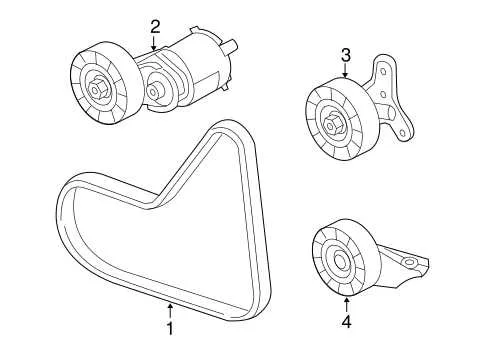
Lift the front of the car and secure it with jack stands. Remove the front right wheel for easier access to the belt area.
Locate the serpentine belt routing diagram, typically found on the radiator support or under the hood. This diagram is crucial for reinstallation.
Use a 3/8-inch drive ratchet to release tension on the serpentine belt tensioner. Position the ratchet in the tensioner’s square hole and rotate counterclockwise to loosen the belt.
Carefully remove the belt from the pulleys. Take note of the belt’s path as you remove it. If necessary, take a picture for reference during installation.
Inspect the new serpentine belt for any damage before installation. Make sure the part matches the old one in terms of size and shape.
Place the new belt following the routing diagram, ensuring that it sits correctly on each pulley. Be mindful of the direction of rotation on the pulleys to avoid errors.
Release the tensioner slowly to allow the new belt to tighten. Double-check that the belt is aligned on all pulleys and is not misaligned or loose.
Reinstall the wheel and lower the car to the ground. Start the engine to confirm the belt is running smoothly without any unusual noises or slipping.
Check the belt tension after a short drive and re-tighten if necessary.
Troubleshooting Common Issues with Serpentine Belts on 2007 VW Jetta 2.5
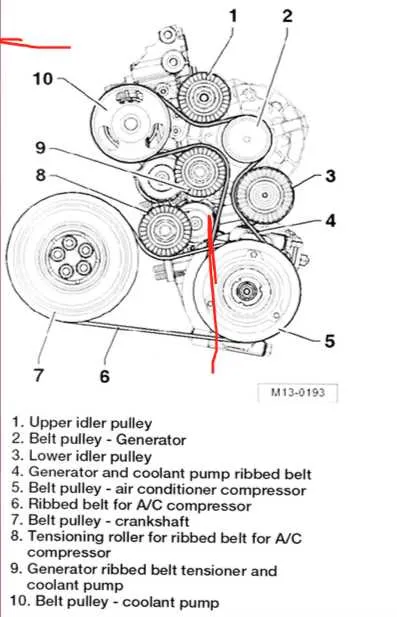
If you notice squealing noises or your vehicle’s accessories are malfunctioning, it’s likely a serpentine belt issue. Start by inspecting the belt for visible wear such as cracks or fraying. A worn belt can slip, causing accessories like the alternator or power steering to fail.
If the belt appears intact but still causes issues, check the tension. A loose or improperly tensioned serpentine belt can result in insufficient power delivery to engine accessories. Use a belt tension gauge to ensure it’s within specifications.
Another issue could be misalignment of the pulleys. A misaligned pulley can lead to uneven wear on the belt, which might cause it to snap prematurely. If the pulleys appear out of alignment, inspect the pulley bearings and replace them if necessary.
In some cases, the serpentine belt tensioner itself might be faulty. A worn tensioner can fail to maintain proper belt tension, resulting in slippage or noise. Replace a defective tensioner to restore proper tension to the belt.
If the belt is frequently coming off, inspect the belt guides and pulleys for any obstructions or damage. The belt should run smoothly over all pulleys without interruptions. Any damage to the guides or pulleys can cause the belt to derail.
Lastly, if your vehicle continues to exhibit symptoms of serpentine belt problems despite replacing it, there might be an issue with the alternator or water pump pulley. These components can wear out over time and cause the belt to slip. Inspect and replace any damaged components to prevent further issues.