Cub Cadet XT1 42 Belt Diagram Detailed Layout and Replacement Guide
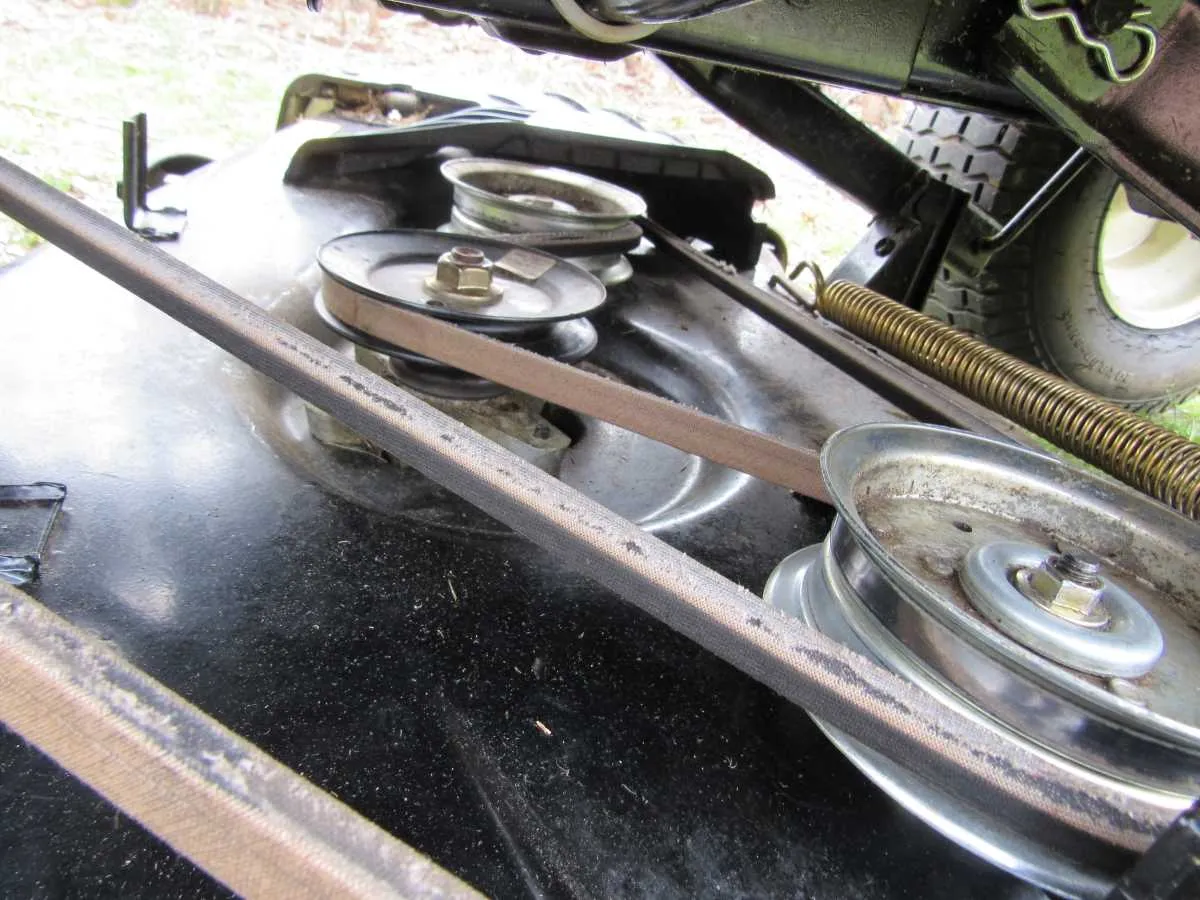
Use the factory belt routing diagram located under the mower deck or near the engine compartment. If it’s missing or unreadable, refer to the correct layout below to avoid incorrect installation that can damage pulleys or shorten belt life.
The Cub Cadet XT1 42” deck uses a serpentine belt system with a specific path: the belt runs from the engine pulley to the deck idlers and blade spindles. Route the belt around the left and right spindle pulleys, then loop it through both idler pulleys, ensuring the flat and V sides of the belt contact the pulleys correctly.
Tensioning matters. Make sure the spring-loaded idler arm maintains proper tension. A slack belt will slip, while overtightening can strain the spindles. Check for worn pulleys, as rough edges can shred a new belt in hours.
Tip: Always use OEM belts. Aftermarket versions often have incorrect lengths or profiles, leading to misalignment and early wear. The correct part number for the 42″ deck drive belt is usually 954-05021A, but confirm this matches your model and serial number.
Cub Cadet XT1 42 Belt Diagram
Align the deck drive belt by routing it around the spindle pulleys and the idler pulleys exactly as shown in the manufacturer’s diagram. Make sure the V-side of the belt contacts the pulleys, not the flat side.
Start from the engine pulley and move toward the mower deck. The belt wraps around the electric PTO clutch pulley, then goes under the fixed idler, over the tensioner pulley, and loops around both spindle pulleys. Each spindle pulley turns a blade, and the direction depends on correct belt orientation.
Maintain proper tension by checking the spring-loaded idler arm. If it’s loose or the belt slips, inspect the spring or replace the belt with OEM part number 954-05021A. This part is 42 inches long and matches the XT1 factory specs.
Double-check routing against the deck label or the owner’s manual diagram. Incorrect belt paths can lead to uneven cuts, premature wear, or complete disengagement during use.
Before reinstalling the deck, rotate the blades by hand to confirm free movement and proper tracking. Secure all guards and ensure the belt doesn’t rub against the chassis or brackets.
Identifying and Understanding Each Belt Component on the XT1 42
Begin by parking the Cub Cadet XT1 42 on a flat surface and removing the ignition key. Disconnect the spark plug wire before working near the deck.
The XT1 42 deck uses a single primary drive belt that transfers power from the engine to the cutting blades. This belt system includes several key components that must function together:
- Engine Pulley: Mounted directly to the crankshaft. It drives the belt when the engine runs. Check for scoring or uneven wear on the pulley face.
- Idler Pulleys (Flat and V-Style): These guide and tension the belt. Flat idlers contact the belt’s backside, while V-style idlers ride in the V-groove. Ensure both spin freely without wobble or grinding.
- Mandrel Pulleys: Attached to the blade spindles. These receive power from the belt to spin the blades. Look for worn bearings or wobble in the pulley shaft.
- Belt Keeper Rods: Thin metal rods positioned close to pulleys to prevent the belt from slipping off during disengagement. These should not touch the belt but sit within 1/8 inch.
- Tension Spring: Connects the deck to the idler arm. It maintains belt tension. If the spring is stretched or weak, the belt may slip or jump off.
- PTO Engagement Mechanism: On manual models, a cable pulls the idler arm to tighten the belt. On electric PTO models, an electromagnetic clutch engages the drive. Both systems rely on correct belt routing and tension.
Match each component’s condition to manufacturer specifications. Replace any cracked or glazed belt, bent pulley, or loose bracket to prevent uneven blade engagement or belt shredding. Use only OEM or compatible belts with proper length and profile.
Step-by-Step Guide to Replacing the Belt on Cub Cadet XT1 42
Disconnect the spark plug wire to prevent accidental engine start. Engage the parking brake and remove the ignition key.
Lower the mower deck completely. Locate the deck engagement cable and spring near the rear of the deck. Unhook the spring from the anchor bolt, then disconnect the cable from its bracket using a pair of pliers.
Remove the cotter pins and washers securing the deck to the lift arms. Slide the deck slightly forward and unhook it from the front hanger rod. Carefully pull the deck out from the right side of the mower.
Flip the deck over to access the underside. Inspect the routing of the current belt and take a photo or refer to the Cub Cadet XT1 42 belt diagram for correct installation later.
Release belt tension by pivoting the idler pulley arm with a 9/16-inch wrench. Slide the belt off all pulleys, including the engine pulley if still attached. Check all pulleys for wear or roughness before proceeding.
Install the new belt by following the original routing pattern. Begin by placing it around the spindle pulleys, then feed it around the idler pulleys, finishing with the engine pulley. Ensure the V-side of the belt contacts the pulleys correctly.
Reapply tension using the idler pulley arm. Double-check that the belt is seated properly and moves freely without binding or slack.
Slide the deck back under the tractor. Reattach it to the front hanger rod and lift arms using the original hardware. Reconnect the deck engagement cable and spring.
Reconnect the spark plug wire. Test the deck engagement lever and start the engine briefly to verify proper belt movement. Shut off the engine immediately if the belt slips or rubs against any components.
Tip: Use only OEM belts specified for the XT1 42 to ensure correct fit and tension.
Troubleshooting Common Belt Issues with Cub Cadet XT1 42
Check the belt routing first. A misrouted belt won’t just slip – it can cause uneven cutting or rapid wear. Refer to the exact diagram for the XT1 42 to confirm proper placement around the PTO pulley, idler pulleys, and deck spindles.
Inspect belt tension regularly. If the belt feels loose, examine the tensioner spring. A stretched or detached spring leads to inconsistent engagement and blade performance. Replace the spring if it has lost tension or shows signs of rust.
Look for glazing on the belt surface. A shiny, hardened belt indicates slippage, often caused by oil contamination or worn pulleys. Clean pulleys thoroughly and replace any with sharp edges or rust pitting.
Examine pulley alignment. A bent bracket or misaligned pulley throws the belt off track. Use a straight edge to compare pulley faces. If they don’t line up, adjust the bracket or replace the pulley arm.
Watch for debris buildup around the spindles and idlers. Grass and twigs force the belt off the pulleys, especially after mowing thick or damp grass. Clear all material from the deck housing after each use.
Check for cracks or fraying. Even small splits can lead to a snapped belt under load. Replace the belt immediately if any fiber strands are exposed or the ribs are separating.
If the belt keeps slipping off, inspect the deck engagement cable. A stretched cable prevents full tension on the belt when blades are engaged. Adjust or replace the cable to restore correct function.
Test blade spindle bearings by rotating each blade by hand. Grinding or resistance signals bearing wear, which increases drag and causes belt overheating. Replace worn spindles before installing a new belt.