D140 Deck Belt Diagram with Clear Pulley and Routing Layout for Easy Reference
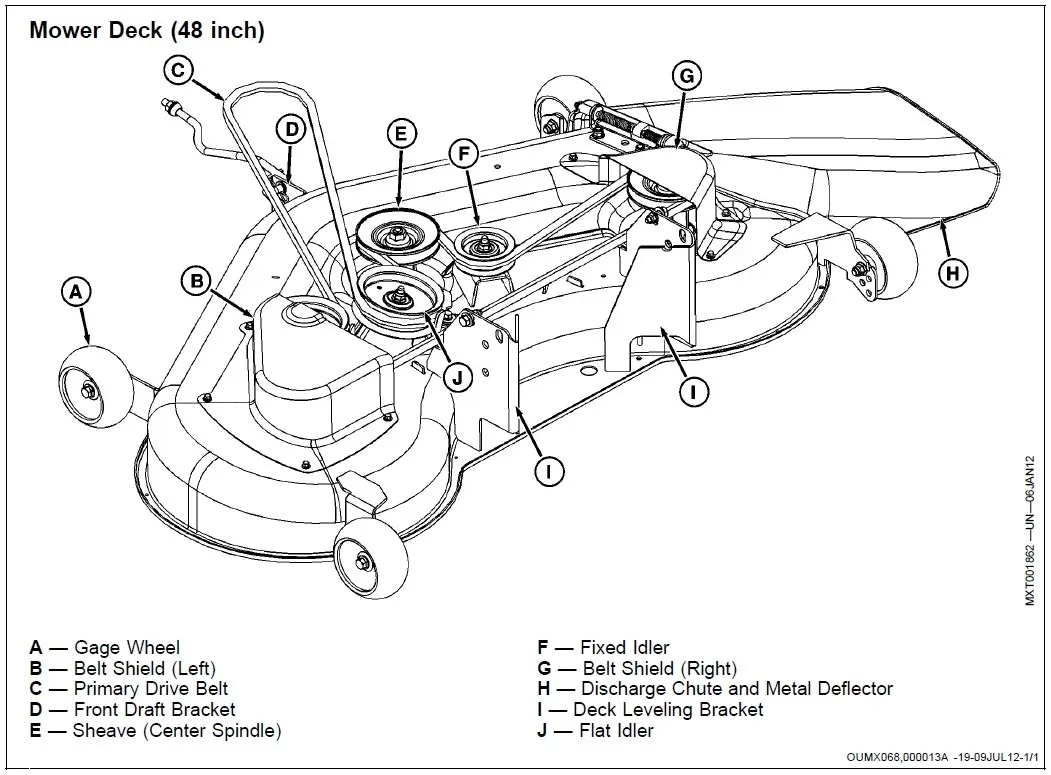
Replace the D140 deck belt by following the exact belt path shown in the diagram specific to the 48-inch mower deck. The correct routing prevents slippage, uneven cutting, and premature belt wear. Start at the PTO pulley and route the belt around the spindle pulleys and idlers, maintaining the correct tension.
The flat side of the belt should contact flat pulleys, while the V-side fits snugly into the V-grooved pulleys. Pay close attention to the spring-loaded idler; incorrect tension here often leads to blade disengagement or noise during operation.
Before installation, check the belt length: the OEM part for the D140 48” deck is GX21833 or an equivalent measuring 141.7 inches. Avoid aftermarket belts with slight length variations–they often cause tensioning issues, especially around the stationary idler arm.
Use the diagram to verify the belt doesn’t twist or rub against the deck shell. Confirm that all pulleys spin freely and that the belt sits fully in each groove. After mounting, engage the blades briefly to check alignment under load. Recheck tension after the first mowing session.
D140 Deck Belt Diagram
Install the D140 mower deck belt by following the correct routing pattern to prevent slippage or uneven cutting. The belt wraps around the engine pulley, deck spindle pulleys, and idler pulleys in a specific configuration unique to the 48-inch deck.
- Route the belt around the electric clutch pulley at the engine shaft first.
- From there, loop it around the two outer spindle pulleys located on each side of the mower deck.
- Guide the belt through the flat idler pulley and tensioner pulley, both mounted on movable brackets to maintain belt tension.
- Ensure the V-side of the belt grips the spindle pulleys and the flat side contacts the idler pulleys.
- Engage the deck lift mechanism to check pulley alignment and belt tension.
Refer to the factory sticker on the deck shell for visual guidance. If it’s missing, match the pulley layout to a verified D140 belt diagram available in the operator’s manual. Never route the belt with the engine running. Engage the parking brake and remove the key before installation.
How to Identify the Correct Belt Path on a John Deere D140 Deck
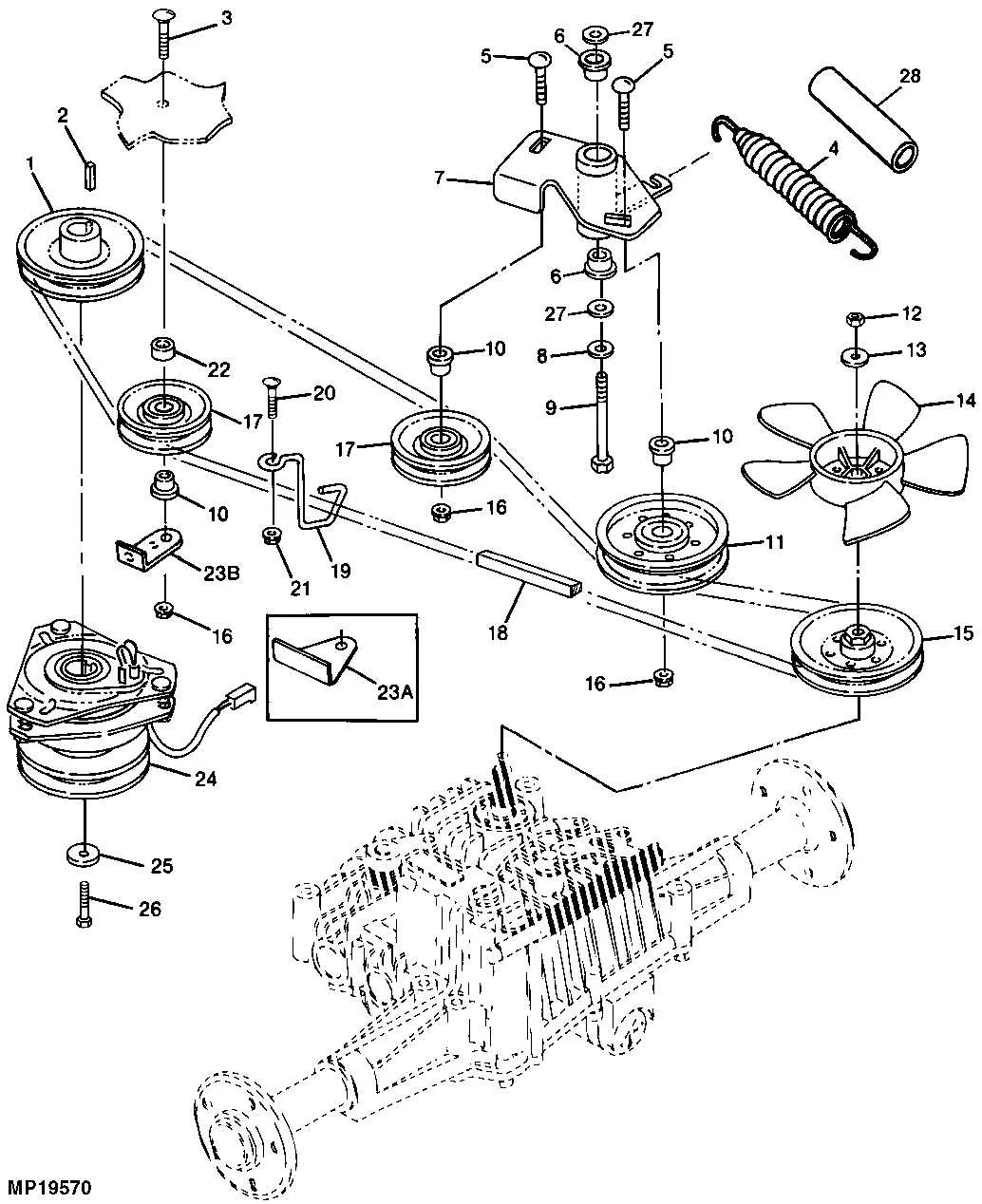
Check the underside of the mower deck for the factory-installed belt routing decal. It’s typically located near the spindle housing or on the deck guard. This diagram shows the exact path the deck belt must follow around the pulleys.
If the decal is missing or unreadable, inspect the pulley layout directly. The D140 uses a double-blade, 48-inch deck with two mandrel pulleys, an idler pulley, and a tensioner pulley. The belt wraps around both blade pulleys in a “V” pattern, loops under the flat idler, and moves through the spring-loaded tensioner. Make sure the belt’s V-side sits inside the V-groove pulleys and the flat side contacts flat pulleys only.
Route the belt clockwise, starting from the left mandrel pulley. From there, guide it to the right mandrel, then under the flat idler pulley near the deck’s front. Finish by threading it through the tensioner pulley near the rear. Engage the tension spring last to secure belt tension.
Tip: Rotate each pulley by hand after routing to verify alignment and smooth operation. Misaligned belts wear faster and may derail during use.
Steps to Remove and Replace the Mower Deck Belt on a D140
Park the D140 on a flat surface and engage the parking brake. Turn off the engine and remove the key. Disconnect the spark plug wire to prevent accidental starts.
Lower the mower deck to its lowest position using the deck lift lever. Remove the deck engagement cable spring from the idler arm using pliers. Unhook the cable bracket from the deck.
Detach the front draft rod by removing the locking pin and washer. Slide the rod out of the mounting bracket. Do the same for both rear lift links by removing their pins and washers.
Slide the mower deck out from under the tractor. With the deck removed, note the routing of the belt through the pulleys. Take a photo if needed for reference.
Release the tension from the idler pulley by moving the spring-loaded arm, then pull the belt off the pulleys. Inspect all pulleys for wear or debris before installing the new belt.
Route the new belt exactly as the old one was installed, ensuring it sits properly in the pulley grooves. Reapply tension using the idler arm. Double-check alignment across all pulleys.
Slide the deck back under the tractor. Reconnect the front draft rod and rear lift links with their pins and washers. Reattach the deck engagement cable and spring.
Raise and lower the deck to confirm smooth movement. Reconnect the spark plug wire, start the engine, and engage the mower blades briefly to ensure the belt tracks correctly.
Common Misalignments and Tension Issues in D140 Deck Belt Installation
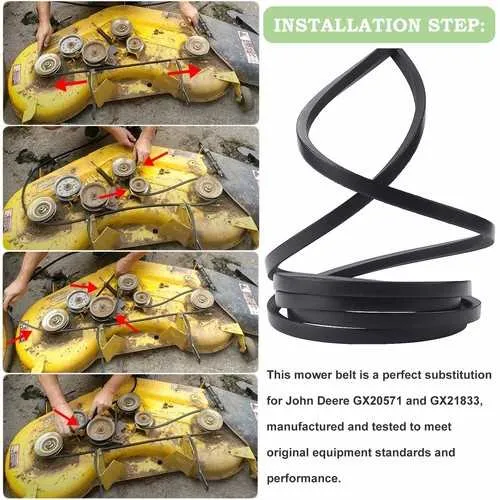
Ensure the belt runs directly through all pulleys without deviation. A common misalignment occurs when the belt slips off the spindle or idler pulley due to incorrect routing. Always refer to the correct belt path diagram before securing the belt.
Check that both mandrel pulleys are aligned. Uneven mounting brackets or worn bearings can tilt a pulley, forcing the belt to ride improperly and wear unevenly. Use a straightedge to verify alignment across all pulley faces.
Over-tensioning the belt strains the spindle bearings and can snap the belt under load. Under-tensioning causes slipping, heat buildup, and premature belt failure. After installation, apply moderate downward pressure mid-span and verify 1/2 inch of flex. Use the factory-specified spring tensioner and ensure it moves freely without obstruction.
Inspect the tensioner arm pivot. If seized or rusted, it will hold the belt too tight or too loose. Apply penetrating oil and work the arm manually until full motion returns. Replace the torsion spring if it’s weakened or stretched.
Make sure the belt is not twisted during installation. A single 180-degree twist shortens belt life and causes uneven deck cutting. Lay the belt flat on a clean surface before routing to verify its shape.
Replace any damaged or uneven pulleys. A grooved or warped pulley surface will shred the belt edges. Spin each pulley by hand and listen for noise or resistance. Any wobble should be addressed before running the mower.