Complete 2016 Ram 1500 Belt Diagram Guide for Accurate Routing and Maintenance
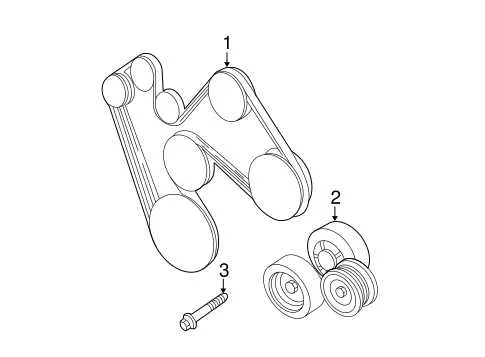
Check the serpentine belt routing immediately when performing maintenance on a 2016 Ram 1500 to avoid misalignment and premature wear. The belt connects the alternator, water pump, power steering pump, and A/C compressor, ensuring all engine accessories operate correctly.
Use the factory belt diagram to identify each pulley location and the proper path of the serpentine belt. Pay close attention to the tensioner placement; improper tension can cause squealing, slipping, or even belt damage. Confirm pulley orientation before installing a new belt to prevent operational issues.
Inspect the belt for visible cracks, fraying, or glazing while referencing the diagram. Replace worn belts promptly to maintain engine performance. Accurate routing based on the 2016 Ram 1500 belt diagram reduces the risk of accessory failure and keeps the engine running smoothly.
2016 Ram 1500 Belt Diagram Practical Guide for Accurate Routing and Maintenance
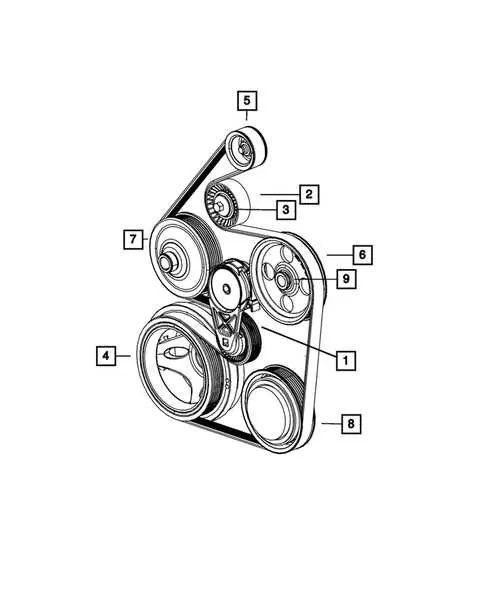
Refer to the official belt diagram for the 2016 Ram 1500 before removing the serpentine belt. Confirm engine type–V6 or V8–as routing differs between configurations.
Release tension using a wrench on the automatic tensioner, turning it clockwise to loosen the belt. Slide the belt off pulleys carefully, avoiding damage to the alternator and AC compressor components.
Inspect all pulleys for wear, misalignment, or damage. Check for cracks, fraying, or glazing on the belt surface. Replace any pulley showing uneven rotation or excessive noise.
Route the new belt according to the diagram, ensuring it sits fully in pulley grooves. Verify proper alignment with all accessories: alternator, power steering pump, AC compressor, and crankshaft pulley.
Apply tension by releasing the tensioner slowly, confirming the belt maintains consistent contact on all pulleys. Rotate the engine manually two full revolutions to seat the belt and check for proper tracking.
Perform a final inspection with the engine running at idle. Listen for squealing or vibration, and adjust tension or alignment if necessary. Maintain a record of belt replacement intervals for future reference.
Identifying All Serpentine Belt Pulleys on 2016 Ram 1500
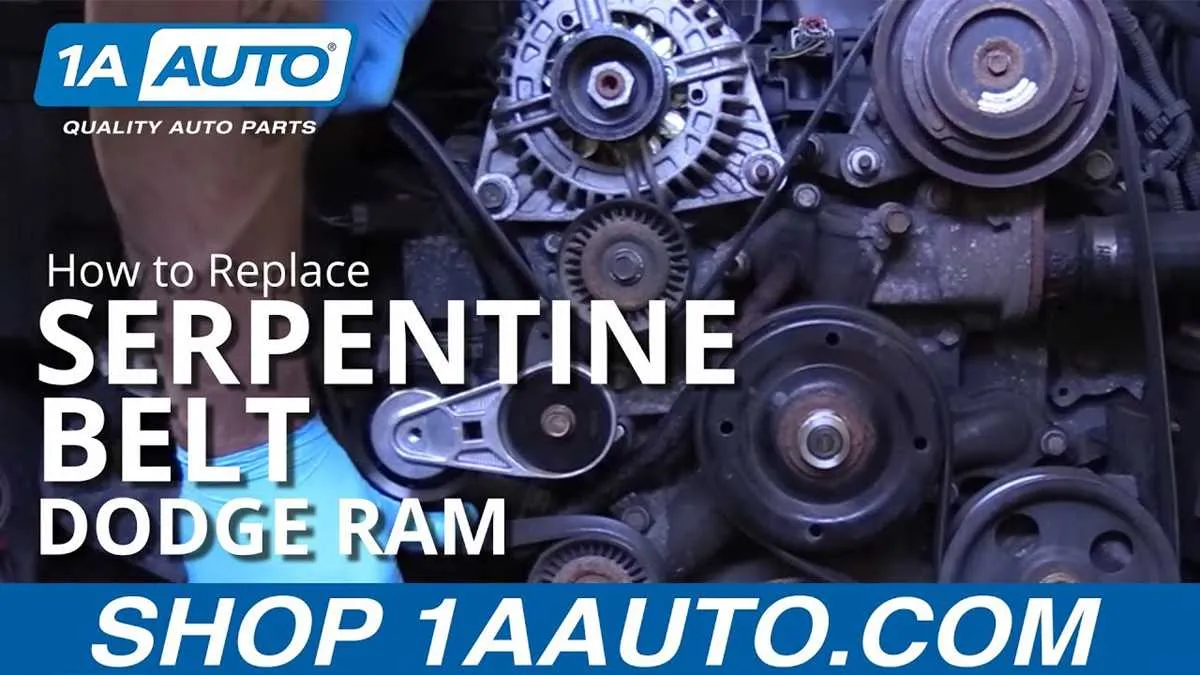
Locate the crankshaft pulley at the lower center of the engine; it drives the entire serpentine system. Check the alternator pulley on the upper passenger side, ensuring its grooves match the belt. Identify the power steering pump pulley on the driver side, typically positioned near the top, aligned with the tensioner pulley. Spot the air conditioning compressor pulley on the lower passenger side, confirming its rotation direction matches the belt path. Find the idler pulley near the center of the engine bay; it guides the belt over other components and maintains tension. Examine the tensioner pulley mounted on a spring-loaded arm; use a wrench to relieve tension and verify proper alignment before removing or routing the belt.
Confirm each pulley is clean, free of damage, and rotates smoothly to prevent belt slippage. Trace the belt path along each pulley to ensure correct routing: crankshaft to idler, then to alternator, power steering, tensioner, and air conditioning compressor. Double-check that the belt fits securely in all pulley grooves without twisting. Maintain a reference image or the belt diagram for accurate installation during maintenance or replacement.
Step-by-Step Instructions for Replacing the Serpentine Belt on 2016 Ram 1500
Secure the vehicle: Engage the parking brake and disconnect the negative battery terminal to prevent accidental electrical contact.
Locate the serpentine belt: Open the hood and identify the belt routing diagram, usually found on a decal near the radiator or on the underside of the hood. Confirm the path around all pulleys including the crankshaft, alternator, power steering pump, and tensioner.
Release belt tension: Use a wrench or serpentine belt tool on the tensioner pulley. Rotate the tensioner clockwise to relieve tension and slide the belt off the pulleys. Keep control of the tensioner spring to avoid sudden movement.
Inspect pulleys and components: Check the tensioner, idler pulleys, and all accessory pulleys for wear, noise, or misalignment. Replace any worn components before installing the new belt.
Install the new belt: Position the new serpentine belt according to the diagram, starting with the crankshaft pulley and routing around each accessory in order. Ensure the belt sits fully in the grooves of every pulley without twisting.
Apply tension: Rotate the tensioner pulley again and slip the belt over it. Slowly release the tensioner, making sure the belt maintains proper alignment on all pulleys.
Double-check alignment: Verify the belt is correctly seated on each pulley and follows the exact path shown in the diagram. Misalignment can cause squealing or premature wear.
Reconnect the battery and test: Reconnect the negative battery terminal. Start the engine and observe the belt movement for smooth operation. Listen for unusual noises indicating improper installation or pulley issues.
Common Belt Wear Issues and Inspection Techniques
Inspect the serpentine belt on your 2016 Ram 1500 regularly to prevent failures and maintain performance. Focus on visible signs of wear and mechanical integrity.
- Cracks and Fraying: Check the ribbed side of the belt for small cracks, splitting, or fraying along the edges. Any signs indicate the belt may need replacement within a short period.
- Glazing: A shiny or glazed surface suggests slippage or overheating. This reduces grip on pulleys, potentially causing squealing or reduced accessory performance.
- Missing Chunks or Pieces: Examine the belt for sections of rubber that have worn away. Missing pieces compromise tension and alignment, leading to premature pulley wear.
- Uneven Wear: Inspect the belt across its entire width. Uneven wear patterns often indicate misaligned pulleys, defective tensioners, or worn bearings that should be addressed promptly.
- Noise Indicators: Listen for squealing, chirping, or rattling while the engine runs. Persistent noise often signals belt slippage, contamination, or tensioner problems.
Follow these inspection techniques for precise evaluation:
- Visual Check: Use a flashlight to inspect all sides of the belt. Rotate the engine slowly if necessary to view the entire loop.
- Manual Tension Test: Apply moderate pressure at the longest span between pulleys. Excessive deflection or looseness indicates worn tensioners or belt stretching.
- Pulley Alignment: Observe each pulley from multiple angles to detect misalignment. Misaligned pulleys accelerate belt wear.
- Surface Feel: Run your fingers along the ribs of the belt. Rough, hardened, or slick areas highlight deterioration.
- Check Accessories: Inspect alternator, power steering, and A/C pulleys for smooth rotation. Binding or wobbling increases belt stress and reduces lifespan.
Replace the belt at the first sign of significant wear or any structural damage. Regular inspections every 15,000 miles ensure the serpentine system on the 2016 Ram 1500 stays reliable and maintains consistent performance.