Mercedes Benz Engine Serpentine Belt Routing Diagram and Guide
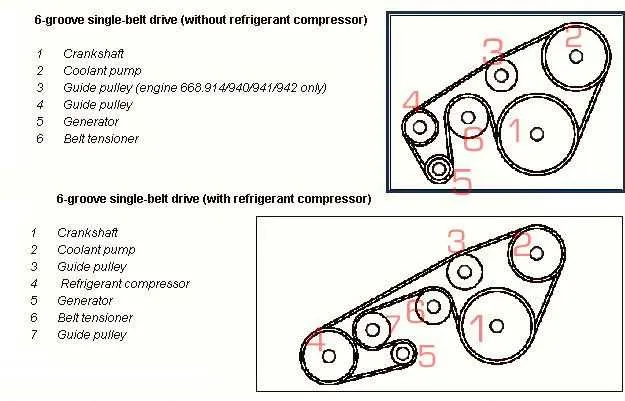
If you need a clear and precise serpentine belt diagram for your Mercedes Benz engine, start by locating the vehicle’s engine model and production year. This information ensures that you get the correct configuration for the belt routing. Mercedes Benz engines typically use a single serpentine belt to power multiple accessories, including the alternator, power steering pump, water pump, and air conditioning compressor.
The diagram for each engine variant may vary, so check for a tag or sticker near the engine bay that shows the specific routing for your model. For instance, newer models often have diagrams directly on the radiator support or near the engine cover. If the diagram is missing, referring to the owner’s manual or repair guides can also help pinpoint the right belt setup for your engine.
Key points to remember: The belt must be routed around the pulleys in a specific order to ensure proper tension and prevent slippage. Regular inspection of the serpentine belt is crucial for signs of wear, cracking, or fraying, which can lead to engine component failure. Replacing the serpentine belt at recommended intervals will keep all connected systems running smoothly.
Tip: Always use the correct size and type of serpentine belt specified by Mercedes Benz for your model. Using an incorrect belt could cause damage to the engine components or decrease the overall performance of the vehicle.
Mercedes Benz Engine Serpentine Belt Diagram
The serpentine belt in a Mercedes Benz engine powers multiple components, including the alternator, air conditioning compressor, power steering pump, and water pump. A well-maintained serpentine belt ensures smooth engine operation and prevents potential damage to vital systems. Below is the basic layout for the serpentine belt in most Mercedes Benz models.
Start by locating the tensioner pulley, which is responsible for maintaining the correct belt tension. The belt typically follows a specific path across the various pulleys: it loops around the crankshaft pulley, moves over the alternator, passes through the power steering pump, and continues to the air conditioning compressor. In some models, it also runs across a water pump pulley or other auxiliary components, depending on the vehicle’s configuration.
Always refer to the specific diagram for your Mercedes Benz model, as belt routes can vary between different engines, such as the M272, OM642, and others. The diagram is usually found on a sticker near the engine bay, often on the radiator support or the underside of the hood.
If you’re replacing the serpentine belt, ensure that the belt matches the correct length and width for your vehicle. Incorrectly sized belts can cause premature wear or slippage, leading to system failures. Use a proper tension gauge when installing the new belt to avoid overtensioning or under-tensioning, both of which can lead to problems.
Regular inspection of the serpentine belt for cracks, wear, or fraying is important. If you hear squealing noises or notice power loss in any auxiliary systems, it may be time for a replacement. Pay attention to any signs of misalignment in the pulleys as well, which can indicate an issue with one of the components, such as the tensioner or idler pulley.
How to Identify the Serpentine Belt Routing on Mercedes Benz Engines
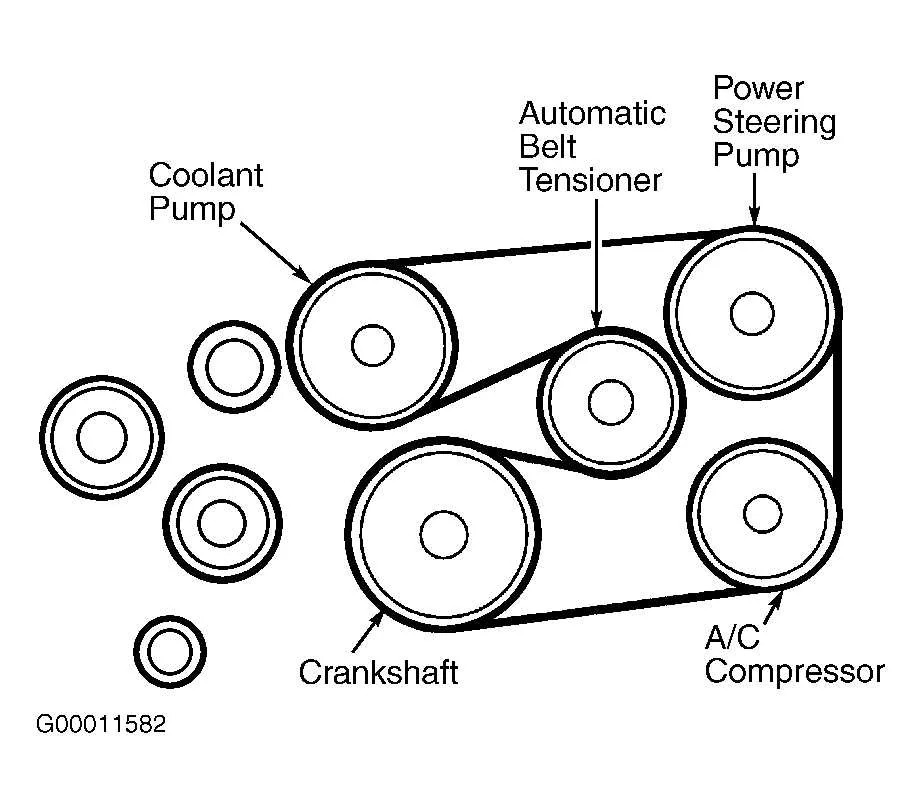
To identify the serpentine belt routing on a Mercedes Benz engine, start by locating the belt routing diagram. This diagram is typically found on a sticker or metal plate near the engine bay, often on the radiator support or under the hood. It visually shows how the belt should be positioned around various pulleys.
Next, inspect the components the serpentine belt interacts with, including the alternator, power steering pump, air conditioning compressor, water pump, and crankshaft pulley. Each component must align with the routing diagram, ensuring the belt runs smoothly over all pulleys and tensioners without any slack.
If the diagram is missing or unclear, you can refer to the service manual for your specific Mercedes Benz model. The manual provides detailed diagrams, including pulley arrangement and belt tension specifications.
For added accuracy, you can also look at online resources or Mercedes Benz forums where enthusiasts and mechanics often share detailed information on serpentine belt routing for different engine types.
Ensure the belt is in good condition before re-routing. A worn or cracked serpentine belt can cause improper routing, leading to belt slippage or even failure. If needed, replace the belt with one of the same specifications to maintain proper function.
Lastly, after routing the belt, manually rotate the engine by hand and observe the belt’s movement. This check helps confirm if the belt is aligned correctly and runs freely without any obstruction or misalignment.
Common Issues with the Serpentine Belt and How to Fix Them
If your serpentine belt is squealing, slipping, or showing visible signs of wear, it’s time to act. These problems can quickly lead to more serious engine issues. Regular checks and prompt repairs can save you from costly repairs later on.
One of the most common issues is belt wear. Over time, the serpentine belt can lose its grip due to friction, exposure to heat, and the natural aging process. If the belt appears cracked or frayed, replace it immediately. A worn belt may fail to properly drive the accessories, resulting in engine performance problems.
Another frequent issue is belt slipping. If you notice that your air conditioning, power steering, or alternator stops working intermittently, the belt might be slipping. This could be due to misalignment or incorrect tension. To fix this, check the belt’s tension and adjust it if necessary. If the alignment is off, the pulley system might need recalibration or replacement.
Noise from the belt is also a red flag. A high-pitched squeal often indicates that the belt is too tight, while a low, grinding noise may point to a worn-out pulley. Tightening the belt or replacing the faulty pulley should resolve this. Always inspect the pulleys for damage, rust, or debris before replacing the belt.
If you notice a sudden loss of power steering or an overheating engine, the serpentine belt could be slipping or broken. A broken belt will immediately cause a loss of function in the affected systems. Replacing the belt is necessary, and if the belt broke due to tension issues, ensure that the tensioner is in good working condition.
Lastly, ensure proper maintenance by replacing the serpentine belt according to the manufacturer’s recommended interval, which is typically every 60,000 to 100,000 miles. Regular inspection of the belt and pulleys during routine maintenance will help prevent most common problems.
Tools Required for Replacing the Serpentine Belt on Mercedes Benz
To replace the serpentine belt on a Mercedes Benz, gather the following tools:
- Socket Wrench Set: A set of socket wrenches with different sizes, especially a 3/8-inch drive, will allow you to access and loosen various bolts around the engine.
- Serpentine Belt Tool: This tool is specifically designed to release tension from the serpentine belt, making it easier to remove. It can also help reinstall the belt with the proper tension.
- Torque Wrench: A torque wrench will ensure that bolts are tightened to the manufacturer’s recommended specifications after replacing the belt.
- Ratchet and Extension: A ratchet combined with an extension bar allows better access to tight areas, especially in crowded engine bays.
- Flathead Screwdriver: A flathead screwdriver might be necessary to pry off plastic covers or gently move components out of the way during the replacement process.
- Pry Bar: A small pry bar can be useful in removing old, stiff serpentine belts, especially if the belt has become worn and brittle.
- Gloves: Work gloves will protect your hands from sharp edges around engine components while providing a better grip during the procedure.
Before starting the replacement, ensure all tools are within reach and that the vehicle is securely lifted, if necessary. Follow the vehicle’s service manual for any specific tool recommendations based on your model.