Complete 7.3 Powerstroke Serpentine Belt Diagram for Easy Identification and Replacement
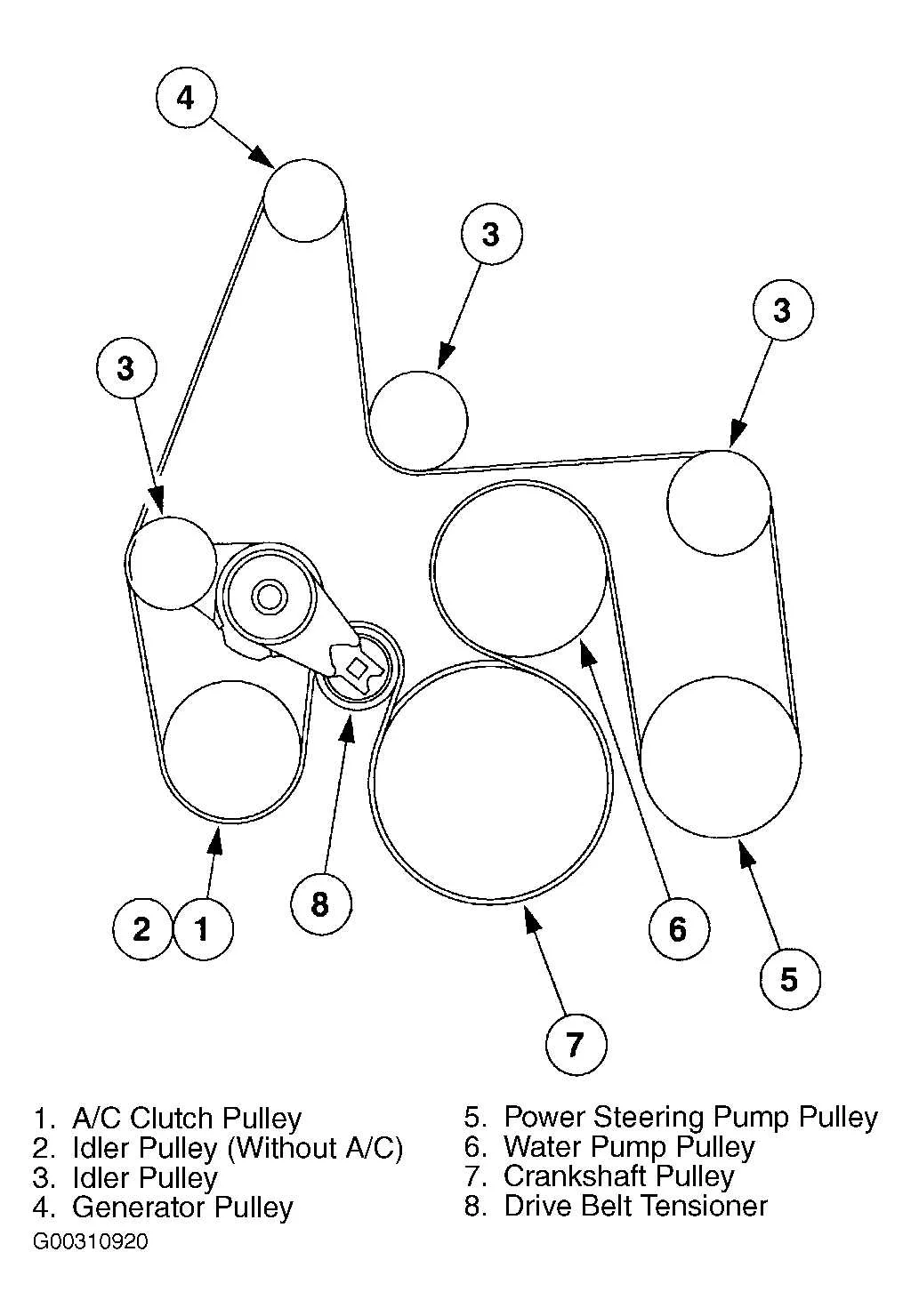
Locate the serpentine belt routing for the 7.3 Powerstroke engine precisely to avoid installation errors and ensure optimal engine performance. The belt wraps around the crankshaft pulley, alternator, water pump, power steering pump, and air conditioning compressor in a specific pattern that maintains proper tension and alignment.
Use the diagram to identify each pulley’s position clearly, preventing misrouting that could cause premature belt wear or accessory malfunction. Check the tensioner placement, as it regulates belt tightness and prolongs component life.
Replacing the serpentine belt becomes straightforward with the correct visual guide. Follow the path shown in the diagram, match pulley sizes and positions, and verify the belt’s direction to maintain proper operation of your 7.3 Powerstroke engine accessories.
Powerstroke Serpentine Belt Diagram
The serpentine belt on a 7.3 Powerstroke engine runs multiple accessories including the alternator, power steering pump, water pump, and air conditioning compressor. Position the belt so it follows the pulley layout exactly to ensure proper tension and function.
The typical routing starts at the crankshaft pulley, then moves upward to the water pump, across to the alternator, down to the power steering pump, and finally wraps around the tensioner pulley before returning to the crankshaft. Each pulley must engage the belt grooves correctly without slipping.
Locate the belt tensioner on the front right side of the engine. Use a wrench or serpentine belt tool to relieve tension by rotating the tensioner clockwise. This allows easy removal or installation of the belt. Always check the tensioner’s condition–weak springs cause belt slippage and premature wear.
Inspect pulleys for alignment and damage before fitting the new belt. Misaligned pulleys can cause noise and uneven belt wear. Replace any worn or cracked components to maintain smooth operation. Verify belt length matches factory specifications; an incorrect size disrupts accessory function.
Confirm belt routing by consulting the engine decal, often located near the radiator support or under the hood. If the decal is missing, refer to the factory service manual for an accurate diagram. Correct installation prevents overheating, battery drainage, and steering issues linked to belt failure.
After installation, run the engine briefly to ensure the belt runs smoothly without slipping or noise. Recheck tension and pulley alignment for optimal performance and longevity.
Locating Key Components on the 7.3 Powerstroke Serpentine Belt
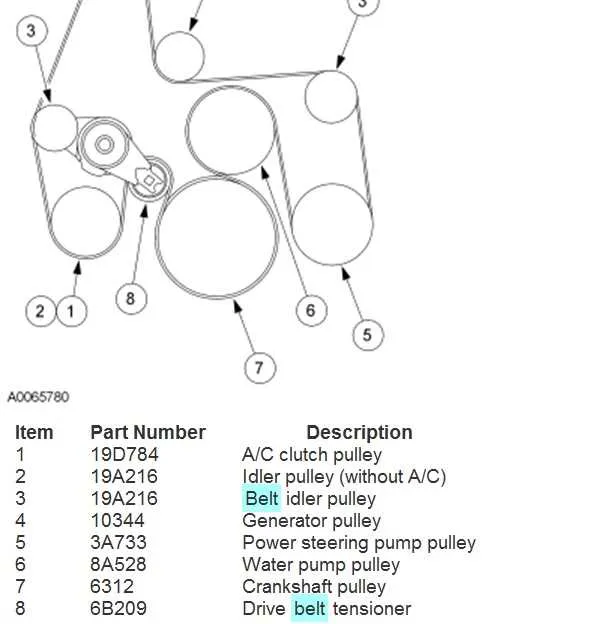
Find the serpentine belt routing diagram near the radiator support or inside the engine compartment for a clear layout. The belt drives several critical parts: the alternator, power steering pump, air conditioning compressor, water pump, and the crankshaft pulley.
Start by identifying the crankshaft pulley at the bottom center of the engine–it powers the entire belt system. Above and to the passenger side, locate the alternator; it typically has a wire connector and pulley. The power steering pump sits near the front driver’s side, recognizable by its reservoir and pulley.
Spot the air conditioning compressor on the passenger side, usually with a clutch pulley. The water pump is often behind the crankshaft pulley, making it less visible but crucial as it circulates coolant.
Use the belt tensioner to maintain proper belt tension. It’s near the alternator or power steering pump and can be adjusted with a wrench to relieve tension when replacing the belt. Following the exact routing ensures the belt runs smoothly over all pulleys without slipping or misalignment.
Keep the diagram handy during inspection or replacement to verify every component’s position and belt path. This approach minimizes errors and ensures reliable engine operation.
Step-by-Step Guide to Routing the Serpentine Belt Correctly
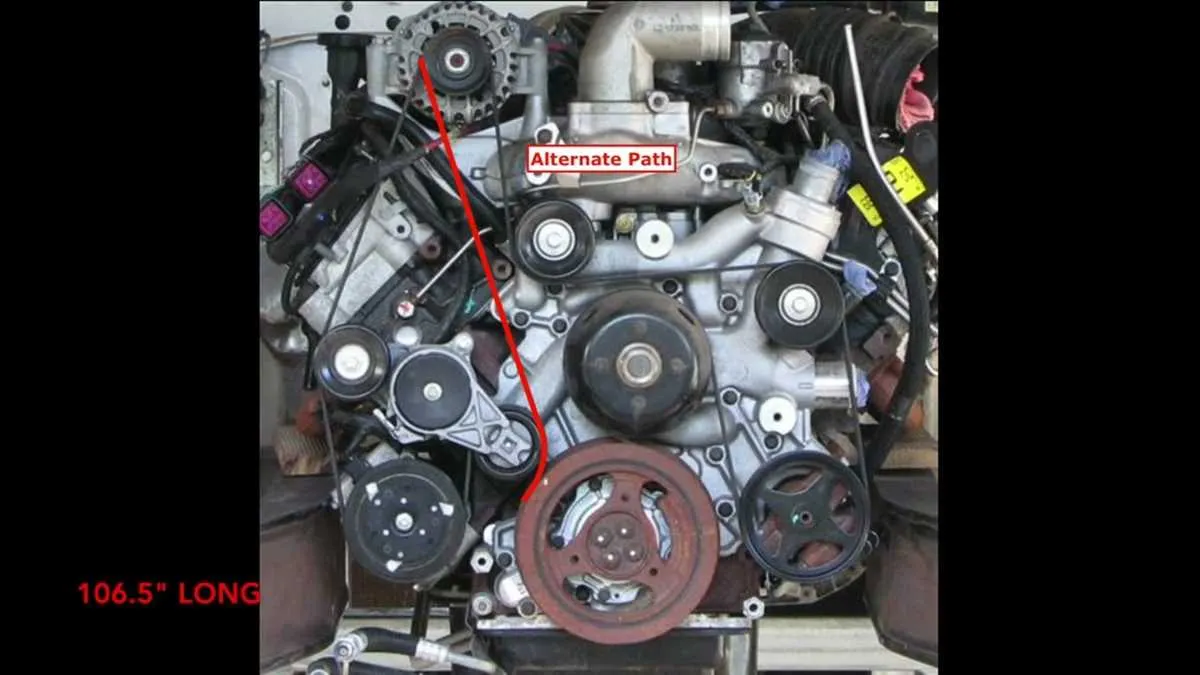
Begin by disconnecting the negative battery cable to avoid accidental starts. Locate the belt routing diagram on the fan shroud or refer to your service manual for the correct path. If no diagram is available, follow this guide specific to the 7.3 Powerstroke layout.
- Wrap the belt around the crankshaft pulley at the bottom center. This pulley drives all other accessories.
- Route the belt up and to the passenger side over the A/C compressor.
- Bring the belt back down and under the belt tensioner. Make sure the belt fits smoothly under the pulley.
- Continue routing it up and over the alternator, which sits near the top center of the engine.
- Wrap it under the idler pulley located to the driver’s side of the alternator.
- Next, run the belt down and over the power steering pump located on the lower driver’s side.
- Finish by routing the belt under the water pump pulley, then return to the crankshaft pulley to complete the loop.
Use a 1/2-inch breaker bar or serpentine belt tool to rotate the tensioner clockwise and slide the belt into place. Ensure all ribs are aligned properly in the grooves. Rotate the engine manually with a socket on the crankshaft to double-check alignment before reconnecting the battery.
Troubleshooting Common Serpentine Belt Issues on the 7.3 Powerstroke
Check belt alignment first. A misaligned tensioner or pulley often causes squealing or accelerated wear. Use a straight edge to verify the pulleys sit in the same plane. Replace any bent brackets or worn tensioner components.
If the belt slips during acceleration or when turning on accessories, inspect the automatic tensioner. A weak spring won’t maintain proper tension under load. The correct tensioner for the 7.3 Powerstroke should apply firm pressure with no slack at rest.
Cracks across the ribs or frayed edges mean the belt is aged or installed incorrectly. Avoid belts that don’t match the factory length (usually around 112.6 inches for single alternator setups). Using a longer or shorter belt can affect tension and lead to premature failure.
Listen for chirping sounds at startup. This often points to a glazed belt or contaminated pulley surface. Clean all pulley grooves with brake cleaner and a nylon brush before installing a new belt. Avoid touching the new belt with oily hands.
If the belt walks off the pulleys, inspect the harmonic balancer. On the 7.3 Powerstroke, a failing balancer can wobble and cause misalignment. Look for runout while the engine idles and replace the balancer if it shows visible movement.
Replace idler pulleys that spin freely without resistance or produce grinding sounds. These bearings should feel smooth and resist spinning excessively. Use OEM-spec pulleys with the correct diameter to maintain belt routing and tension geometry.
After installing a new belt, run the engine for a few minutes, shut it off, and recheck alignment and tension. A properly functioning system should run quietly with no visible wobble or belt flutter.